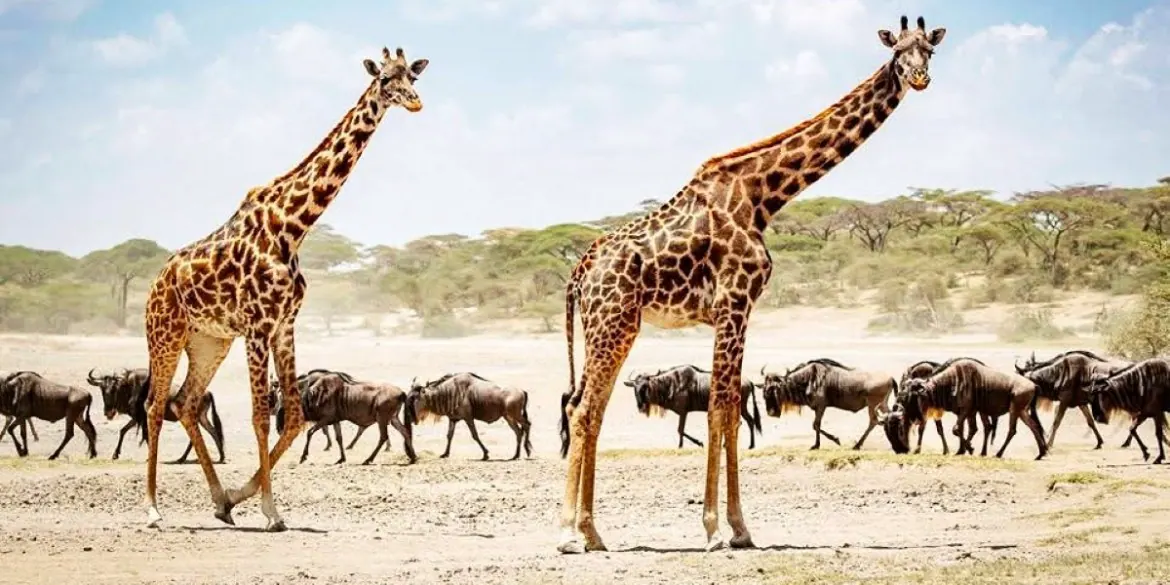
A recent report by the Worldwide Fund for Nature (WWF) has revealed a stark 73 percent decline in the average size of monitored wildlife populations over a 52-year period. The Living Planet Index (LPI), produced by the Zoological Society of London (ZSL), analyzed 35,803 population trends of 5,790 vertebrate species from 1970 to 2022. This report highlights the urgent need for conservation efforts to protect biodiversity. The decline in wildlife populations is a pressing concern for countries like Tanzania, which is home to a diverse range of species.
The report notes that freshwater ecosystems have experienced the strongest decline, with a staggering 85 percent decrease in wildlife populations. Terrestrial ecosystems have declined by 69 percent, while marine ecosystems have seen a 59 percent decline. Habitat loss and degradation are the most frequently reported threats affecting monitored wildlife populations, followed by overexploitation, climate change, pollution, invasive species, and disease. These threats are driven by broader systemic failures across the food, energy, and finance systems. In Tanzania, conservation efforts are underway to protect its rich biodiversity.
Despite the overall negative trend, the report highlights that half of the populations included in the LPI are stable or increasing. There are also inspiring stories of recoveries in populations of green turtles, bluefin tuna, tigers, and southern African elephants, demonstrating that targeted conservation interventions can deliver proven results. Dr. Kirsten Schuijt, Director General of WWF International, emphasized that while biodiversity continues to be degraded at an alarming pace, there are grounds for hope. The report shows that nature can rebound and change is possible with concerted conservation efforts.
The report identifies three systems that are primarily driving the destruction of nature: the food system, the energy system, and the finance system. The food system is the leading cause of habitat loss, the energy system fuels climate change, while the finance system bankrolls harmful activities. To reverse the decline in wildlife populations, it is essential to transform these systems and trigger positive tipping points. The report suggests that a positive tipping point has been passed in the energy sector, with solar power now the cheapest source of new electricity generation in most countries.
The WWF report emphasizes that achieving the 2030 biodiversity targets, including halting and reversing biodiversity loss, will require faster implementation, greater investment, stronger political leadership, and deeper action across the whole economy and society. The report also highlights the need for a fair and inclusive transition to a more sustainable world. Daudi Sumba, Chief Conservation Officer at WWF International, stressed that transforming complex systems at the speed and scale required won’t be easy, but by triggering positive tipping points, it can happen quicker than we might think.
Dr. Andrew Terry, Chief Conservation Officer at ZSL, emphasized that abundant wildlife populations and the intricate web of interactions between them underpin healthy ecosystems that allow us all to thrive. He added that there is no workaround for this; human wellbeing and economic security depend on working with nature, rather than against it. The report shows that the consequences of neglecting nature are severe, but change is possible with collective action and a commitment to conservation.
The Living Planet Report 2026 highlights the urgent need for governments, industries, and individuals to work together to protect biodiversity and promote sustainable development. With UN conferences on biodiversity and climate taking place in the next two months, governments have a vital opportunity to accelerate the move from ambition to implementation. By working together, we can restore our living planet and build a more sustainable, equitable, and resilient world for future generations.
Key points
- Global wildlife populations have declined by 73 percent over the past 50 years, with freshwater species experiencing the most significant decline.
- Habitat loss and degradation are the most frequently reported threats affecting monitored wildlife populations.
- Transforming the food, energy, and finance systems is crucial to reversing the decline in wildlife populations and promoting sustainable development.