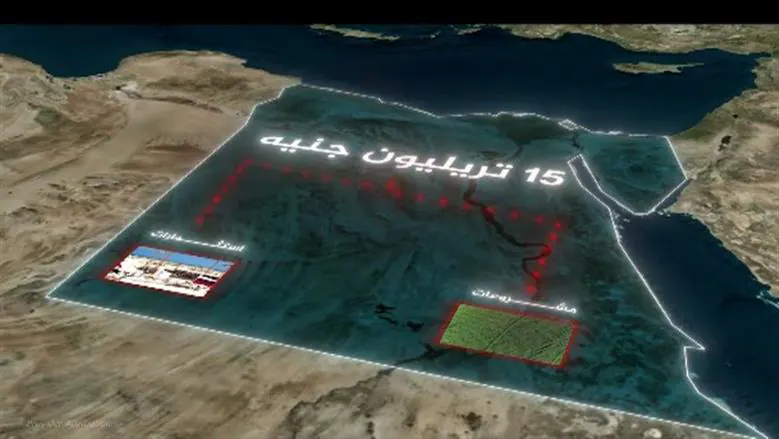
Egypt has made significant strides in its development journey over the past 12 years, with the government investing over 15 trillion EGP in various projects aimed at improving infrastructure, supporting economic growth, and enhancing the quality of life for its citizens. These projects have spanned multiple sectors, including energy, transportation, housing, water resources, agriculture, and environment. The investments have been channeled into initiatives that aim to modernize the country's infrastructure, boost economic growth, and provide better services to the population.
A significant portion of the investments, 4 trillion EGP, has been allocated to the energy sector, specifically in oil and electricity. This has led to a substantial increase in electricity generation capacity, rising from 32,000 megawatts to over 60,000 megawatts. The expansion of electricity generation and distribution has been crucial in supporting economic activities and improving living standards. The energy sector's growth has also been driven by efforts to increase the use of renewable energy sources and enhance energy efficiency.
The transportation sector has also received substantial investments, with 2.7 trillion EGP allocated to develop the country's road network and public transportation systems. This has involved the construction of thousands of kilometers of roads, bridges, and tunnels, as well as the development of metro, light rail, and monorail systems. These projects aim to improve connectivity, reduce congestion, and promote more efficient transportation across the country.
In the housing sector, the government has implemented projects to build nearly 1.8 million housing units and develop over 40 new cities. These initiatives are part of a broader strategy to address housing needs, provide affordable housing options, and create sustainable urban communities. The development of new cities is also aimed at reducing the pressure on existing urban centers and promoting balanced regional growth.
The government's investments in water resources and agricultural expansion have also been significant. These projects aim to enhance the country's water security, improve irrigation systems, and increase agricultural productivity. By investing in these sectors, the government seeks to promote food security, support rural development, and create new economic opportunities.
The development drive has also focused on supporting small and medium-sized enterprises (SMEs) and entrepreneurship. By providing access to finance, training, and markets, the government aims to foster innovation, create jobs, and stimulate economic growth. The investments in SMEs are expected to have a positive impact on the overall economy, contributing to poverty reduction and improved living standards.
As Egypt continues its development journey, the government remains committed to implementing projects that drive growth, improve services, and enhance the quality of life for its citizens. With a focus on sustainable development, the government aims to create a more prosperous and equitable society, where all Egyptians can benefit from the country's progress and development. The progress made over the past 12 years serves as a foundation for future growth, and the government is poised to build on these achievements in the years to come.
Key points
- Egypt has invested over 15 trillion EGP in development projects across multiple sectors over the past 12 years.
- The energy sector has received 4 trillion EGP in investments, leading to a significant increase in electricity generation capacity.
- The government has implemented projects to build nearly 1.8 million housing units and develop over 40 new cities as part of its housing and urban development strategy.