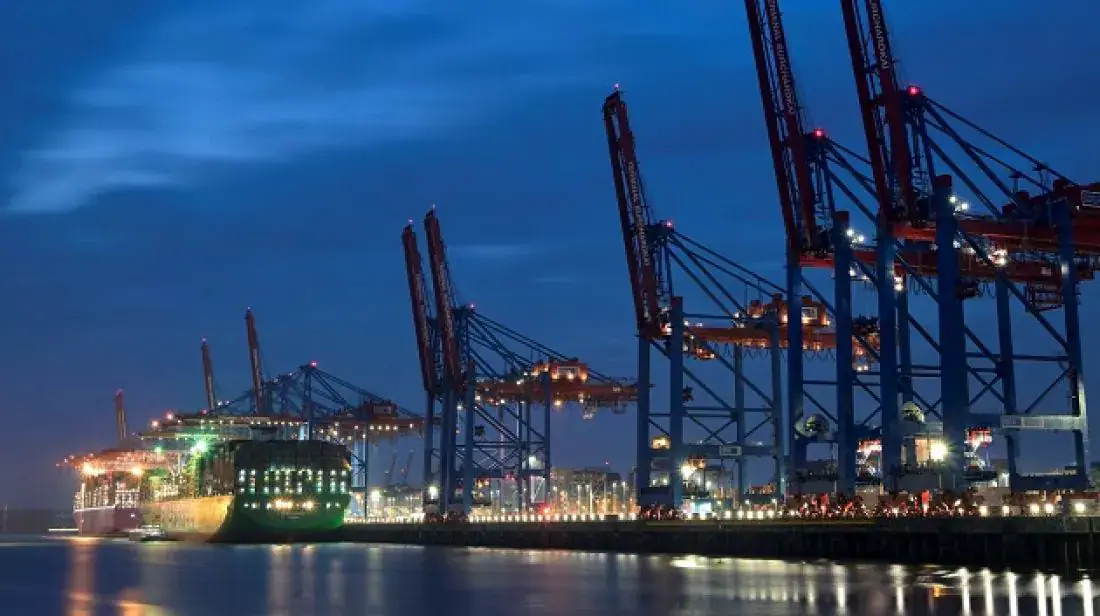
A wave of strikes has swept across European ports, with workers in 22 countries participating in a coordinated action. The strike, which began on Friday, is aimed at protesting ongoing wars and the use of ports to export arms. According to organizers, the strike could disrupt over 40% of shipping in the Mediterranean and impact cargo worth over $2 billion. The action is backed by over 25 unions representing workers in 113 ports.
The strike, initially called by port workers' unions in Italy, France, Greece, the Spanish Basque region, Turkey, and Morocco, has now gained support from a wider coalition of unions. Key ports affected by the strike include Hamburg, Valencia, Le Havre, Green Island, Piraeus, and Genoa. In addition to European ports, the strike also impacts ports in Morocco and India, such as the Tanger Med port in Morocco and the Nhava Sheva port in India.
The strikers are demanding an end to the transportation of arms and military equipment, as well as an end to wars in the Middle East, including the conflict in the Gaza Strip. In addition to these demands, workers are also seeking improved wages, working conditions, and enhanced safety measures. The strike is seen as a major show of solidarity among port workers across Europe and beyond.
The impact of the strike is expected to be significant, with many major shipping routes and supply chains affected. The Mediterranean region, in particular, is likely to experience significant disruptions, with over 40% of shipping potentially impacted. The strike is also likely to have economic implications, with cargo worth over $2 billion potentially delayed or disrupted.
The strike has been organized by a coalition of unions representing port workers across Europe and beyond. The unions involved in the strike are seeking to draw attention to the role of ports in the global arms trade and to push for greater accountability and transparency. By targeting key ports and shipping routes, the strikers aim to maximize the impact of their action.
The strike is part of a broader movement among workers to push for greater social and economic justice. In recent years, there has been growing concern about the impact of globalization and the role of ports in the global economy. The strike is seen as a key moment in this movement, with workers seeking to assert their rights and push for change.
As the strike continues, its impact is likely to be felt across the global economy. The disruption to shipping and supply chains could have significant economic implications, with many industries and businesses potentially affected. The strike is also likely to draw attention to the role of ports in the global arms trade and to push for greater accountability and transparency.
Key points
- Workers in 22 countries are striking over wars, arms exports, and labor conditions.
- The strike could disrupt over 40% of shipping in the Mediterranean and impact cargo worth over $2 billion.
- The strikers are demanding an end to the transportation of arms and military equipment, as well as improved wages, working conditions, and enhanced safety measures.