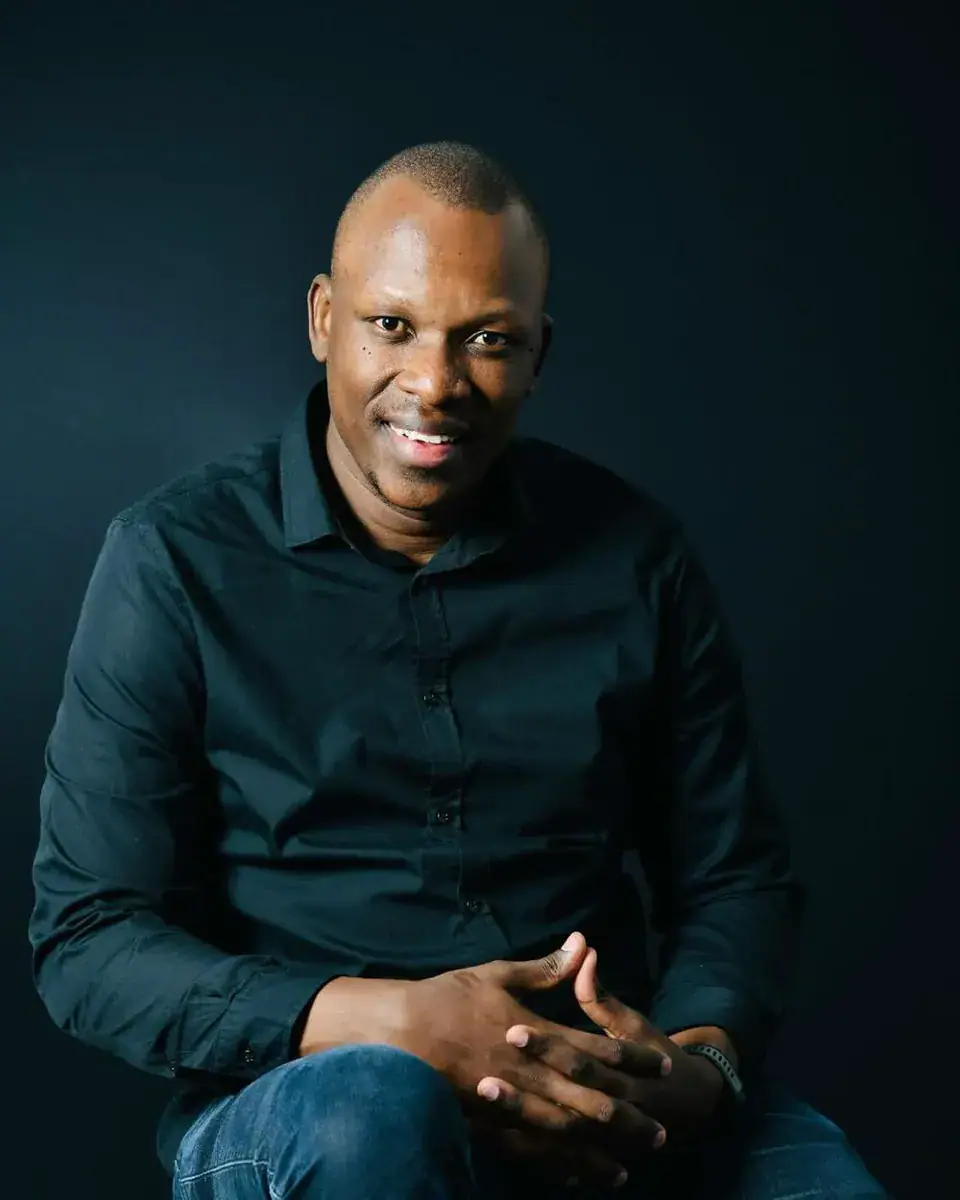
As South Africa prepares for its upcoming elections, Associate Professor Tshepo Lephakga, Chair of the Department of Philosophy, Practical and Systematic Theology at Unisa, emphasizes the significance of voting in shaping the country's future. With high stakes, including unemployment, violent crime, and the deplorable treatment of women, children, and the disenfranchised, citizens are urged to make informed decisions at the polls. The elections come at a critical crossroads for the country, with various challenges demanding attention.
Lephakga describes a "political economy of inefficiency" characterized by deliberate failure, where systems are intentionally collapsed or engineered not to work. This includes the disguise of implementation, where great policies are created to give the impression of action, while implementers quietly ensure that none of these policies are implemented. Furthermore, dysfunctional systems create financial opportunities for specific networks, and temporary fixes arise as a result of these dysfunctional systems, benefiting special networks.
The current state of politics has led to widespread disillusionment, with many viewing politics as synonymous with lies, corruption, dysfunctionality, and neglect of the people's affairs. Lephakga argues that politics should be about serving the people, securing their well-being, and bringing hope through actions. In a democratic country, the cleansing of politics is done by taking power into one's hands and voting wisely, thereby avoiding being led by dishonorable, bad, and clueless leaders.
The concept of voting as a moral duty is rooted in the idea that it can make government better or worse, ultimately affecting people's lives. By making good choices at the polls, citizens can change the quality, scope, and kind of government. This notion is not new, with Greek philosopher Plato arguing that if people refuse to choose their own government, those with bad intentions will form a government and act as they please.
However, some argue that people vote primarily to influence or change the outcome of an election, often driven by social or economic benefits. Voting requires time and effort, including registration, gathering information about preferred parties and candidates, and evaluating that information against one's life. Economically, voters consider the expected utility of the outcome, asking, "What do I get in return?" The answer lies in taking power back and voting for those who prioritize the people's affairs, focusing on service delivery rather than mediocrity.
The material conditions of many South Africans, unfortunately, force them to find common ground with their oppressors or oppressive conditions. Some yearn for the past, recalling a time when, despite being discriminated against, they had jobs, clean towns, and functioning institutions. This sentiment leads some to question the need to vote, feeling that there is nothing to protect. Lephakga counters that voting is a right-duty given the sacrifices made by those who fought for democracy.
Ultimately, Lephakga views voting as a moral duty, a political duty, an economic obligation, and a philosophical imperative. By exercising their right to vote, South Africans can reclaim politics and shape a better future for themselves and their country. As the elections approach, citizens are urged to take responsibility for their country's direction and vote wisely, making informed decisions that will impact their lives and the lives of future generations.
Key points
- Voting is a crucial tool for South Africans to reclaim politics and shape a better future.
- The current state of politics in South Africa is characterized by widespread disillusionment and a lack of trust in leaders.
- Voting is a moral duty, a political duty, an economic obligation, and a philosophical imperative that requires citizens to take responsibility for their country's direction.