Africa's battery storage capacity is expected to reach 10 gigawatts by 2026, representing a significant increase from current levels. According to the TotalEnergies Energy Outlook 2026, this growth is part of the continent's efforts to expand electricity access while addressing energy security, affordability, and emissions reduction. The report highlights Africa's growing role in the global energy transition despite persistent electricity access challenges.
The energy access deficit is heavily concentrated in developing regions, particularly Africa, where approximately 4.8 billion people globally lack sufficient access to energy. Africa has the lowest primary energy demand per capita and remains below the energy access threshold associated with strong human development. A minimum energy consumption level of approximately 70 gigajoules per capita is necessary to support higher levels of human development.
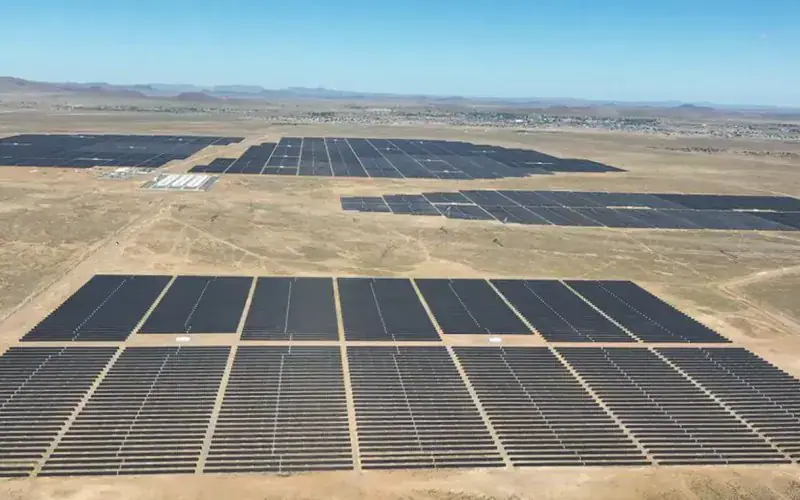
Currently, battery storage installations across Africa are dominated by behind-the-meter and off-grid systems, although the integration of batteries with solar power generation is increasing. The continent is developing diversified decarbonisation pathways, reflecting differences in national energy resources, infrastructure, and development requirements. This approach acknowledges that there is no single pathway to decarbonisation.
The global energy transition is being shaped by energy security concerns following geopolitical disruptions, including the 2022 Ukraine crisis and the 2026 Strait of Hormuz crisis. These developments have pushed governments to place greater emphasis on energy sovereignty and domestic energy supplies, including renewable energy sources. As a result, countries are continuing to rely on their respective energy resources.
The United States is expected to maintain a role for oil and gas, while coal remains important in China and India. Despite the growing adoption of low-carbon technologies, global energy demand is expected to continue increasing as countries seek to improve living standards and expand access to electricity. Low-carbon energy sources could account for nearly half of additional energy demand growth across non-OECD regions over the next decade.
Investment in low-carbon energy technologies reached US$3.26 trillion in 2025, with countries heavily dependent on imported fossil fuels directing increasing capital towards domestic renewable energy development. However, the expansion of these technologies faces infrastructure constraints, particularly inadequate electricity grids and insufficient battery storage capacity. Therefore, investment in electricity networks and storage infrastructure is critical to integrating renewable energy into national power systems.
For Africa, the central challenge remains expanding energy infrastructure to support economic development and improve electricity access while reducing long-term emissions. The report notes that the widely cited global net-zero emissions target for 2050 is increasingly considered out of reach under current energy transition trajectories.
Key points
- Africa's installed battery energy storage capacity is projected to reach 10GWac by 2026.
- The continent is developing diversified decarbonisation pathways to address energy security, affordability, and emissions reduction.
- Investment in electricity networks and storage infrastructure is critical to integrating renewable energy into national power systems.