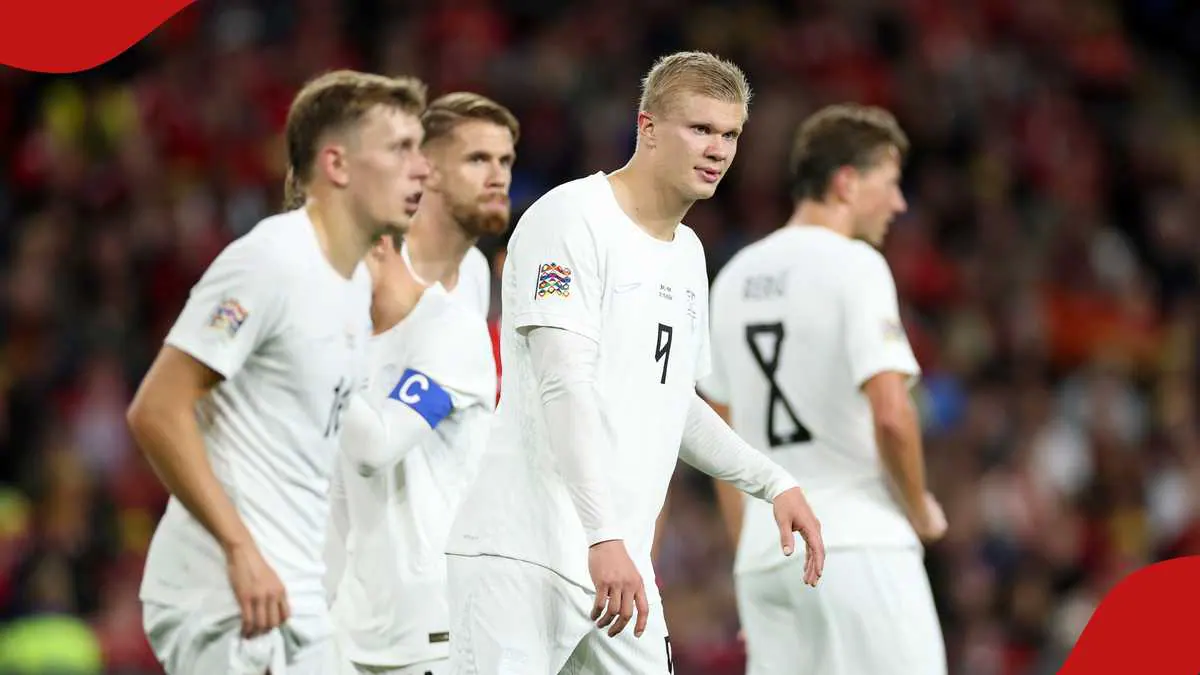
The current international break in the football calendar has stretched beyond the usual duration, sparking curiosity among fans. According to FIFA, the extended break is a result of merging the September and October international windows into one. This change, introduced in the 2026/27 season, allows national teams up to 16 days to complete their fixtures. The break, which started on 21 September, is set to end on 6 October. This new format aims to reduce the back-and-forth travel for players.
Under the previous format, players would take a short break from club duty in September, return to their clubs, and then head out again for another international window in October. The new system eliminates this back-and-forth travel, allowing players to make one longer trip and stay with their national teams throughout. This change also enables countries to schedule up to four competitive matches during the extended period, double the usual allowance.
The extended window has been utilized differently across various regions. In Europe, national teams have used this period for a busy run of Nations League fixtures. In Africa, the window has been used to kick off the opening rounds of the AFCON 2027 qualifiers. This change in the international calendar has both advantages and disadvantages. From a club perspective, the revised schedule offers a straightforward advantage: fewer disruptions across the season.
The new format means that clubs deal with one longer absence of their key players and then get their squads back for a sustained run of fixtures. However, not everyone is comfortable with the arrangement. Several coaches have raised concerns about the physical demands placed on players who could potentially play four international matches in under three weeks. They argue that this schedule is too intense and may lead to player fatigue.
The current international break is set to end on 6 October, with Premier League action resuming on 10 October. The next international break is scheduled for November, but it will revert to the shorter, more familiar format rather than the combined structure used this time around. This change in the international calendar has sparked debate among coaches and fans alike.
The introduction of the extended international break is part of FIFA's efforts to adjust the football calendar. Martin Moses, a sports journalist at TUKO.co.ke, notes that the change aims to provide national teams with more time to complete their fixtures. However, some coaches are concerned about the impact on player fatigue and the overall football calendar.
As the football season progresses, the impact of the extended international break will become clearer. The change has both advantages and disadvantages, and its effects will be closely monitored by clubs, coaches, and fans. The debate surrounding the extended international break is expected to continue.
Key points
- FIFA merged the September and October international windows into one extended break for the 2026/27 season
- The extended break allows national teams up to 16 days to complete their fixtures
- The change has sparked debate among coaches over whether the extended schedule places too much strain on players