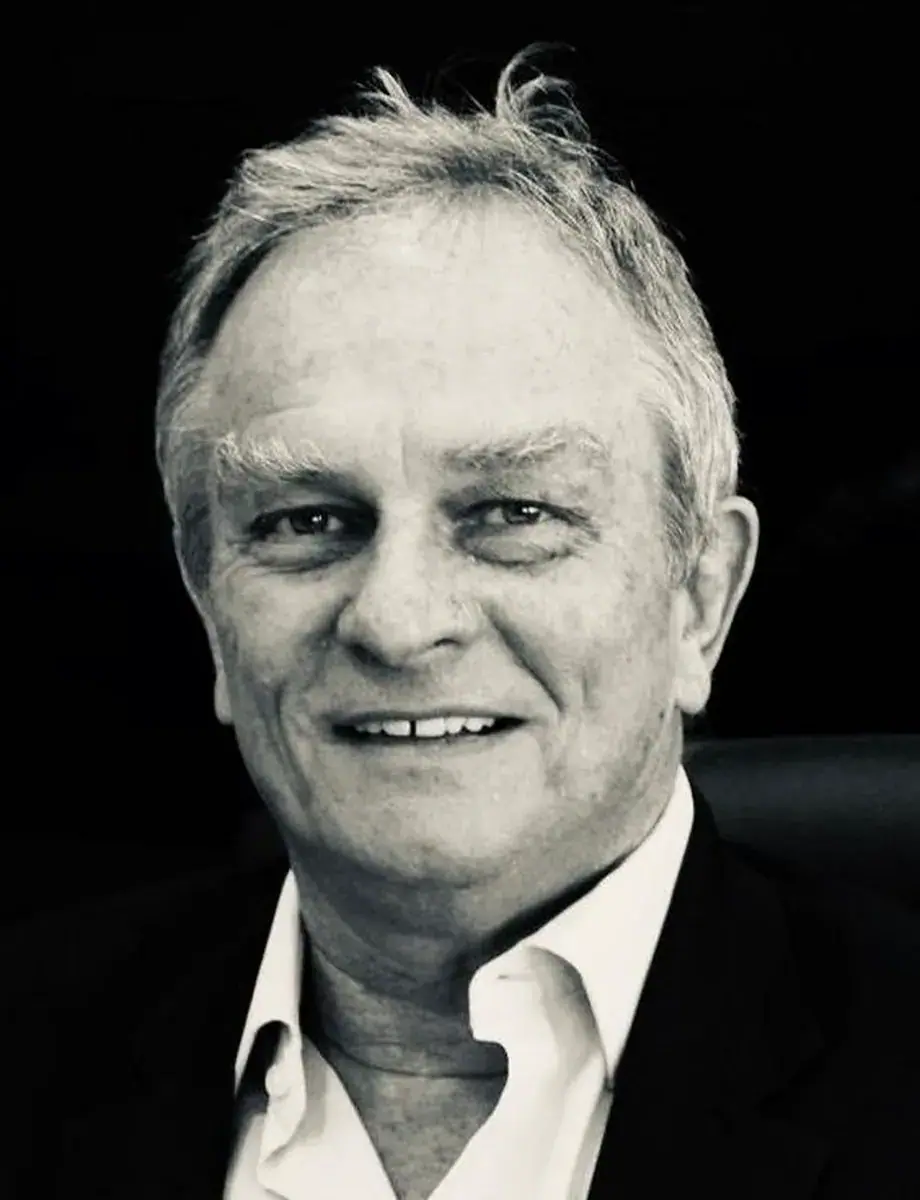
Fixing South Africa's municipalities, including Johannesburg, requires a deeper approach than just listing obvious infrastructural failures. According to Mark Barnes, a veteran leader with 35 years of experience in finance, banking, and government, true recovery demands structural debt relief, national-level support, and clear operational strategies. This would allow incoming leadership a fresh starting point to rebuild. Barnes, who graduated from the University of Cape Town with a degree in Actuarial Science, has spent years working in various sectors, including finance, banking, private equity, and government.
Many plans for fixing Joburg focus on obvious issues such as fixing the water supply, electricity, waste management, and addressing crime and corruption. However, Barnes argues that these are problem identification statements rather than forward strategies. He believes that those listing these priorities often lack a clear understanding of how to fix them, as evidenced by their track records. Barnes uses the analogy of a racing driver and a mechanic, emphasizing that a driver relies on a well-maintained car and support services to succeed.
Barnes points out that Joburg's current financial situation is a major obstacle to recovery. The city has tabled an unfunded budget, and National Treasury had to intervene, withholding the equitable share before a plan was made to solve the issue. Additionally, Joburg owes Eskom R5.25 billion, which has been settled but not solved. Barnes notes that estimates of the infrastructure backlog and outstanding municipal debtors balance vary widely, making it difficult to achieve financial sustainability.
The city's economic growth prospects are also a concern, with GDP growth at 1.2% and inflation over 4%. Barnes argues that these conditions make it challenging for Joburg to achieve financial sustainability. He suggests that the city's debt burden must be separated from its operational plan, and that a deal with National Treasury is needed to ringfence the massive dysfunctional debt burden.
Barnes proposes that a feasible, profitable operational plan be developed for Joburg's future, which would generate positive cash flow and capital formation to eventually sort out the debt pile. He also suggests that amnesty may be necessary to deal with the debt. Furthermore, Barnes believes that certain issues, such as crime, should be dealt with by the police and prosecuting authorities, rather than the metro executives.
The solution to many of Joburg's problems may lie at the national level, according to Barnes. He argues that National Treasury will have to play a key role in fixing the city's finances, and that other national-level interventions may be necessary to address issues such as electricity supply and water management. Barnes emphasizes that deliverable contracts at fair market value are necessary, and that successful outcomes should be rewarded instead of perpetual failure.
Ultimately, Barnes believes that the results of the local government elections will be critical in determining the direction for Joburg and other municipalities. He argues that a new approach is needed to fix the city's problems, one that goes beyond just getting things done and focuses on deliverable contracts and national-level support. The city's residents and the country at large are eagerly awaiting a solution to Joburg's challenges.
Key points
- Fixing Joburg requires a deeper approach than just listing infrastructural failures.
- Structural debt relief, national-level support, and clear operational strategies are necessary for recovery.
- A feasible, profitable operational plan and deliverable contracts at fair market value are crucial for Joburg's future.