Recently, there have been several incidents of mine collapses in Sudan, resulting in significant loss of life and injuries. In one instance, five adjacent wells in a West Kordofan mine collapsed, killing at least 83 people and injuring dozens. Three days later, another mine collapse in eastern Sudan resulted in 12 fatalities and multiple injuries. These incidents are not isolated, but rather part of a larger pattern of mine collapses that have occurred throughout the year.
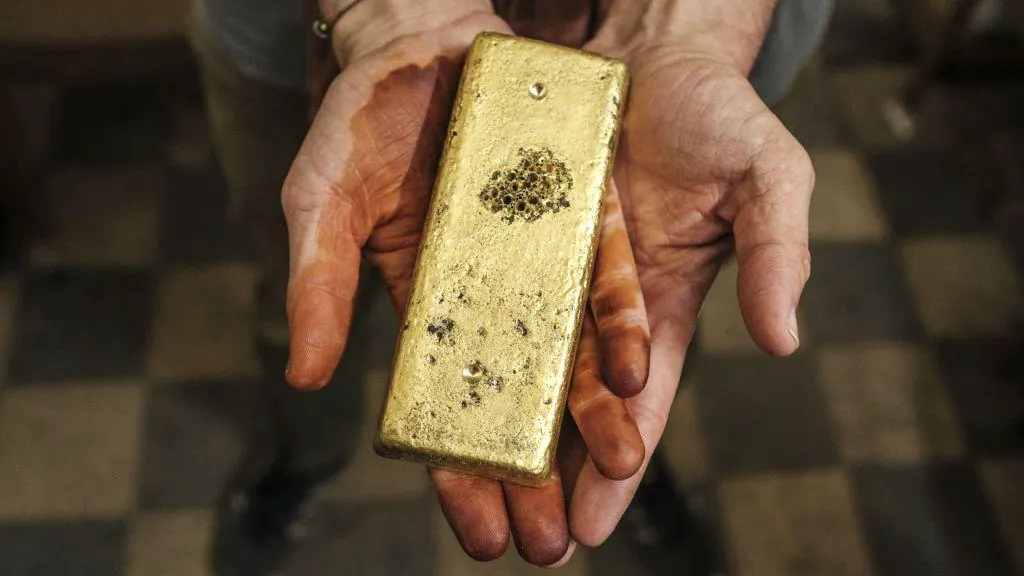
The allure of gold mining in Sudan is significant, with many individuals drawn to the industry due to the country's economic challenges. Following the loss of oil resources after South Sudan's independence in 2011, Sudan has increasingly relied on gold. The ongoing conflict, which began in 2023, has led to a surge in the number of people turning to gold mining, with over 6 million individuals now working in more than 800 sites.
One such individual is Adam Al-Faki, who previously worked in agriculture but was forced to abandon his job and family due to the conflict. He traveled to northern Sudan, seeking better economic prospects through gold mining. Al-Faki works in challenging conditions, using primitive methods in areas with minimal safety measures. He hopes to find gold and improve his economic situation.
Experts attribute the frequent mine collapses to the lack of safety measures and inadequate oversight. Dr. Abdulrahim Hassan, a safety expert, notes that most mines are dug randomly and lack proper engineering supports. He also cites the impact of climate-related factors, such as heavy rainfall and flooding. Hassan emphasizes that authorities have a responsibility to ensure safety and should impose stricter regulations on mining operations.
Government officials acknowledge the challenges in regulating the gold mining sector, particularly in remote and conflict-affected areas. The Sudanese government has implemented plans to organize artisanal mining and address the growing number of miners. However, officials admit that the ongoing conflict has hindered their ability to effectively monitor and regulate the industry.
Sudan is a significant gold producer in Africa, with around 60 companies involved in exploration and extraction. However, much of the gold produced in the country is smuggled out, primarily through Egypt, Chad, and South Sudan, before being sold to the United Arab Emirates. The international community has expressed concerns about the role of gold in financing the conflict in Sudan.
The consequences of the conflict in Sudan have been devastating, with hundreds of thousands killed, millions displaced, and widespread destruction of critical infrastructure. Despite these challenges, many Sudanese, including Al-Faki, continue to seek their fortunes in gold mining, driven by the hope of improving their economic prospects. The situation highlights the need for effective regulation and safety measures in the gold mining sector.
Key points
- Many Sudanese are turning to gold mining due to economic challenges and the allure of quick profits, despite the high risks involved.
- The lack of safety measures and inadequate oversight have contributed to the frequency of mine collapses in Sudan.
- The gold mining sector in Sudan is significant, but much of the gold produced is smuggled out of the country, contributing to the ongoing conflict.