Pokémon, a franchise that began as a simple video game, has become a global phenomenon spanning multiple media platforms. The first Pokémon games, Pokémon Red and Green, were released in Japan in February 1996 for the Game Boy. Developed by Game Freak and published by Nintendo, the games introduced the basic formula that remains central to the franchise: catch Pokémon, train them, battle with them, and trade them with other players. The Game Boy's link cable allowed players to trade Pokémon between games, making collecting a social experience.
The Pokémon animated series played a significant role in turning Pokémon into a global phenomenon. The series helped introduce the characters to audiences who may never have played the Game Boy games. In South Africa, the anime was broadcast on SABC 2 and ETV, making Ash Ketchum and Pikachu household names. The television series gave personality and stories to Pokémon that had originally existed primarily as game characters, helping Pokémon move beyond being a video-game property and become a broader entertainment brand.
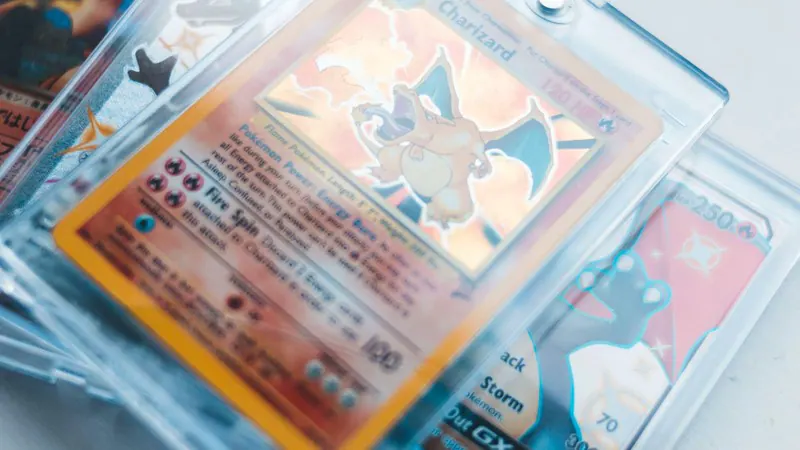
The Pokémon Trading Card Game (TCG) created another way for fans to collect and engage with the franchise. Players could collect cards, trade them, and compete with decks. Over time, some cards also became highly sought-after collectables, creating a Pokémon audience that did not necessarily need to own a video game to participate in the franchise. This aspect of the franchise has become particularly appealing to older fans who are interested in the financial potential of rare cards.
Nostalgia plays a significant role in Pokémon's enduring popularity. The franchise has managed to appeal simultaneously to new generations of children and adults who grew up with Pokémon. For someone who played Pokémon on a Game Boy as a child or watched the anime on TV, seeing Pikachu, Charizard, or the original games can trigger childhood memories. The franchise has therefore become a way for people to revisit their childhood and share it with their own children.
Pokémon's longevity can be attributed to its ability to evolve and adapt to changing times. The franchise has expanded into mobile gaming, such as Pokémon Go, and has introduced new Pokémon, regions, and gameplay mechanics. This has allowed Pokémon to remain visible among adults and appeal to new generations of children. The franchise's cross-generational appeal has been a key factor in its enduring popularity.
The financial potential of Pokémon collectables has become a significant aspect of the franchise's appeal. Rare cards and other collectables can give massive returns, making them a valuable commodity for fans. This has created a new way for fans to engage with the franchise and has helped to sustain its popularity over the years.
Today, Pokémon spans games, trading cards, animated television, films, toys, clothing, collectables, mobile games, and collaborations with major brands. The franchise's ability to evolve and adapt has made it almost invincible, with a global fan base that continues to grow. As Pokémon celebrates 30 years, it is clear that its enduring popularity is a result of its ability to appeal to multiple generations and its willingness to evolve and adapt to changing times.
Key points
- Pokémon's cross-generational appeal has been a key factor in its enduring popularity.
- The franchise's ability to evolve and adapt to changing times has helped to sustain its popularity.
- The financial potential of Pokémon collectables has become a significant aspect of the franchise's appeal.