Egypt's Higher Media Council has issued a statement emphasizing the importance of respecting citizens' private lives and not discussing or disseminating content related to personal crises, family disputes, or secrets of individuals without exception. The council stated that irresponsible media coverage of private lives causes harm to individuals and society. According to the council, freedom of opinion and expression, as well as media freedom, are tied to responsibility.
The council's statement comes after a recent incident sparked debate among media professionals and journalists. The guidelines apply to all media institutions, press outlets, and digital platforms subject to the 2018 law. The council emphasized that it will continue to monitor and take legal action against any violations of the guidelines. The move has sparked concerns among journalists and media professionals, who see it as a restriction on press freedom.
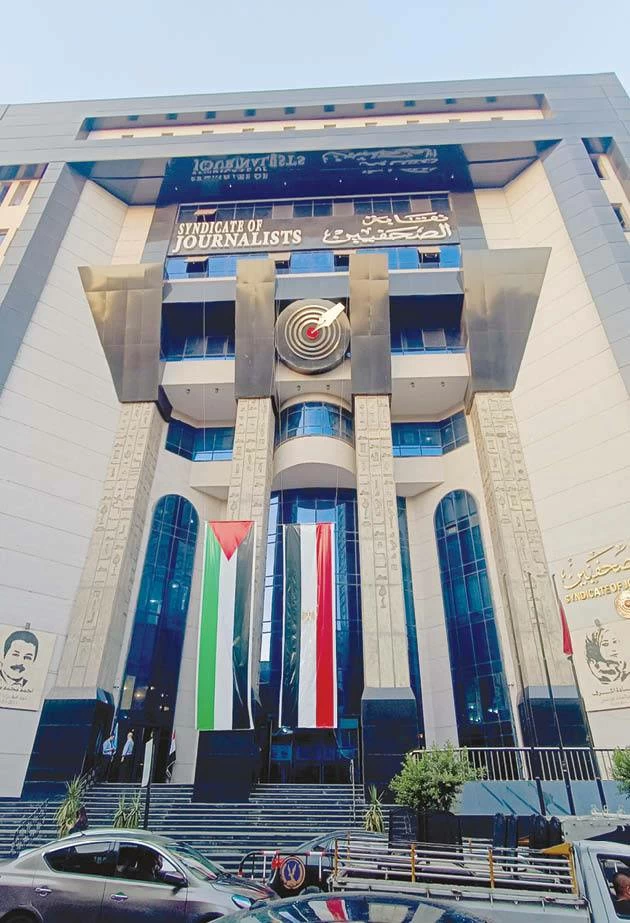
The Egyptian Journalists' Syndicate expressed concerns over the council's guidelines, arguing that they could limit press freedom. Journalist and media expert Dr. Yasser Abdel Aziz stated that there is already a legal and professional framework governing the coverage of private lives. Abdel Aziz noted that the existing laws and codes of conduct for journalists and media professionals are sufficient to regulate the coverage of private lives.
Abdel Aziz added that the new guidelines may not be necessary and could be seen as restrictive. He emphasized that press freedom is essential and should be protected and promoted. Meanwhile, journalist Jamal Fahmy argued that the coverage of public figures' private lives should be handled differently than that of ordinary citizens. Fahmy stated that journalists have the right and duty to cover the public aspects of public figures' lives.
Fahmy emphasized that journalists should respect the private lives of individuals, including public figures. He noted that the council's guidelines should differentiate between public figures and ordinary citizens. Human rights expert Saeed Abdel Hafez stated that the council's guidelines align with the constitutional protection of the right to privacy. However, he expressed some reservations about the absolute language used in the guidelines.
Abdel Hafez noted that the guidelines may not provide a clear distinction between private and public matters. He emphasized that the right to know and press freedom should not be used to justify invading individuals' private lives. Abdel Hafez added that the guidelines should be more specific and take into account the complexities of different situations.
The controversy surrounding the guidelines highlights the ongoing debate about press freedom and the right to privacy in Egypt. The Higher Media Council's guidelines have sparked concerns among journalists and media professionals, who see them as a potential restriction on press freedom. The council's efforts to regulate the coverage of private lives aim to protect citizens' rights and prevent harm.
Key points
- The Higher Media Council's guidelines aim to regulate the coverage of private lives and prevent harm to individuals and society.
- Journalists and media professionals have expressed concerns that the guidelines could restrict press freedom.
- The guidelines have sparked a debate about the balance between press freedom and the right to privacy in Egypt.