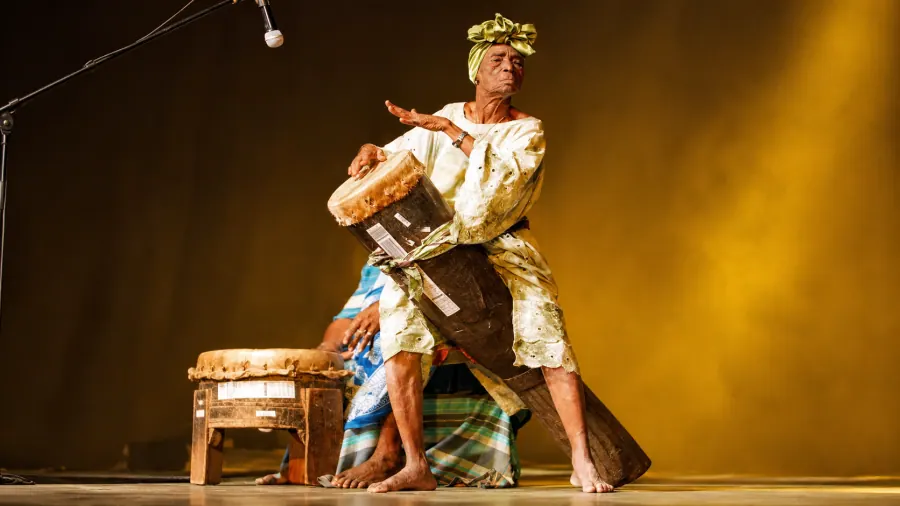
Traditional Moroccan music features a variety of instruments made from animal skin, including the bendir, darbouka, and hajouje. These instruments produce distinct sound waves with deep and low frequencies, resonating with the human body. The use of animal skin in instrument-making dates back centuries, with different types of skin producing unique tones and textures. Moroccan musicians have long favored animal skin for its ability to produce rich and emotive sounds.
Goat skin is highly prized for its thinness, flexibility, and durability, making it an ideal material for crafting percussion instruments. The sound produced by goat skin is sharp and clear, adding a lively touch to traditional Moroccan celebrations and weddings. In contrast, camel skin is thicker and stronger, producing a warmer and deeper sound. This type of skin is often used to make the hajouje, a traditional Moroccan instrument known for its soothing and hypnotic tones.
Snake skin is also used in traditional Moroccan music, particularly in stringed instruments like the sbous or rebab. The use of snake skin adds a unique spiritual dimension to the music, with many Moroccans believing that it possesses mystical powers. The cultural significance of animal skin in Moroccan music is undeniable, with many musicians believing that it adds a level of authenticity and emotional depth to their performances.
Animal skin is a living, breathing material that responds to changes in temperature and humidity. To achieve the perfect sound, Moroccan musicians often heat their instruments over an open flame or using a specialized tool. This process, known as "tanning," allows the skin to vibrate freely, producing a rich and nuanced sound. The interaction between the musician's hands, the instrument, and the environment creates a unique sonic experience that is both captivating and emotive.
The use of animal skin in Moroccan music is not limited to traditional instruments. Many modern musicians are experimenting with new sounds and techniques, incorporating animal skin into their music. This fusion of traditional and modern elements has helped to keep Moroccan music vibrant and relevant, appealing to a new generation of music lovers.
Despite the challenges of working with animal skin, many Moroccan musicians believe that it is essential to their craft. The process of selecting, preparing, and working with animal skin is an art form in itself, requiring great skill and patience. The end result is well worth the effort, as the sound produced by these instruments is truly unique and captivating.
In conclusion, the use of animal skin in traditional Moroccan music is a rich and complex phenomenon that reflects the country's cultural heritage. From the bendir to the hajouje, these instruments have been an integral part of Moroccan music for centuries, producing a distinctive sound that is both beautiful and emotive. As Moroccan music continues to evolve, it is likely that animal skin will remain an essential component of its unique sound.
Key points
- The use of different animal skins in Moroccan instrument-making produces unique tones and textures.
- Animal skin is a living, breathing material that responds to changes in temperature and humidity.
- The interaction between the musician's hands, the instrument, and the environment creates a unique sonic experience.