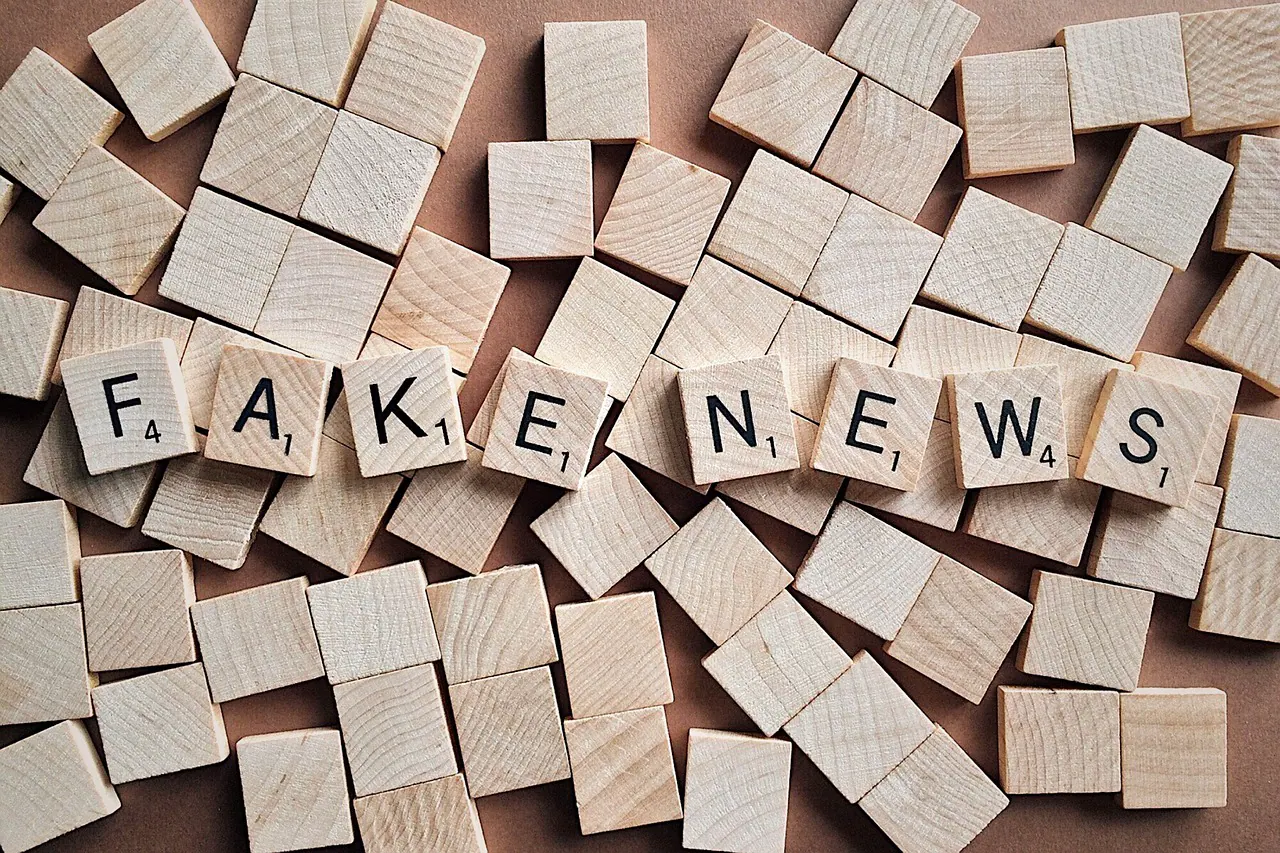
A recent study by the University of Drenthe found that fake news spreads faster and more than true information. This raises the question of why people tend to believe in fake news. To understand this, it's essential to define what fake news is and how to identify it. Fake news can be entirely false, contain exaggerations, or be based on unverified information. On the other hand, true news is accurate, reliable, and reflects reality.
Researchers in psychology attribute the tendency to believe in fake news to people's natural bias. This bias leads individuals to follow channels and pages that align with their views and believe in news that corresponds to their way of thinking. In Libya, this phenomenon is repeatedly observed, where rumors and fake news spread quickly, such as the complete power outage. Although these rumors may have some truth, they often exaggerate or distort facts.
Another reason people believe in fake news is that they don't think critically. Studies by the University of Regina in Canada and the University of Brown found that people tend to quickly browse social media, reading headlines and not verifying information. This rapid browsing leads to a lack of critical thinking, making it easier to spread fake news. To combat this, it's essential to browse social media slowly, analyze information critically, and verify sources.
Social influence also plays a significant role in believing fake news. When friends or like-minded individuals share news, people tend to believe it without verification. This is because humans are social creatures and rely on each other to share information. However, this can lead to the spread of misinformation if the social circle is biased or hasn't verified the information.
The amount of time invested in reading news also affects people's ability to critically evaluate information. The more time spent reading, the more likely people are to build a critical opinion and develop skills in reading news. It's essential to build a habit of critically evaluating news and being aware of the limitations of quickly reading information on social media.
Developing critical thinking skills and being aware of biases and social influences can help people identify fake news. By taking the time to verify information and analyze sources, individuals can make informed decisions about what they believe. This is particularly important in today's digital age, where information spreads rapidly.
In conclusion, believing in fake news is a complex issue influenced by various factors, including bias, critical thinking, social influence, and time invested in reading news. By understanding these factors and developing critical thinking skills, people can become more aware of fake news and make informed decisions about the information they consume.
Key points
- Fake news can be entirely false, contain exaggerations, or be based on unverified information.
- People's natural bias and social influence can lead them to believe in fake news.
- Critical thinking and verifying sources are essential in identifying fake news.