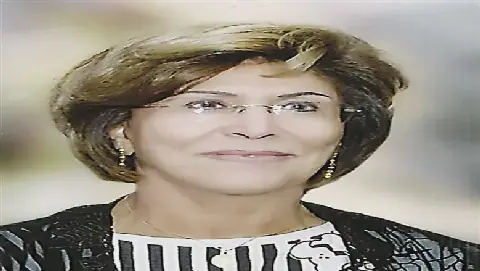
The World Health Organization (WHO) has emphasized the need for stronger health surveillance and collaboration at Ghana's border points. According to Dr. Fiona Braka, WHO Country Director to Ghana, the movement of people across borders poses significant public health risks, making effective screening, surveillance, and referral systems essential. This call was made during her visit to the Namoo border post in the Upper East Region as part of a three-day trip to understand the region's unique healthcare needs.
Dr. Braka engaged officials of the Ghana Immigration Service (GIS) at the Namoo border post, discussing issues concerning border health and disease surveillance. She highlighted that mobile populations are particularly vulnerable to infectious diseases due to their frequent movement across communities and countries. The WHO Country Director stressed that when it comes to health, there are no borders, and systems must be in place to screen and identify concerns easily.
The Country Director noted that outbreaks can be triggered or accelerated by population movements, emphasizing the need to give equal attention to the health of people moving across borders, just as attention is given to the movement of goods. Dr. Braka also highlighted the importance of the One Health approach, which recognizes the interconnectedness of human, animal, and environmental health. This approach promotes a holistic view of health, considering the interaction between humans, animals, and the environment.
Dr. Braka called for closer collaboration with veterinary services, noting that diseases can be transmitted between animals and humans. She also mentioned that the WHO is working with national partners, including the International Organization for Migration (IOM), to strengthen sensitization at points of entry. This collaboration aims to enhance preparedness and response to public health threats.
The WHO Country Director cited the ongoing Ebola outbreak in the eastern Democratic Republic of Congo (DRC) as a concern requiring vigilance. She warned that geographical distance should not lead to complacency, recalling the COVID-19 pandemic, which started in China and spread globally. Dr. Braka assured that the WHO would continue working with stakeholders to strengthen preparedness and establish the capacity available at border points to respond effectively to public health threats.
Dr. Braka's visit was part of a three-day trip to the Upper East Region, which included discussions with officials from the Ghana Health Service (GHS) and the GIS. The WHO team, led by Dr. Braimah Baba Abubakari, Regional Director of the GHS, aimed to assess preparations for the rollout of national health initiatives. The team explored ways to strengthen collaboration with the GIS and other relevant agencies in border districts.
Assistant Commissioner of Immigration (ACI) Jacob Jaflo Lartey, the Sector Commander, thanked the WHO team and management of the GHS for the visit. He noted that health is critical and commended the GHS official designated at the post. The visit demonstrated the commitment of the WHO and Ghanaian authorities to enhancing border health surveillance and preventing the spread of infectious diseases.
Key points
- The WHO calls for stronger health surveillance and collaboration at Ghana's border points to prevent the spread of infectious diseases.
- Dr. Fiona Braka emphasizes the importance of the One Health approach in promoting a holistic view of health.
- The WHO is working with national partners to strengthen sensitization at points of entry and enhance preparedness and response to public health threats.