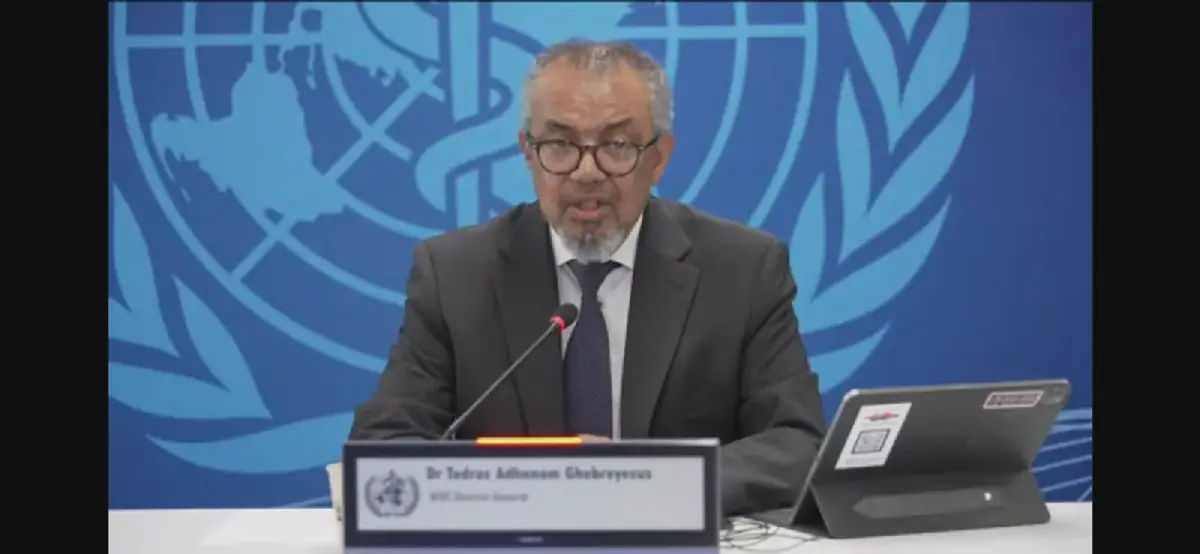
The World Health Organization (WHO) has reported encouraging signs in the ongoing Ebola outbreak in the Democratic Republic of Congo. Six months after the outbreak began, nearly 3,000 people have recovered from the virus. WHO Director-General Tedros Adhanom Ghebreyesus attributed the progress to the effectiveness of interventions on the ground, but emphasized that the situation remains fragile in several affected areas.
The outbreak, caused by the Bundibugyo virus, has been complicated by insecurity, population displacement, and difficulties in accessing affected communities. According to the WHO, armed conflicts, population displacement, and food insecurity have hindered access to affected areas and impeded the work of medical teams. These constraints have sometimes reduced the ability of healthcare actors to ensure contact tracing, rapid case detection, and patient care.
To consolidate the progress made, Ghebreyesus stressed the importance of community engagement and adherence to response actions. He advocated for an approach based on listening, respect for affected communities, and improving the quality of care. The WHO emphasizes that patients must have rapid access to health structures to increase their chances of survival and reduce the risk of virus transmission.
The organization is calling for secure humanitarian access to affected areas and increased funding mobilization. The WHO believes that continued interventions are essential to completely interrupt the virus circulation. Ghebreyesus reaffirmed the organization's commitment to supporting Congolese authorities and their partners, encouraging all actors to continue efforts until the complete elimination of new cases.
The WHO reports that progress over the past six months shows that epidemic control is possible, provided that vigilance is maintained and interventions continue in affected areas. The organization's efforts are focused on ensuring that patients have access to quality care and that communities are engaged in the response.
The Ebola outbreak has also had a significant impact on the country's food security situation. The WHO has warned that the crisis could worsen, with 30 million people potentially affected. The organization is working with partners to address the crisis and provide support to affected communities.
Ghebreyesus concluded by emphasizing the need for sustained efforts to bring the outbreak to an end. "Until there are no more cases, we can end this epidemic and we will," he stated. The WHO will continue to work with Congolese authorities and partners to support the response efforts and ultimately eliminate the virus.
Key points
- The WHO has reported nearly 3,000 recoveries from Ebola in the Democratic Republic of Congo six months after the outbreak began.