The World Health Organization (WHO) has expressed deep concern over the ongoing delays in delivering humanitarian aid to Gaza. According to WHO representative in the Palestinian territories, Reinhilde Van De Weerd, the situation in Gaza remains catastrophic, with no hospitals operating at full capacity. The WHO has documented significant shortages of medical supplies, which are essential for treating patients.
The Israeli occupation authorities have been accused of deliberately delaying the entry of aid into Gaza. Van De Weerd stated that the approval process for medical supplies and other humanitarian aid is lengthy and unpredictable, resulting in significant delays. On average, large quantities of medical supplies have been waiting for approval for 74 days. The WHO has called for the immediate and unhindered entry of humanitarian aid into Gaza.
The shortage of medical supplies has severe consequences for patients in Gaza. Essential medical equipment, such as X-ray machines, sterilization equipment, and CT scanners, are in short supply. The WHO has reported that many of these essential items have been rejected or delayed, exacerbating the crisis. The organization's representative emphasized that the lack of medical supplies is not the only challenge; the entire system of approval and delivery is complex and time-consuming.
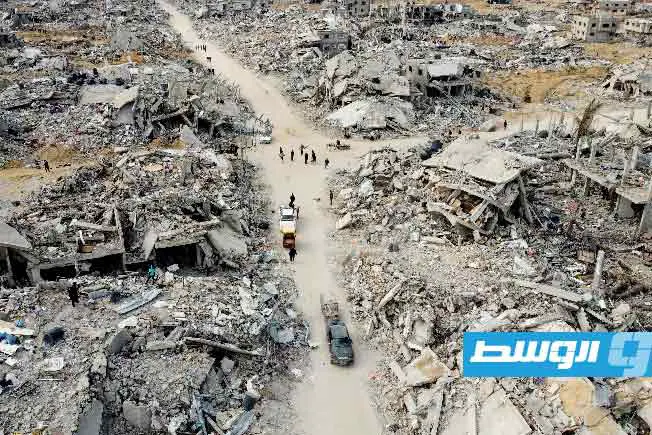
The humanitarian crisis in Gaza has been ongoing for several months. The Israeli occupation has resulted in over 250,000 deaths, injuries, and missing persons. The situation has been further complicated by the closure of borders, which has severely restricted the flow of goods and services into Gaza. The WHO has called for the opening of additional border crossings to facilitate the delivery of humanitarian aid.
The WHO has welcomed the approval of some medical supplies, but the process remains slow and unpredictable. According to Van De Weerd, around 87% of medicines have been approved, but 1% have been rejected. The organization has emphasized that the approval process must be streamlined to ensure that aid reaches those in need in a timely manner.
The humanitarian situation in Gaza continues to deteriorate. The WHO has expressed concern that the current level of aid is insufficient to meet the needs of the population. The organization has called for increased support and cooperation from the international community to address the crisis. The WHO representative emphasized that the success of aid efforts should be measured by the impact on the health and well-being of the population, not just the number of trucks crossing the border.
The international community has been urged to take action to address the humanitarian crisis in Gaza. The WHO has called for increased pressure on the Israeli occupation authorities to allow the unhindered entry of humanitarian aid. The organization has emphasized that the protection of civilians and the provision of humanitarian aid are essential for mitigating the crisis.
Key points
- The WHO has condemned Israel's deliberate delays in allowing humanitarian aid to enter Gaza.
- The situation in Gaza remains catastrophic, with significant shortages of medical supplies.
- The international community has been urged to take action to address the humanitarian crisis in Gaza.