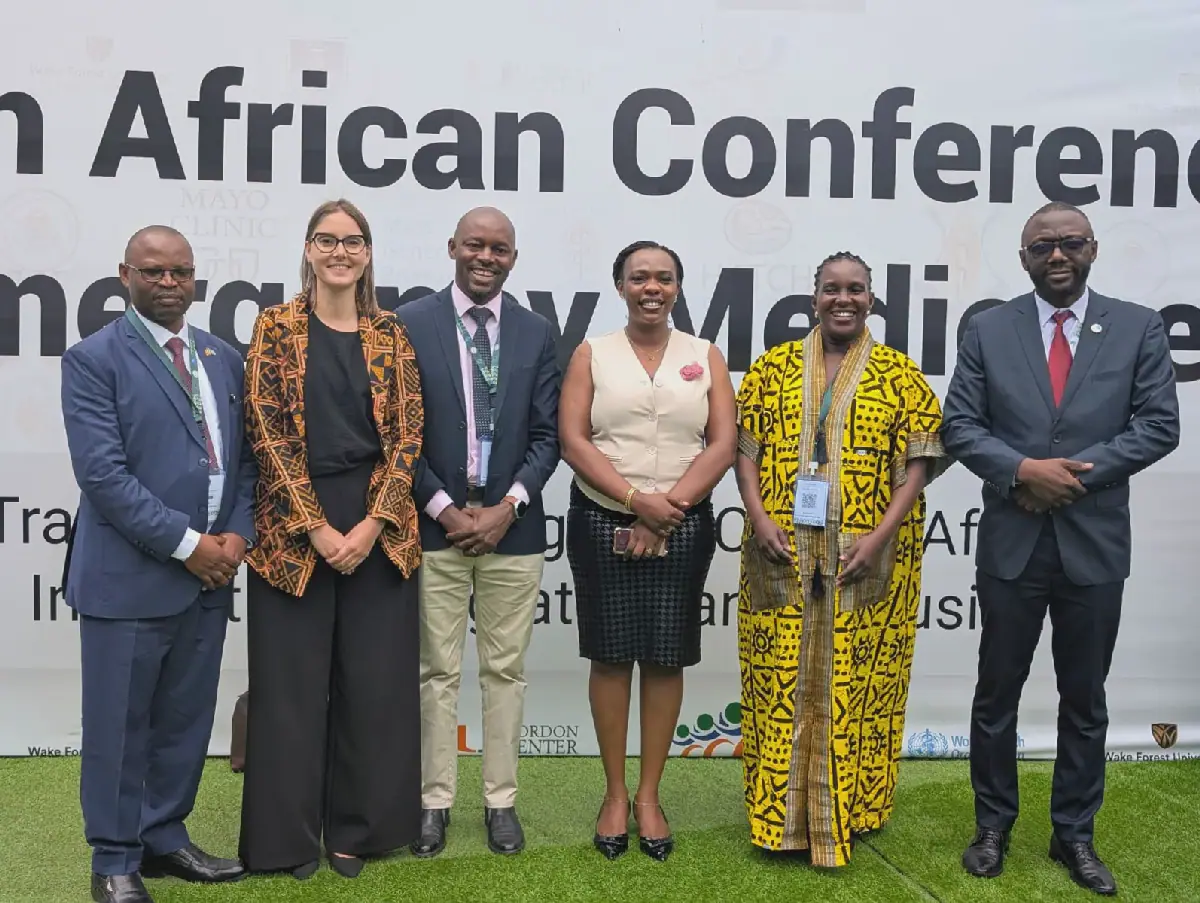
The World Health Organization (WHO) Uganda has partnered with the Ministry of Health, the African Federation for Emergency Medicine (AFEM), the Emergency Care Association of Uganda (ECAU), and regional counterparts to review progress in strengthening emergency and acute care services across Africa. This review took place during the 8th African Conference on Emergency Medicine (AFCEM) in Arusha, Tanzania. Representatives from Uganda, Tanzania, Ethiopia, and Rwanda attended the conference.
The meeting focused on lessons learned from the implementation of the Acute Care Transformation through Basic Emergency Care (ACTxBEC) initiative. This initiative is being implemented in 777 health facilities across the region. The goal of ACTxBEC is to strengthen frontline emergency and acute care through practical training, mentorship, and improvements in health systems. This will help ensure that more people can access life-saving care when and where they need it.
Discussions during the conference also centered on implementation approaches and strategies for integrating the programme's gains into national health systems and budgets. This is crucial for ensuring long-term sustainability. The WHO Uganda emphasized the importance of country-led approaches to maintaining improvements in emergency care services beyond the initial implementation phase.
The ACTxBEC initiative is supported by the WHO Foundation, Laerdal Global Health, and other partners. The broader goal of this initiative is to strengthen access to quality emergency and acute care across the region. By working together, these partners aim to make a significant impact on the health and well-being of people in Africa.
The conference brought together experts and representatives from various countries to share knowledge and experiences. This exchange of ideas will help improve emergency care services in Africa. The WHO Uganda and its partners are committed to supporting countries in their efforts to strengthen emergency and acute care services.
Key stakeholders, including the Ministry of Health and regional counterparts, are working together to ensure the long-term sustainability of the ACTxBEC initiative. This involves integrating the programme's gains into national health systems and budgets. By doing so, countries can maintain improvements in emergency care services beyond the initial implementation phase.
The review of the Emergency Care Programme in 777 facilities across Africa highlights the progress made so far. The WHO Uganda and its partners will continue to support countries in their efforts to strengthen emergency and acute care services. This will help ensure that people in Africa have access to quality healthcare when they need it.
Key points
- The ACTxBEC initiative aims to strengthen frontline emergency and acute care through practical training, mentorship, and improvements in health systems.
- The initiative is being implemented in 777 health facilities across the region.
- The programme's gains will be integrated into national health systems and budgets to ensure long-term sustainability.
Reporting sources
- WHO, Health Partners review Emergency Care Programme in 777 Facilities across Africa · Uganda Broadcasting Corporation