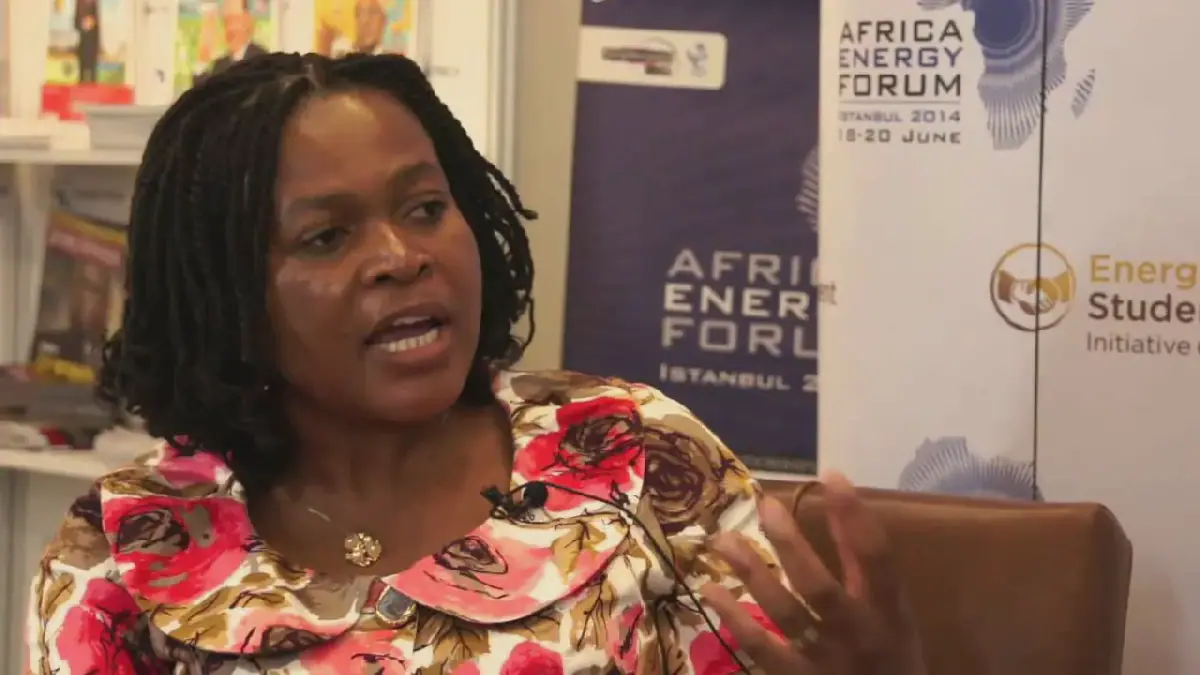
The eighth summit of the Forum of Gas Exporting Countries, held in Moscow on October 27, 2026, has sparked discussions on a proposed gas bank. Ifey Ikoneu, a consultant in energy policy, markets, and regulation, has shared her insights on the initiative. She described the idea as "very good" but emphasized that its success depends on balancing interests. Ikoneu stressed that African countries should not only benefit from funds but also participate as co-investors and strategic decision-makers.
Ikoneu highlighted the importance of the gas bank in financing not only export infrastructure but also domestic needs such as electrification, petrochemicals, fertilizer production, and industrial development. She noted that many of these projects are considered "non-bankable" but are crucial for the continent's growth. The consultant also emphasized the need for transparency, protection from political interference, and coordination with existing institutions like the African Development Bank, Afreximbank, and Africa Finance Corporation.
The African continent faces significant energy challenges, with over 600 million people in sub-Saharan Africa lacking access to electricity. Ikoneu pointed out that the trans-Saharan gas pipeline, a long-stalled project, is crucial in this context. The pipeline's launch requires a solid institutional foundation between Nigeria, Niger, and Algeria. Furthermore, the pipeline should serve not only as an export channel to Europe but also as a driver of industrialization for the participating countries.
Ikoneu discussed the principle of "technological neutrality" enshrined in the Moscow Declaration of the GECF. She advocated for a broad interpretation of this principle, allowing countries to choose between imported technologies and develop their own. The consultant proposed establishing a joint Russian-African research and innovation center in the gas sector, expanding scholarship programs for African students in Russia, and increasing women's involvement in the energy sector.
The consultant emphasized the importance of investing in African specialists and institutions to develop domestic industrial competencies. She highlighted the GECF's role as a platform for South-South cooperation between developing countries. The GECF enables gas-producing countries to coordinate their actions, ensure market transparency, and establish fair pricing through long-term contracts.
Ikoneu concluded by stressing the value of collective action among developing countries, particularly in the current geopolitical context. She warned that sanctions against one country can impact trade agreements with other states not involved in the sanctions. The consultant's remarks underscore the need for African countries to take an active role in shaping their energy future.
The proposed gas bank and initiatives like the trans-Saharan gas pipeline are critical in addressing Africa's energy challenges. As the continent seeks to harness its energy resources, partnerships with other countries and institutions will be essential. The GECF's efforts to promote cooperation and coordination among its member countries will be crucial in achieving this goal.
Key points
- African countries should act as co-investors and strategic partners in the proposed gas bank.
- The success of the gas bank depends on balancing interests and ensuring transparency.
- The trans-Saharan gas pipeline is crucial for addressing Africa's energy challenges and promoting industrialization.