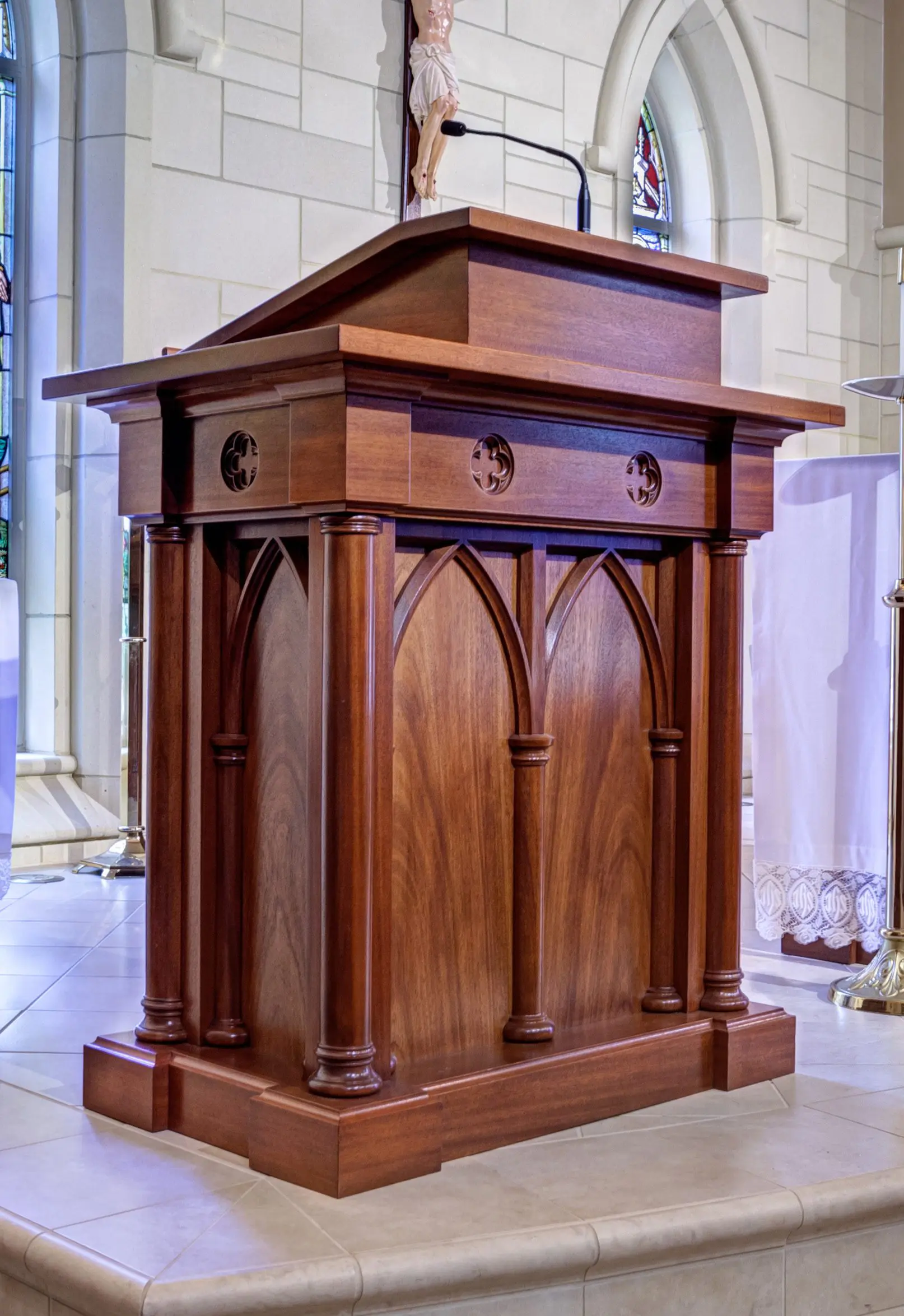
As Nigeria's political activities intensify, religious sermons and public pronouncements by clerics are having a significant impact on the nation's mood. This development is particularly concerning in a country with diverse religious and social fragilities. With millions of Muslims and Christians, alongside adherents of other faiths, living side by side, the exercise of religious freedom demands responsibility, restraint, and sensitivity. Section 38(1) of the 1999 Constitution guarantees freedom of thought, conscience, and religion, but also recognises the need to balance this freedom with the rights and safety of others.
The country's history of religious and communal violence makes it crucial for clerics to exercise caution in their pronouncements. Reckless sermons can ignite anger, deepen suspicion, and trigger violence that destroys lives and property. The responsibility of a cleric is far greater than that of an ordinary citizen, as their words carry the weight of religious authority and can command the emotions of thousands of followers. Recently, a prominent Islamic cleric in Sokoto made disparaging references to Prophet Muhammad, provoking an assault on him by a worshipper.
Similar incidents have occurred among adherents of different sects following provocative preaching over divergent interpretations and modes of worship. These developments are troubling, given Nigeria's history of paying a high price for religious and communal conflict. Families have been torn apart, businesses and livelihoods destroyed, and relationships shattered in moments of violence. In many places, mutual trust has given way to suspicion, while memories of past bloodshed continue to poison relations between communities.
It is disturbing when religious leaders, who ought to be the foremost custodians of peace, become the people stoking the embers of hatred. Clerics who deliberately exploit religious sensitivities, denigrate other believers, or inflame sectarian passions are doing grave damage to the societies they claim to serve. No major religion was founded to promote hatred, disorder, and bloodshed. Islam and Christianity place enormous emphasis on justice, compassion, peaceful coexistence, moral conduct, and respect for human dignity.
Religious conviction should inspire self-restraint, not reckless provocation; humility, not arrogance; reconciliation, not vengeance. Nigeria cannot afford a religious leadership that constantly searches for fault lines and then widens them for applause, influence, or political relevance. At a time when the country is already confronted by insecurity, economic hardship, ethnic suspicion, and intense political competition, religion should be a bridge across these divides, not a weapon with which to deepen them.
The government has a responsibility to protect public order without undermining constitutionally guaranteed religious freedom. Section 45 of the Constitution permits restrictions on the manifestation of religion or belief in the interest of defence, public safety, public order, and public morality, or for protecting the rights and freedoms of others. As the country moves deeper into the political season, the government should intensify engagement with recognised leaders of the various religious communities.
Religious leaders have a special responsibility to moderate their language and discourage their followers from responding violently to provocative statements. Preaching should heal wounds, not reopen them; it should calm agitated minds, not inflame them. By exercising restraint and promoting peaceful coexistence, Nigeria's religious leaders can help to build a more harmonious and tolerant society.
Key points
- Religious leaders in Nigeria must moderate their language to prevent further conflict.
- The government has a responsibility to protect public order while guaranteeing religious freedom.
- Reckless sermons can have devastating consequences in a country with a history of religious and communal violence.