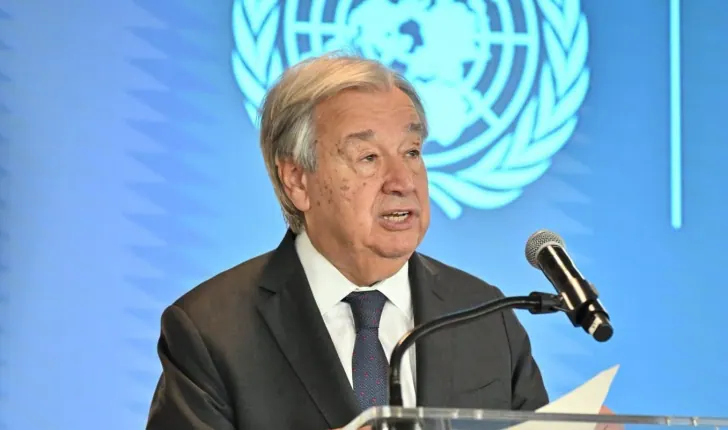
The United Nations is facing a critical moment in its history, with its authority being questioned amid global conflicts, economic uncertainty, and rapid technological advancements. As the organization searches for its tenth Secretary-General, Africa is seeking a leader who can effectively address these challenges and make the UN more relevant. The next Secretary-General will take office on January 1, 2027, and will need to navigate complex global issues.
Several candidates have emerged for the position, each with unique experiences and qualifications. Guyana's Carolyn Rodrigues-Birkett brings over two decades of public service, including experience as foreign minister and Permanent Representative to the UN. Argentina's Rafael Mariano Grossi has a background in nuclear security and international law, having served as Director General of the International Atomic Energy Agency. Other candidates include Ecuador's María Fernanda Espinosa Garcés, Ivonne A-Baki, Senegal's Macky Sall, Uganda's Olara Otunnu, and Costa Rica's Rebeca Grynspan.
Africa has a particular interest in the selection process, given the legacy of Kofi Annan, who demonstrated that a Secretary-General can defend the UN while also driving change. Annan's tenure showed that the institution's authority depends on its ability to adapt to evolving global challenges. The current moment presents an opportunity for another leader to emerge and make a similar impact.
The selection process involves informal straw polls in the Security Council, with the five permanent members holding significant influence over the outcome. Rebeca Grynspan has received notable support, with nine "encourage" votes in the third informal poll. Her experience as Secretary-General of UN Trade and Development has equipped her to address issues of economic transformation and development, which are critical to Africa's interests.
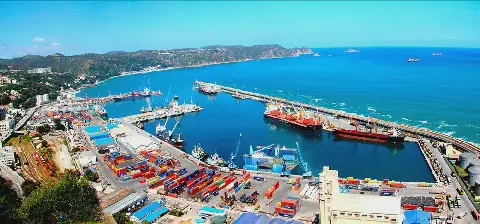
Grynspan's record highlights the intersection of diplomacy and economic development, which is particularly relevant to Africa. She has engaged directly with questions around regional integration, value addition, and the continent's ability to capture more of the value generated by its natural resources. Her experience in operational diplomacy, including the Black Sea Initiative, demonstrates her ability to facilitate complex negotiations.
As the selection process enters its decisive phase, Africa should prioritize finding a leader who can make the UN more effective, rather than simply focusing on geographic representation. The next Secretary-General will need to possess diplomatic stature, political judgement, economic understanding, and negotiating ability to translate areas of agreement into practical action.
Ultimately, the question for Ghana and Africa is not who represents a particular region, but who can help make the UN matter again. The next Secretary-General will need to drive reform, overcome institutional resistance, and produce measurable results. Kofi Annan's legacy offers a useful measure of the qualities required for success in this role.
Key points
- The next UN Secretary-General must be able to adapt to global challenges and make the organization more relevant.
- Africa is seeking a leader who can effectively address issues of economic transformation and development.
- The selection process involves informal straw polls in the Security Council, with the five permanent members holding significant influence over the outcome.