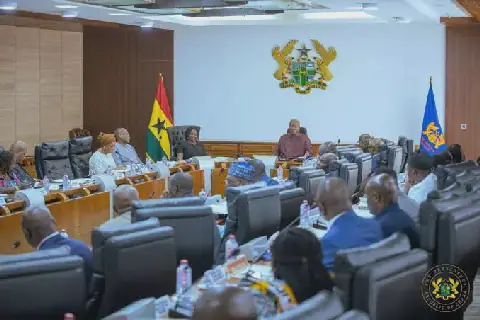
The 81st session of the UN General Assembly recently concluded in New York, with nearly 130 heads of state and government in attendance. However, the event was marked by the absence of several high-profile leaders, including Chinese President Xi Jinping and Russian President Vladimir Putin. The gathering took place against a backdrop of ongoing conflicts and deepening fractures in the international order. Brazilian President Luiz Inácio Lula da Silva set the tone with a strong statement on sovereignty, emphasizing that his country would not be swayed by external interference.
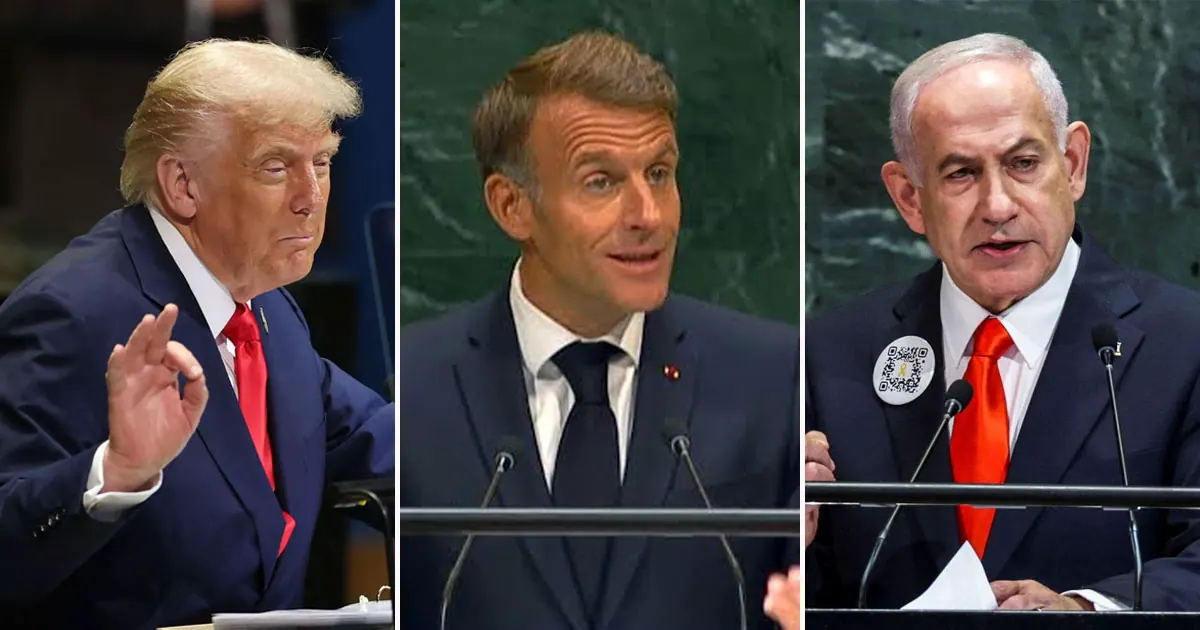
The session featured a notable appearance by former US President Donald Trump, who took to the stage with his characteristic showmanship. Trump's speech was marked by contradictions, veering wildly between threats of violence and promises of potential agreements. He sparked concern with his rhetoric, vowing to "annihilate" Iran and condemning the country to "hell with no chance of survival." However, he later suggested that a "major agreement" could be reached after the US elections, leaving many to question his diplomatic strategy.
French President Emmanuel Macron, in what may have been his final address to the General Assembly, attempted to position himself as a voice of reason and moral authority. He denounced the humanitarian crisis in Gaza as a "spectacle that should shame us all" and criticized Israeli settlement expansion in the West Bank. However, his efforts to balance competing interests were seen as inadequate by some, who argued that he failed to take a firm stance. Macron's words were also undermined by France's decision to allow Israeli Prime Minister Benjamin Netanyahu's plane to traverse French airspace.
Benjamin Netanyahu's speech was met with a walkout by nearly 80 delegations, a stark rebuke of his policies. Undeterred, Netanyahu launched a scathing attack on his critics, accusing them of hypocrisy and dismissing allegations of colonialism. He invoked the legacy of Western empires to justify Israel's actions, a move seen as a cynical attempt to deflect criticism. Netanyahu's stance was widely seen as out of touch with modern international law and the principles enshrined in the UN Charter.
The trio of Trump, Macron, and Netanyahu has been accused of embodying a toxic mix of cynicism and disdain for international norms. Their actions have contributed to a decline in global credibility and a sense of disillusionment with the international system. The boycott of Netanyahu's speech was seen as a powerful statement of conscience by many nations, but some countries that have normalized relations with Israel, such as the UAE and Bahrain, chose not to participate.
The dynamics on display at the UN General Assembly reflect a broader crisis of confidence in international diplomacy. As global powers increasingly prioritize their own interests, the rules-based international order is facing unprecedented challenges. The reluctance of some countries to hold Israel accountable for its actions has raised questions about the efficacy of international institutions and the willingness of some nations to stand up for human rights.
The consequences of this diplomatic malaise are far-reaching, with implications for global stability and security. As world leaders look to the future, they must confront the reality that the current trajectory of international relations is unsustainable. The UN General Assembly may have provided a platform for leaders to air their grievances, but it also highlighted the urgent need for a renewed commitment to cooperation, dialogue, and respect for international law.
Key points
- The 81st UN General Assembly session highlighted the decline of international diplomacy and the erosion of trust in global institutions.
- The speeches of Trump, Macron, and Netanyahu showcased a toxic mix of cynicism and disdain for international norms.
- The boycott of Netanyahu's speech by nearly 80 delegations was a powerful statement of conscience and a rebuke of his policies.