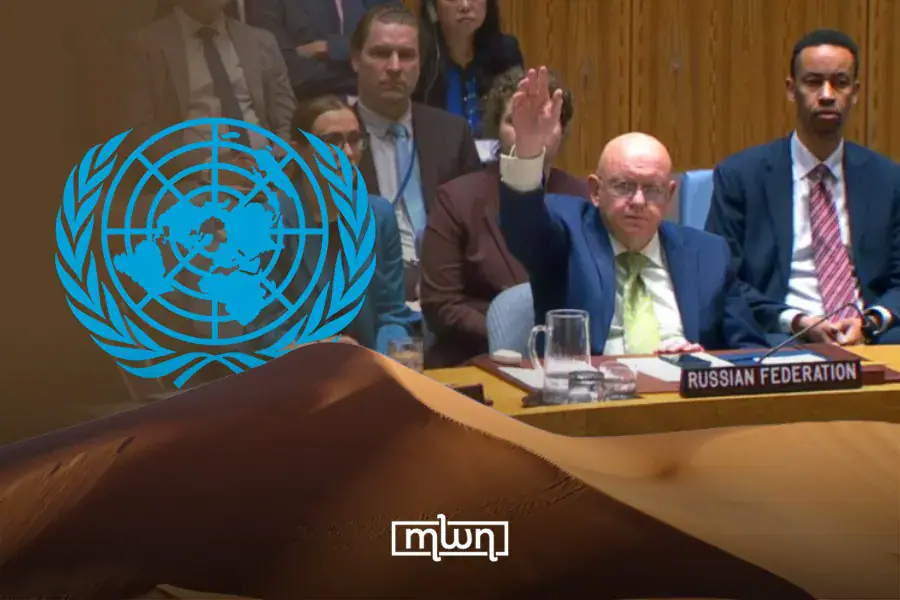
The Russian veto of the US-drafted UN Security Council resolution on Western Sahara has sparked concerns about the impact on the ongoing political process. However, according to Samir Bennis, co-founder and publisher of Morocco World News, the veto will not have any significant implications for Morocco's diplomatic and legal gains. The veto may give Algeria a brief opportunity to celebrate a diplomatic victory, but it will not reverse the profound changes that have taken place in the political process.
The disagreement between the United States and Russia centers on the name of the UN Mission for the Referendum in Western Sahara (MINURSO) and the nature of its future mandate. The US sought to remove the letter "R" from MINURSO's acronym, a reference to the referendum, while Russia insisted on retaining its current name. Russia submitted an alternative draft resolution, which proposes extending MINURSO's mandate for another year, until October 31, 2027, without making any substantial changes to its tasks.
The Russian draft resolution expresses the Security Council's support for the efforts of the UN Secretary-General and his Personal Envoy, as well as those of the United States, to make further progress in the political process. These efforts are guided by the outcome of direct talks held in Washington and Madrid between Morocco, the Polisario Front, Algeria, and Mauritania, with the aim of reaching a just, lasting, and mutually acceptable solution to the conflict.
Despite its opposition to changing MINURSO's name, Russia is not seeking to derail the ongoing political process. Rather, it is proposing that the process continue while maintaining MINURSO's current status. If no new resolution is adopted, the only immediate consequence will be the expiration of MINURSO's mandate. The mission's legal status will remain uncertain until the Security Council reaches a consensus on extending its mandate or redefining its tasks.
The political and legal realities of the conflict leave little doubt that Russia's veto will not erase the changes the issue has undergone in recent years. The growing international momentum behind Morocco's autonomy plan, which is now regarded as the sole basis for negotiations and the framework toward which the political process should lead, will not be halted by Algeria's diplomatic efforts.
The UK, France, and other allies have blasted Russia's veto, warning of a setback in Western Sahara talks. The Royal Cabinet has also stated that the non-renewal of MINURSO's mandate means the mission's presence should end. Morocco's diplomatic and legal gains remain intact, and the country's autonomy plan is gaining traction internationally.
In conclusion, Russia's veto may have given Algeria a brief opportunity to celebrate, but it will not have a lasting impact on the conflict. The ongoing political process will continue, and Morocco's autonomy plan will remain the framework for negotiations. The international community will continue to support efforts to reach a just, lasting, and mutually acceptable solution to the conflict.
Key points
- Russia's veto of the US-drafted UN resolution on Western Sahara will not undermine Morocco's diplomatic and legal gains.
- The disagreement between the US and Russia centers on MINURSO's name and future mandate.
- Morocco's autonomy plan remains the sole basis for negotiations and the framework for the political process.