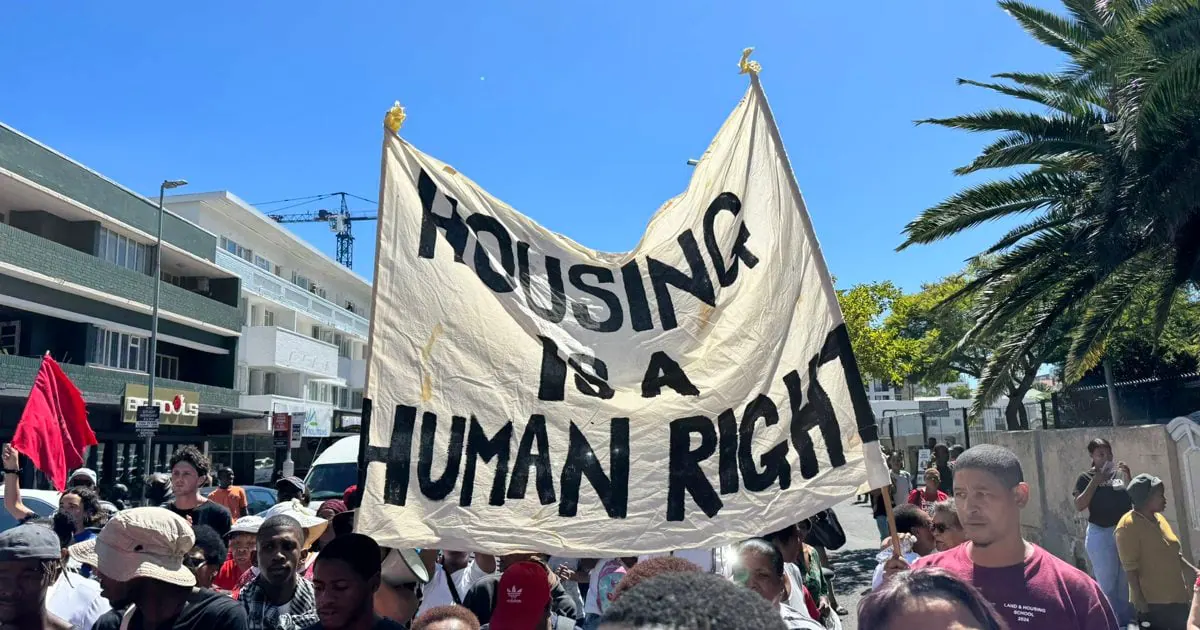
The Western Cape government and the City of Cape Town are facing a critical deadline on October 2, 2026, to file sworn reports detailing their plans to address spatial inequality and deliver affordable housing in Cape Town's inner city and surrounding areas. This follows a landmark Constitutional Court ruling that found the province failed to ensure meaningful public participation in the proposed sale of the Tafelberg School site. The court also found that the provincial government and the city had not done enough to address the legacy of apartheid spatial planning.
The Constitutional Court ordered the two administrations to report back on their affordable housing programs, projects, and policies aimed at improving access to well-located land. The court has indicated that it will assess housing projects already completed, those under construction, and developments still being considered. Social justice organization Ndifuna Ukwazi, which brought the case, has expressed concerns about the lack of affordable housing options for low-income households. The organization wants the government to provide realistic plans for households earning under R3,500 a month who are forced to live far from the city.
Ndifuna Ukwazi spokesperson Yusrah Bardien emphasized the need for the government to prioritize building affordable housing in the inner city. Bardien questioned the government's plans, saying, "We know there are talks about improving public transport, but what about building houses in the inner city that people can afford?" The organization's concerns highlight the challenges faced by low-income households in accessing affordable housing close to jobs, transport, and essential services.
The deadline marks a critical test of the State's commitment to addressing the housing needs of low-income households. The Western Cape government and the City of Cape Town have been criticized for their handling of the Tafelberg site, which was initially proposed for sale for private development. The site has been at the center of a long-running court battle, with Ndifuna Ukwazi and Reclaim the City protesting against the sale.
In February 2025, Reclaim the City and Ndifuna Ukwazi staged a protest at the Tafelberg site, highlighting the need for affordable housing in the area. The protest was part of a broader campaign to push the government to prioritize affordable housing and address spatial inequality. The Constitutional Court's ruling has put pressure on the government to take concrete steps to address these issues.
The Western Cape government has stated that it respects the Constitutional Court's ruling and is committed to addressing the housing needs of low-income households. However, the government still faces a significant challenge in delivering on its promises. With the deadline looming, the government must provide a clear plan for how it intends to tackle spatial inequality and deliver affordable housing in Cape Town.
After submitting their plans, Ndifuna Ukwazi will have the opportunity to respond before any further court proceedings. The organization's response will likely provide further insight into the government's plans and whether they meet the needs of low-income households. The outcome of this case will have significant implications for the delivery of affordable housing in South Africa.
Key points
- The Western Cape government and City of Cape Town must file sworn reports on their affordable housing plans by October 2, 2026.
- The Constitutional Court's ruling found that the province failed to ensure meaningful public participation in the proposed sale of the Tafelberg School site.
- Ndifuna Ukwazi is pushing for realistic plans for households earning under R3,500 a month who are forced to live far from the city.