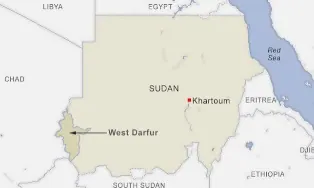
West Darfur State has taken a significant step towards bolstering its governance institutions by graduating a new batch of administrative officers. The officers underwent academic and military training in areas such as strategic planning, administration, public financial management, and criminal justice. This initiative aims to address the shortage of administrative personnel and enhance local governance across the state. The training is expected to equip the officers with the necessary skills to take on responsibilities at the local government level.
The head of the West Darfur Civil Administration, Tigani Al-Tahir Karshoum, highlighted the challenges faced by the state in terms of personnel shortages. He attributed these shortages to the war, which resulted in the loss of several civil service personnel, creating a vacuum within state institutions. Karshoum emphasized that the graduation of administrative officers was intended to provide qualified personnel capable of assuming responsibilities at the local government level. He also stressed the importance of laying the foundations for local governance and consolidating decentralized administration.
Karshoum called for the establishment of a state where all citizens enjoy equal rights and people from marginalized areas participate in governance. He opposed favoritism and patronage, urging the newly graduated officers to uphold justice, redress grievances, and focus on essential services such as education and healthcare. Additionally, he encouraged them to promote social cohesion and unity. Karshoum also criticized the Port Sudan-based government for pursuing policies that fragment society and divide marginalized communities along tribal lines.
The Minister of Investment in the Transitional Peace Government commended the graduation, stating that it marked the beginning of a new phase in efforts to establish the Sudanese state. He emphasized the significant responsibilities placed on the administrative officers, stressing that they must work towards building a state founded on transparency, justice, freedom, and strong institutions. The Minister urged the graduates to adopt the mindset of public servants whose primary responsibility is to serve citizens, rather than viewing their positions as placing them above the people.
West Darfur State Secretary-General Khalil Hamid Daqrushu highlighted the need for qualified administrative personnel with competence, integrity, and capacity to navigate complex circumstances. He emphasized that the administrative officers represent one of the main points through which citizens encounter the state. Daqrushu added that the state is counting on young people and newly trained professionals to build an administrative system capable of addressing challenges, improving government performance, and strengthening a culture of institutional work.
Daqrushu urged the administrative officers to demonstrate responsibility, patience, and wisdom, work collectively, safeguard official information, protect the dignity of citizens, and comply with the laws, regulations, and procedures governing public service. He also emphasized that the new cadre could contribute to security, stability, and development in the state. The Secretary-General's remarks underscored the critical role that the administrative officers are expected to play in shaping the state's governance institutions.
The graduation of administrative officers in West Darfur State marks a significant milestone in the state's efforts to strengthen its governance institutions. The officers are expected to play a crucial role in addressing the challenges faced by the state, including personnel shortages and the need for effective local governance. As the state moves forward, it is expected that the administrative officers will work towards building a state founded on transparency, justice, and strong institutions.
Key points
- The graduation aims to address personnel shortages and strengthen local governance institutions in West Darfur State.
- The administrative officers underwent training in areas such as strategic planning, administration, public financial management, and criminal justice.
- The state is working towards building a state founded on transparency, justice, freedom, and strong institutions.