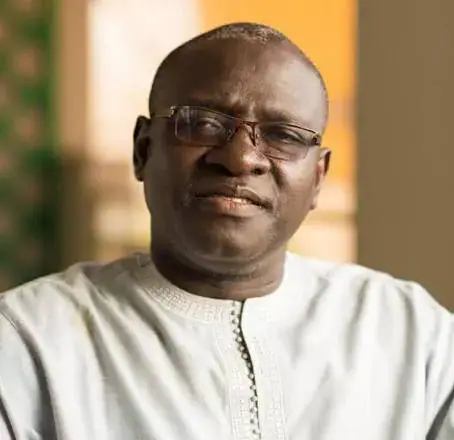
The 45th meeting of the Economic Community of West African States (ECOWAS) Committee of Chiefs of Staff opened in Dakar on Monday. Director of the Timbuktu Institute, Dr. Bakary Sambe, has cautioned that the gathering is more crucial than it seems. He cited the coexistence of two distinct security architectures: ECOWAS, now with 12 members, and the Alliance of Sahel States (AES) with its own unified force.
Dr. Sambe highlighted the continuous terrorist front stretching from the Sahel to coastal countries. The region has seen a surge in attacks in northern Benin and growing threats from JNIM in Kayes. He warned against institutional divisions, noting that armed groups exploit these weaknesses. "Armed groups only have one card; they know the flaws between the two blocs," he stated, posing a significant challenge to military leaders.
The expert advocated for concrete coordination proposals, including interoperability through shared frequencies, border patrols, and mutual logistics. This comes as discussions focus on a validated anti-terrorism brigade from July 2026. Dr. Sambe emphasized avoiding duplication with the AES unified force, which aims for 15,000 personnel, and securing financing through regional resources to reduce external influences.
Dr. Sambe supported a "differentiated and functional" cooperation with Mali, Burkina Faso, and Niger, involving a joint committee of staff facilitated by the African Union. He argued that security needs do not wait for a comprehensive political resolution. The Senegalese position, he noted, is strategic for dialogue, particularly in securing the vital corridor to Mali and establishing joint border management mechanisms.
The meeting, led by Senegalese Armed Forces Chief of Staff Vice-Admiral Oumar Wade, will run until November 18 at Camp Dial Diop. Delegates will participate in Senegal's Armed Forces Day on November 19. The discussions are critical as the region faces escalating terrorist threats and seeks to bolster cooperation among its member states.
Dr. Sambe's warnings and recommendations come as ECOWAS and AES face challenges in coordinating their security efforts. The two blocs have different approaches to addressing terrorism, with ECOWAS focusing on regional cooperation and AES emphasizing a unified force. The outcome of the meeting could significantly impact the region's security landscape.
The gathering in Dakar is a crucial step towards addressing the complex security challenges in West Africa. As the region grapples with growing terrorist threats, the meeting's decisions will be closely watched for signs of strengthened cooperation and a more unified approach to combating terrorism.
Key points
- Dr. Bakary Sambe warns of growing terrorist threats in West Africa and emphasizes the need for concrete coordination proposals among regional military leaders.
Reporting sources
- WalFadjri · WalFadjri