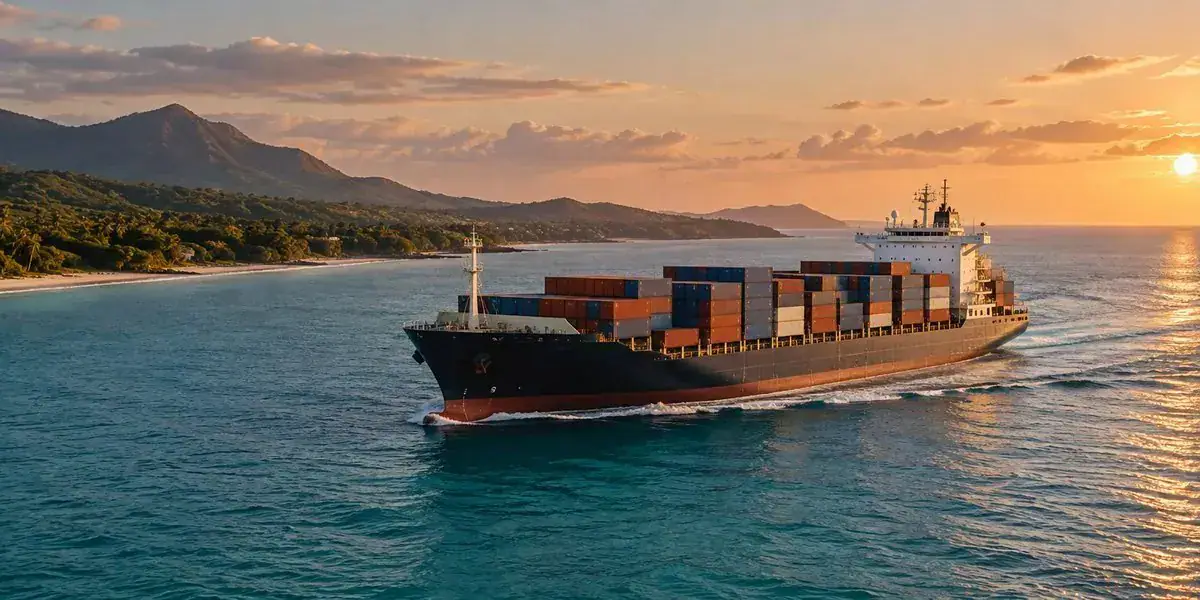
Mozambique has launched a weekly sea route for cabotage, and the pricing strategy for port charges will be crucial in determining its success and potential to expand into a national inclusive distribution network. The country's coastal shipping industry is looking to capitalize on its geographical advantages, but it faces competition from neighboring countries such as South Africa and Tanzania, which already have preferential pricing for coastal shipping.
The importance of coastal shipping in Mozambique cannot be overstated, particularly given the country's road network challenges. The N1 highway, which spans 2,471km, is Mozambique's longest and most important road but is frequently exposed to harsh weather conditions. Recent floods in January necessitated emergency repairs worth $45 million, affecting 145km of severe segments across 713km of the N1. This underlines the need for alternative transportation modes like coastal shipping.
CPG Shipping has initiated a weekly domestic service that connects key ports such as Maputo, Beira, Nacala, Pemba, and Afungi. However, the growth of this service will largely depend on the port charges set by the authorities. According to the Transnet National Ports Authority tariff book for April 2026 to March 2027, a 20-foot container leg for coastwise shipping is charged R83.20, while a 40-foot or 45-foot box pays R166.37, excluding VAT.
In a bid to encourage coastal shipping, bona fide coasters are eligible for a 35% reduction in port dues, subject to certain conditions. Tanzania offers more competitive rates for coastal vessels. For instance, its 2026 sea-port tariff book charges coasters $1.60 for pilotage, compared to $6 for deep-sea vessels per 100 gross registered tonnes. This preferential pricing results in coasters paying roughly 73% to 81% less on those lines.
Mozambique has experience with cabotage discounts. A Cornelder tariff book from April 2012 provided a 60% cabotage discount on shore handling at Beira, although it is unclear if this discount still applies. The effectiveness of Mozambique's cabotage reform will be judged on delivered cost rather than headline discounts. Therefore, a clear and transparent tariff structure for loaded and empty boxes is essential to gain the trust of distributors, manufacturers, and agricultural traders.
The coastal ports could support regional stock and shorter truck runs for businesses, and return cargo is also crucial as empty containers incur costs. Key stakeholders are awaiting a published domestic container schedule for the main ports and any government decision to tender a Mozambique cabotage concession. These developments will signal the future direction of Mozambique's coastal shipping industry.
As Mozambique moves forward with its cabotage plans, the focus will be on creating a competitive and sustainable coastal shipping network. With preferential port charges and a clear tariff structure, the industry could see significant growth, providing a vital alternative to road transportation and supporting the country's economic development.
Key points
- Tanzania charges coasters $1.60 for pilotage against $6 for deep-sea vessels, per 100 gross registered tonnes.
- A Cornelder tariff book from April 2012 provided a 60% cabotage discount on shore handling at Beira.
- Bona fide coasters in Mozambique receive a 35% reduction in port dues, subject to conditions.
Reporting sources
- Mozambique cabotage hinges on cheaper port charges · FurtherAfrica