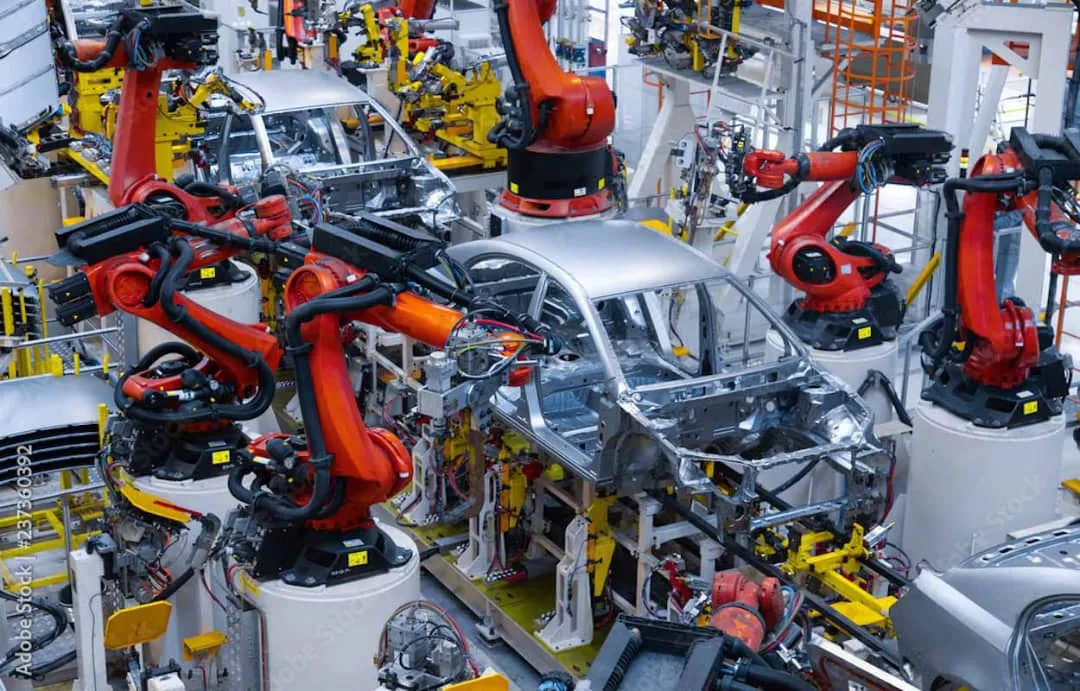
West African countries are striving to develop their automotive industry, with a goal of producing 50,000 vehicles annually by 2028. The region currently imports over 450,000 vehicles per year, mostly used cars. Seven car assembly plants have been established in Nigeria, Ghana, Senegal, and Côte d'Ivoire, with a combined capacity of 100,000 vehicles per year. However, the plants' current production is significantly below capacity.
Nigeria, with a population of over 200 million, has the largest automotive industry in the region. The country's industry is supported by international constructors and uses the "semi-knocked down" vehicle method to meet local demand and reduce reliance on used cars. Despite this, the region's overall production of around 10,000 units per year is a fraction of its potential. The low production levels are attributed to various obstacles, including economic, infrastructural, and policy challenges.
The Economic Community of West African States (ECOWAS) has adopted a regional automotive policy framework aimed at promoting the growth of the industry. The framework, which has been in place for over a decade, seeks to support the development of a competitive automotive sector in the region. However, its implementation has been uneven across member states. According to ECOWAS, only Nigeria, Ghana, Côte d'Ivoire, and Senegal have made measurable progress in implementing the policy.
The ECOWAS Private Sector and Industry Directorate has called for an evaluation of the progress made in implementing the automotive policy framework. This assessment will help identify the main obstacles hindering the policy's effective implementation and inform the development of concrete measures to address these challenges. The goal is to accelerate the growth of the regional automotive industry and achieve the target of 50,000 locally assembled vehicles per year by 2028.
The current low production levels and high import rates highlight the potential for substitution of imports, industrial growth, and job creation in the region. To achieve the desired growth, West African countries will need to address the existing challenges and create a favorable business environment for the automotive industry. This may involve investing in infrastructure, promoting local content, and providing incentives for investors.
The development of a competitive automotive industry in West Africa could have significant economic benefits for the region. It could create new job opportunities, stimulate economic growth, and reduce the region's reliance on imported vehicles. However, achieving these goals will require sustained efforts from governments, private sector players, and international partners.
As the region pushes to develop its automotive industry, stakeholders will be watching closely to see if the 2028 target is met. With the right policies, investments, and strategies in place, West Africa could become a significant player in the global automotive industry. The region's progress in this area will be crucial in determining its economic trajectory in the years to come.
Key points
- West Africa aims to produce 50,000 vehicles annually by 2028.
- The region currently imports over 450,000 vehicles per year, mostly used cars.
- Seven car assembly plants have been established in Nigeria, Ghana, Senegal, and Côte d'Ivoire.