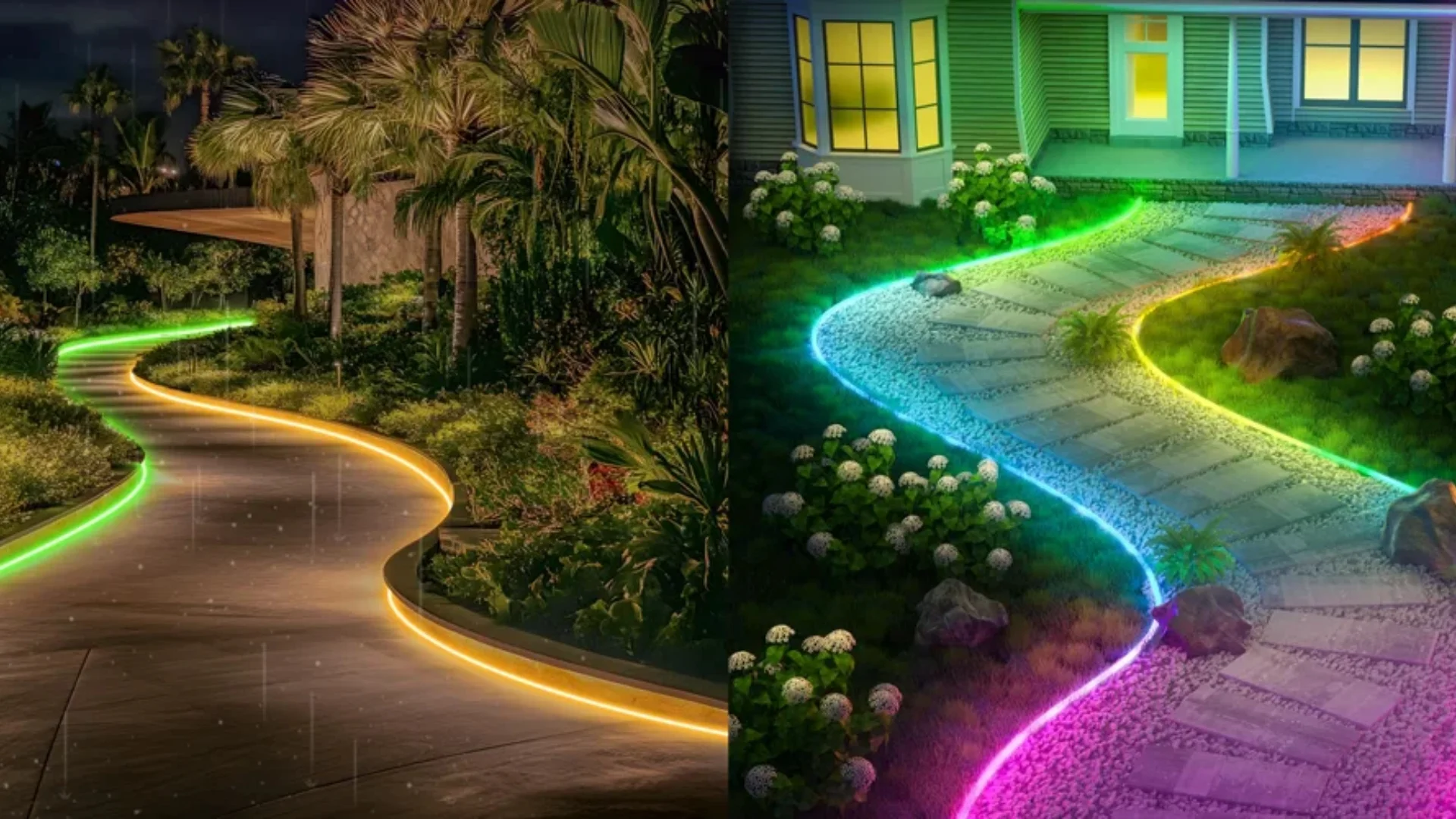
Outdoor lighting plays a crucial role in modern architecture, commercial construction, and public infrastructure in Nigeria and globally. LED strip lighting offers designers considerable flexibility in illuminating building facades, walkways, gardens, signage, bridges, and hospitality spaces. However, outdoor installations face challenges such as rain, humidity, dust, temperature fluctuations, and direct sunlight that can affect lighting performance. Waterproof LED strip technology addresses these challenges by protecting sensitive electrical components from environmental exposure.
Waterproof LED strips are designed with protective materials and construction methods that prevent moisture and environmental contaminants from reaching electrical components. These methods include silicone coatings, protective tubes, sealed housings, or specialized encapsulation. However, not all waterproof LED strips provide the same level of protection. Buyers should evaluate the product's Ingress Protection (IP) rating and confirm it matches the intended installation environment. Choosing an appropriate product from a reliable supplier can help contractors find lighting solutions suited to their project's environmental requirements.
Outdoor lighting systems are exposed to environmental stresses that can affect their performance and lifespan. Rainwater can enter inadequately protected lighting components, causing corrosion, electrical faults, or premature failure. High humidity and condensation can also create problems, particularly when temperature changes cause moisture to accumulate inside poorly sealed installations. Waterproof construction helps reduce these risks by limiting water entry into sensitive components.
Dust and environmental contaminants can accumulate on lighting surfaces and interfere with electrical components if they penetrate the protective enclosure. Outdoor LED strips may experience hot summer conditions, cold winter temperatures, and rapid changes between daytime and nighttime environments. These variations can stress circuit boards, adhesives, protective coatings, and electrical connections. Selecting products rated for expected operating conditions is essential.
Ingress Protection ratings provide useful information about a product's resistance to solid particles and water. IP65-rated products are protected against dust ingress and water projected from a nozzle under specified test conditions. This level of protection may be suitable for certain outdoor architectural features, covered walkways, signage, and installations exposed to rain or occasional water spray. However, IP65 protection does not mean a lighting product is suitable for continuous immersion.
IP68 products are designed for protection against dust and immersion in water under conditions specified by the manufacturer. Buyers should confirm a product's specific immersion limits, installation requirements, and applicable test conditions before using it underwater. Maintaining reliable illumination in demanding conditions also depends on electrical design, thermal management, component quality, and proper installation.
A well-designed LED strip should deliver the required brightness without excessive heat buildup or electrical instability. For long outdoor installations, voltage drop deserves attention. Even a waterproof LED strip can experience problems if its power supply is unsuitable for the installation. Contractors should verify the power supply's environmental rating separately from the LED strip's rating to ensure a compatible power supply.
Key points
- Waterproof LED strip technology protects electrical components from environmental exposure, supporting outdoor architecture and construction.
- Ingress Protection ratings, such as IP65 and IP68, provide useful information about a product's resistance to solid particles and water.
- Proper installation, including compatible power supplies and suitable enclosures, is crucial for maintaining reliable illumination in demanding conditions.