Plateau State Governor Caleb Mutfwang has highlighted the significance of water security in modern governance and human development. Speaking at a National Urban Water Sector Reform Project Coordination and Review Workshop in Jos, he stressed the need for sustainable reforms to increase access to clean water. Mutfwang, represented by his deputy Josephine Piyo, emphasized that water is not just a public utility but a critical component of economic productivity, public health, and social stability.
The governor noted that rapid urbanization has intensified pressure on existing water infrastructure, necessitating a shift from conventional approaches to more strategic, sustainable, and accountable reforms. He emphasized the government's responsibility to provide not only infrastructure but also efficient and sustainable water services. Mutfwang's administration considers water security a fundamental pillar of modern governance and human development, committing to strengthening institutions, infrastructure, and systems to expand access to potable water across the state.
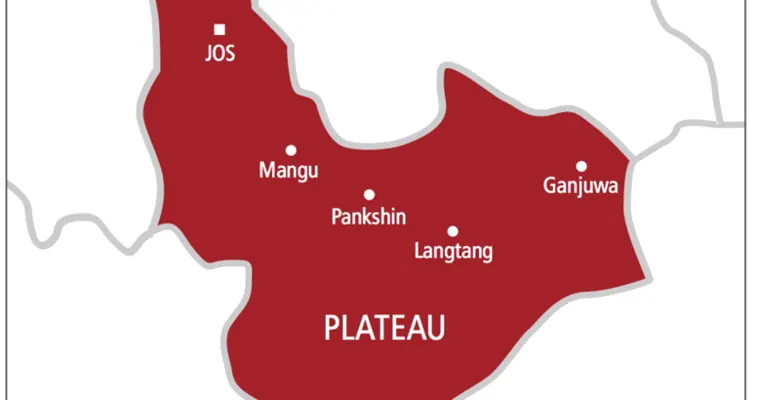
The Plateau State government has implemented various interventions to improve water production, treatment, and distribution. These include expanding municipal reticulation networks, rehabilitating the Yelwa Water Treatment Plant, and reticulating the Mangu Regional Water Scheme. Additionally, the government is rehabilitating and constructing water infrastructure in several areas, including Bokkos, Langtang North, Langtang South, and Wase. The state is also rehabilitating the Yakubu Gowon and Laminga water treatment plants with support from the Agence Française de Développement (AFD).
Mutfwang described the quarterly review workshop as a platform for accountability, peer learning, technical coordination, problem-solving, and strategic realignment. He urged participants to assess progress, identify bottlenecks, share experiences, and develop practical solutions to accelerate delivery. The governor emphasized the need for a critical review of performance indicators, identifying areas requiring urgent intervention, and addressing operational and administrative delays.
The governor stressed that expanding access to potable water requires more than capital investment; it demands strong institutions, effective regulation, sound management, and sustained administrative discipline. He encouraged participants to engage in the deliberations with candour, openness, and a strong commitment to results. The workshop aims to develop practical solutions to challenges confronting Nigeria's urban water sector.
Mutfwang's emphasis on water security aligns with the state's efforts to improve the lives of its citizens. The governor's administration is committed to ensuring that water services are delivered efficiently, consistently, and sustainably. The state's interventions in the water sector demonstrate its dedication to addressing the challenges facing the urban water sector.
The National Urban Water Sector Reform Project Coordination and Review Workshop provides a platform for stakeholders to discuss critical issues affecting the sector. The event enables policymakers, technical experts, and stakeholders to share experiences and develop practical solutions to accelerate delivery. The workshop is expected to yield positive outcomes, ultimately improving access to clean water for Nigerians.
Key points
- - Water security is a fundamental pillar of modern governance and human development. - The Plateau State government has implemented various interventions to improve water production, treatment, and distribution. - Expanding access to potable water requires strong institutions, effective regulation, sound management, and sustained administrative discipline.