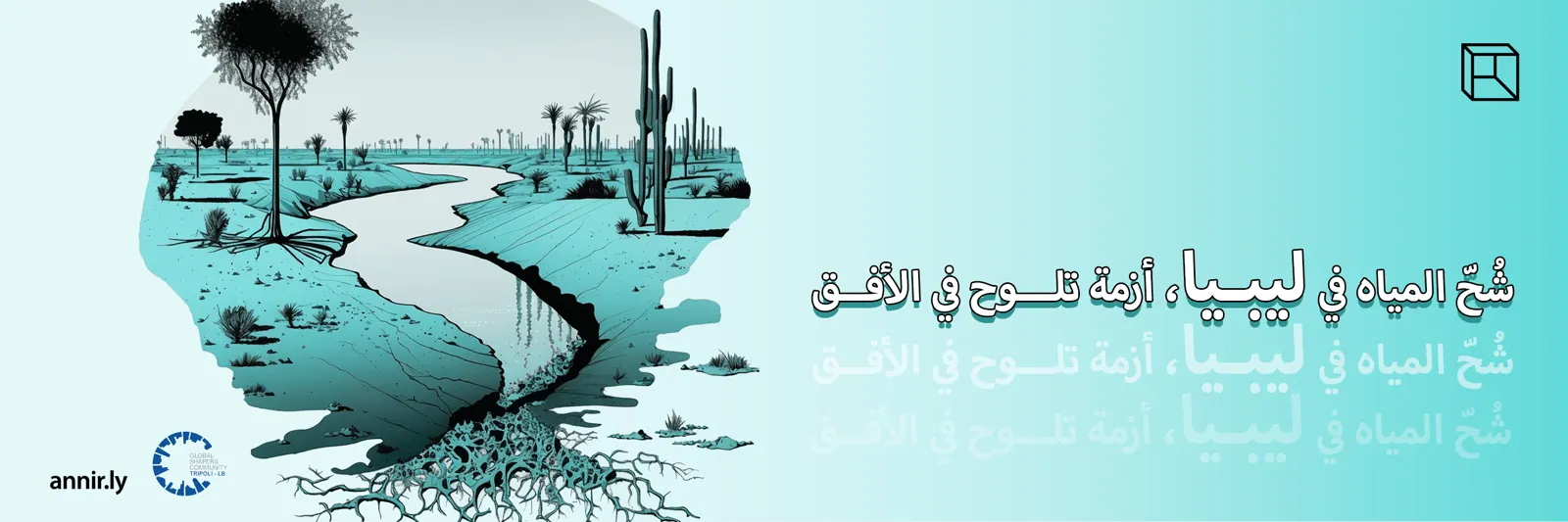
Libya is struggling with a pressing water crisis, with the country's residents consuming more water than their counterparts in neighboring countries such as Egypt, Tunisia, and Algeria. One major factor contributing to this issue is the subsidized water prices in Libya, which are so low that they barely cover the operational costs. As a result, water consumption in Libya far exceeds that of its regional peers.
The management of water supplies in Libya is primarily handled by five institutions: the General Authority for Water, the Great Man-Made River Project, the General Company for Water Desalination, the General Company for Water and Sanitation, and the Ministry of Environment. Libya relies heavily on groundwater, which accounts for 97% of its water supply. The country's water sources include the Great Man-Made River Project, municipal wells, desalination plants, and 75 wastewater treatment plants.
The Great Man-Made River Project, one of the largest water transfer projects in the world, supplies water from the southern region to the coastal areas where most of the population resides. However, the project operates at only 40% of its capacity due to damage from wars and sabotage. Additionally, the project relies on non-renewable groundwater sources, which are finite and cannot be replenished by rainfall.
Libya's water crisis is further exacerbated by the growing demand for water due to population growth and overconsumption. Many Libyan families have resorted to digging private wells to access groundwater, which poses a significant threat to the country's water security. The extraction of groundwater in coastal areas can lead to saltwater intrusion, rendering freshwater sources more difficult to access and affecting agricultural production.
The country's water infrastructure is also facing significant challenges, including damaged pipes and inadequate maintenance. The Great Man-Made River Project has suffered from intentional sabotage and war-related damage, which has compromised its ability to operate at full capacity. Furthermore, many areas in Libya struggle to access clean water, with some regions relying on wells and others facing frequent water shortages.
Climate change is also expected to worsen Libya's water crisis, with rising temperatures and changing precipitation patterns affecting the country's already limited water resources. According to the United Nations, over 4 million people, including 1.5 million children, are at risk of facing severe water shortages if urgent solutions are not implemented. Experts warn that Libya's water resources and infrastructure are on the brink of collapse.
To address the crisis, Libya needs to adopt a comprehensive approach that includes increasing water efficiency, investing in water infrastructure, and exploring alternative water sources such as desalination. The country's authorities must also develop a strategy to manage water resources sustainably and ensure that the population has access to clean and reliable water.
Key points
- Libya's water crisis is caused by a combination of factors, including overconsumption, infrastructure damage, and limited renewable resources.
- The country's reliance on non-renewable groundwater sources and lack of investment in water infrastructure have exacerbated the crisis.
- Climate change is expected to worsen Libya's water crisis, with rising temperatures and changing precipitation patterns affecting the country's already limited water resources.