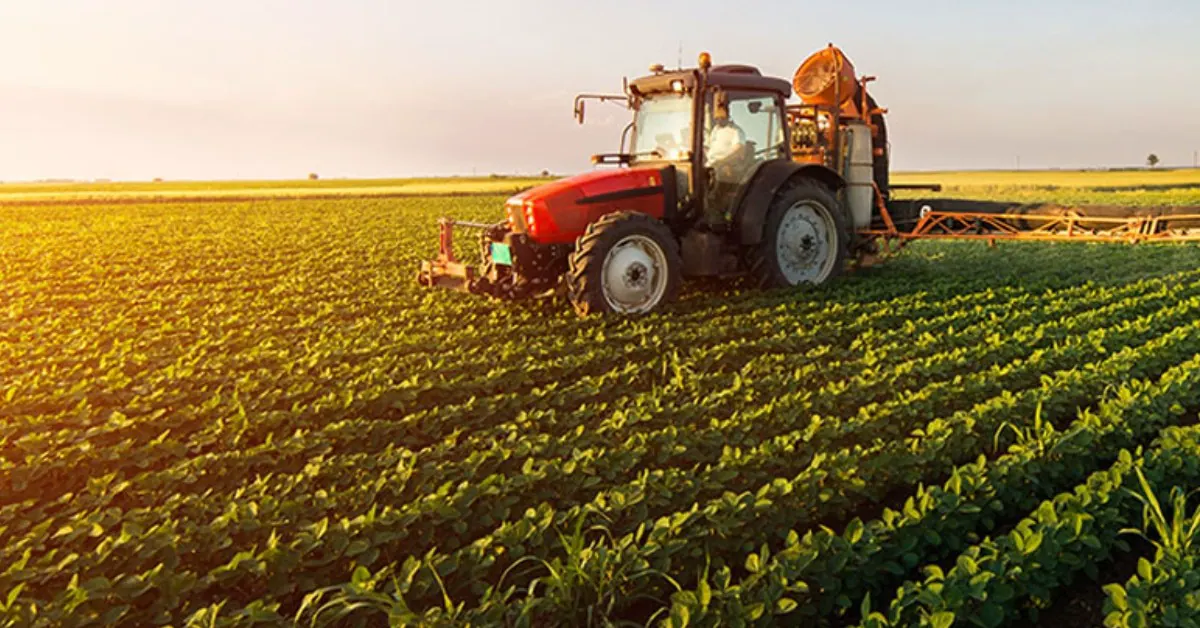
The agricultural sector in Tunisia's Sousse region is grappling with structural challenges, primarily water scarcity and the depletion of deep wells. According to Hassan Ltayef, head of the Sousse Regional Union of Agriculture and Maritime Fishing, urgent intervention from central and regional authorities is necessary to salvage the agricultural season and encourage farmers to continue their activities.
Ltayef emphasized that water resource shortages are a significant issue in Sousse, with drastically reduced water levels in deep wells in public irrigation areas. He called on stakeholders to expedite the drilling of new wells or deepen existing ones to revitalize the water sector and support agriculture in the region. This development has raised concerns about the potential impact on crop yields and food security.
The spread of wild boars has emerged as another pressing concern, causing damage to agricultural production across the region. Ltayef urged the development of a comprehensive national plan to eradicate the wild boar population, which has been affecting farms from the north to the south of Sousse. The situation demands prompt attention to mitigate losses for local farmers and protect the region's agricultural output.
Furthermore, Ltayef warned of the risks associated with the proliferation of the invasive and harmful plant species known as "yellow weed" or "الصفراء". Its spread could exacerbate existing challenges faced by farmers in Sousse, further compromising agricultural productivity. Monitoring and controlling the spread of this plant is crucial to preventing additional damage to crops.
The Sousse region's agricultural sector is at a critical juncture, with multiple factors threatening its viability. Water scarcity, wild boar infestations, and invasive plant species have created a complex situation requiring coordinated efforts from authorities and stakeholders. Farmers in Sousse are anxiously watching the developments, hoping for effective solutions to be implemented soon.
In response to these challenges, Ltayef and other stakeholders are advocating for a multi-faceted approach that addresses both immediate and long-term needs. This includes investing in water infrastructure, developing strategies for wild boar control, and promoting sustainable agricultural practices. The goal is to ensure the resilience of agriculture in Sousse and protect the livelihoods of those dependent on it.
As the situation continues to unfold, the agricultural community in Sousse remains vigilant, seeking support and solutions to overcome these significant hurdles. With the right interventions, there is hope that the sector can recover and thrive, contributing to Tunisia's food security and economic stability.
Key points
- Urgent intervention is required to address water scarcity and wild boar infestations threatening Sousse's agricultural season.
- A comprehensive national plan is needed to eradicate wild boars and control invasive plant species.
- Investing in water infrastructure and sustainable agricultural practices can help ensure the resilience of agriculture in Sousse.