The Algerian Sahara region is experiencing pressing concerns over its water resources. After Biskra reported a significant decline in groundwater levels, a deputy from El Menia has raised alarms about the decreasing water table in his region. This development has brought the issue of water security in the agricultural regions of the South to the forefront. The situation highlights the strain on the region's groundwater due to factors such as low rainfall and increased agricultural withdrawals.
In Biskra, the groundwater level has dropped by over 100 meters in recent years, according to data presented by Deputy Abderrahmane Noui and confirmed by Minister of Hydraulics Lounès Bouzegza. A similar trend is observed in El Menia, where Deputy Abdelhamid Belkhel warned about the decline in groundwater levels and the risks it poses to agricultural sustainability. The concern is that continued depletion could lead to investors abandoning their farms, leaving behind arid lands.
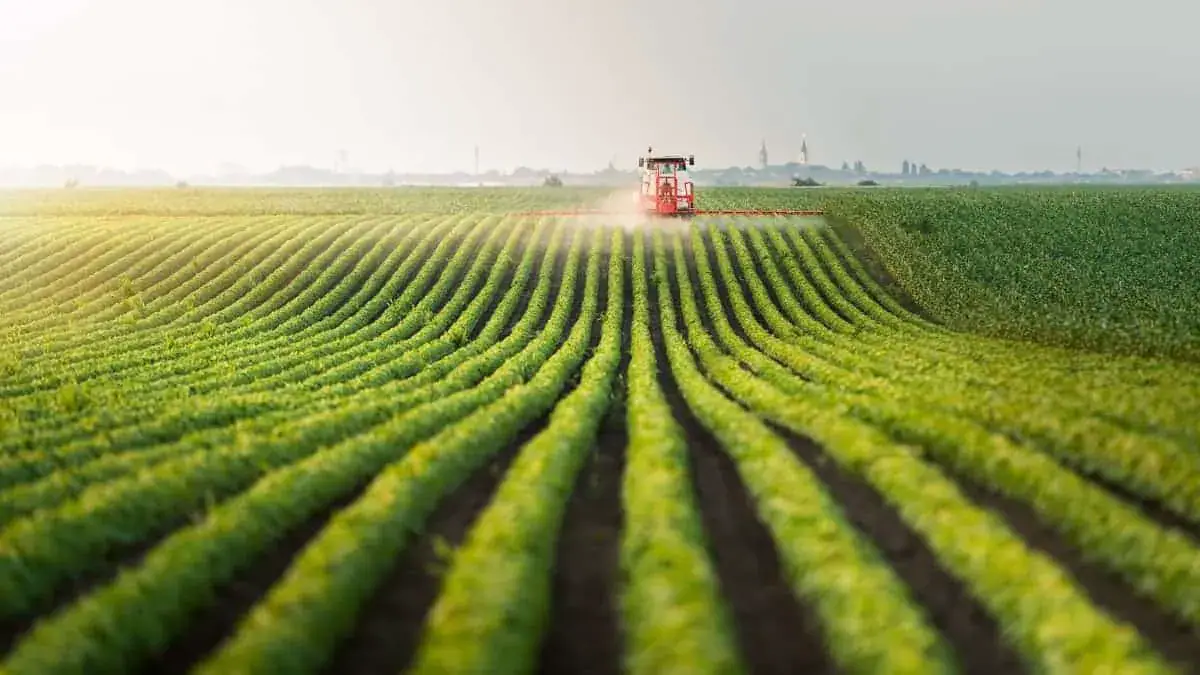
The Algerian Minister of Agriculture, Sid Ali Khaldi, emphasized the need for rational water management in agricultural development. He stressed that expanding cultivated areas must consider the water capacity of each territory, advocating for efficient irrigation techniques and the use of treated wastewater. The ministry aims to strengthen controls on drilling permits and promote water-saving practices to ensure sustainable agriculture.
El Menia's Deputy Belkhel also called for better utilization of the region's agricultural potential, particularly in the vegetable sector. Despite having large agricultural areas, El Menia faces difficulties in supplying vegetables, partly due to a lack of cold storage facilities and wholesale markets. The minister reported that El Menia has 264,729 hectares of agricultural land, producing 1.59 million quintals of vegetables and 186,181 quintals of dates in 2025.
To address these challenges, Deputy Belkhel proposed establishing a pilot sheep farm, leveraging the region's forage potential to boost national red meat production. He also urged the acceleration of infrastructure projects, including cold storage facilities, wholesale markets, and food processing plants. The minister announced plans to study these proposals in coordination with local authorities and parliamentarians.
Minister Khaldi announced a meeting with El Menia's parliamentarians to discuss the concerns raised and plan a field visit to assess the region's agricultural projects and needs. This visit aims to identify solutions to the problems faced and outline development prospects. The proposals, including the pilot sheep farm, will be examined in collaboration with local stakeholders.
The sustainability of Algeria's agricultural model in the Sahara, which relies on strategic crops like cereals and livestock, hinges on preserving groundwater resources while maintaining productivity. The government's response to these challenges will be crucial in ensuring food security and sustainable development in the region.
Key points
- Algeria's Sahara region faces pressing water scarcity issues, with El Menia and Biskra reporting significant declines in groundwater levels.
- The Algerian government emphasizes the need for rational water management in agricultural development to ensure sustainability.
- The region's agricultural potential, particularly in vegetable production, can be better utilized with infrastructure development and efficient practices.