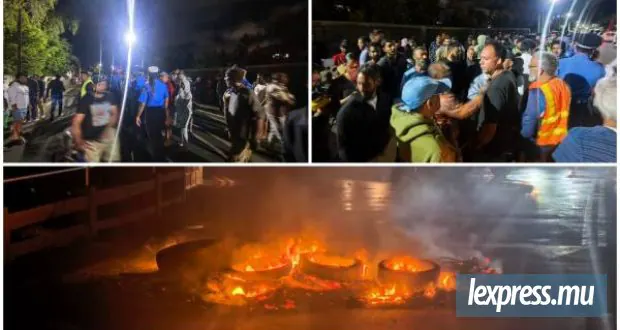
A water crisis has sparked widespread protests in Mauritius, particularly in the La Caverne-Phoenix constituency. On October 7, residents in several areas, including Saint-Paul, Allée-Brillant, Highlands, and Clairfonds No. 1, took to the streets after experiencing a severe shortage of water for several days. The protests began in Saint-Paul, where residents gathered with buckets, basins, and jugs, and a tanker truck was eventually dispatched to provide relief.
The situation escalated as residents demanded more than just temporary relief, calling for the restoration of water supply to their homes. Two junior ministers, Khushal Lobine and Fawzi Allymun, were present at the scene and faced criticism from the residents. The protesters also demanded the presence of Patrick Assirvaden, the Minister of Energy and Public Services, who is responsible for the Central Water Authority (CWA). The tone of the protests turned confrontational, with some residents expressing frustration and anger.
The protests spread to other areas, including Allée-Brillant, where residents braved the rain to block traffic. They placed obstacles, including a mattress, a refrigerator, and barrels, on the road, and a CWA tanker truck was dispatched to the scene. In Highlands, dozens of people gathered and blocked the road with wooden planks and furniture, setting tires on fire. The police and firefighters were present, but the protesters resisted efforts to extinguish the flames.
The protests also reached Phoenix, where residents blocked the avenue Sayed Hossen with burning tires. One resident, Farhaan Koodooruth, expressed the frustration of the community, stating that "there is plenty of water for drugs, but not for the people." The CWA tanker trucks circulated throughout the areas, providing temporary relief, but the protesters remained unsatisfied.
The situation began to calm down around 11 pm, with the tension subsiding, and the roads being cleared. However, the residents continued to demand a lasting solution to the water crisis. Babita Thannoo, a member of parliament, suggested that decentralizing the water distribution system could help mitigate the crisis. She argued that having a source of water in each region could reduce dependence on the centralized system.
The water crisis has affected a significant portion of the population, with 150,000 residents in the Mare-aux-Vacoas region relying on 56,000 cubic meters of water. The crisis has highlighted the need for a more effective and sustainable solution to the water supply issues in Mauritius. The government has faced criticism for its handling of the situation, with some residents calling for more decisive action.
The protests have brought attention to the plight of the residents, and the government is expected to take steps to address the water crisis. The incident has also raised concerns about the potential for similar crises in the future and the need for long-term solutions to ensure a reliable water supply for the population.
Key points
- The protests were sparked by a severe water shortage that had lasted for several days in several areas of Mauritius.
- The situation escalated as residents demanded more than just temporary relief, calling for the restoration of water supply to their homes.
- The government has faced criticism for its handling of the situation, with some residents calling for more decisive action.