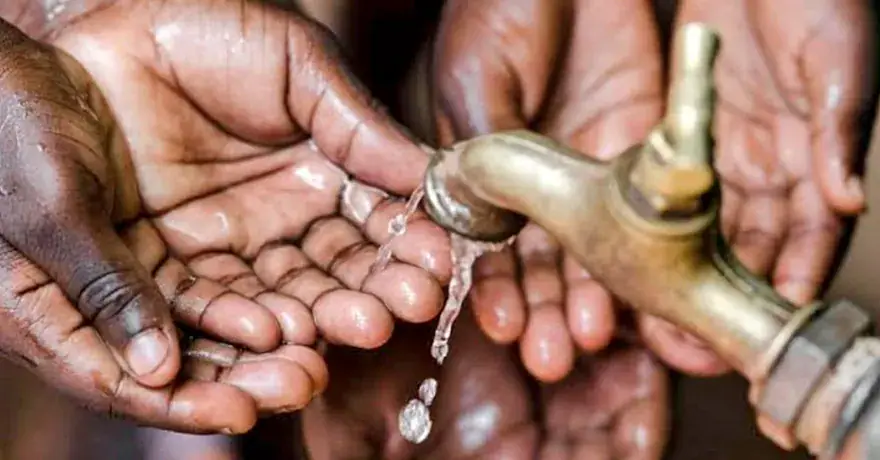
The water crisis in Mauritius has intensified, with many residents struggling to access this essential resource. In Curepipe, a town in the Plaines-Wilhems region, the situation is dire, with some residents going without water for days. Meela, a resident, shared her experience of waking up at 3 am every day, hoping to hear the sound of water flowing from her tap. Her neighborhood has not seen water flow from the taps for an entire week.
The lack of water has significantly impacted daily life, with residents forced to rely on water trucks and stored rainwater. Olivier Manon, a resident of Eau-Coulée, expressed frustration with the inconsistent water supply, stating that his tank is not filling despite the scheduled water deliveries every two days. He attributed the issue to low water pressure and highlighted the challenges of managing daily tasks without a reliable water supply.
Residents are finding ways to adapt, with some using large containers to collect rainwater and others purchasing bottled water. However, the situation is not uniform, with some areas receiving regular water deliveries while others are left without. Sarah, a resident of Rue Commerson, questioned the fairness of the water distribution, noting that some families receive regular water truck deliveries while others are left waiting.
The government has responded to the crisis by implementing emergency measures and long-term solutions. A committee, led by Prime Minister Navin Ramgoolam, met on October 22 to discuss the water crisis and interventions. In the Plaines-Wilhems region, 14 additional boreholes, both state-owned and private, have been mobilized to boost the water supply and enable consistent distribution.
Despite these efforts, residents continue to face significant challenges. In Saint-Paul, Mélanie expressed concern about the stress caused by the water shortages, particularly with daily tasks like laundry piling up. In Réunion Road, a resident lamented the lack of water, which has lasted nearly a week, despite nearby residents receiving regular supplies.
The crisis has also highlighted issues of inequality and fairness in water distribution. A resident in Curepipe noted that his neighbor had installed an illegal pump, allowing them to access water while he was left without. Such incidents have fueled tensions and raised questions about the effectiveness of the current water management system.
As the situation continues to unfold, residents and authorities are working together to find sustainable solutions. The government has announced plans to provide water tanks to residents, with Meela having already applied for one. Meanwhile, residents like Linzy, who runs a small business, are finding innovative ways to cope with the water shortages, using her resourcefulness to prepare food and manage her daily tasks.
Key points
- The water crisis in Mauritius has led to significant disruptions in daily life, with residents relying on emergency measures like water trucks and rainwater collection.
- The government has responded with emergency measures and long-term solutions, including mobilizing additional boreholes to boost the water supply.
- The crisis has highlighted issues of inequality and fairness in water distribution, with some areas receiving regular supplies while others are left without.