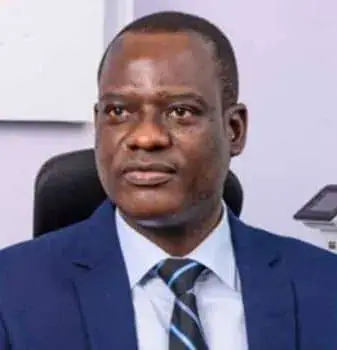
The Nigerian federal government has defended its proposed $21.7 billion external borrowing plan, stating that the funds will be used to finance productive investments in infrastructure and other critical sectors. This move aims to stimulate economic growth, strengthen national productivity, and improve living standards. The Minister of Finance and Coordinating Minister of the Economy, Taiwo Oyedele, emphasized that the proposed financing should be assessed based on the assets to be created and the economic returns expected.
The Federal Executive Council (FEC) meeting, presided over by President Bola Tinubu, approved the borrowing plan amid criticism from former Vice President, Atiku Abubakar, and Peter Obi, the presidential candidate of the Nigeria Democratic Congress (NDC) in the 2027 election. Oyedele clarified that the proposal is a financing plan and does not mean the federal government has already borrowed the money or will necessarily draw down the entire amount. The plan comprises $20.52 billion and €1.045 billion for projects and programmes covering various sectors.
The proposed financing will cover transportation, security, healthcare, agriculture, energy, digital infrastructure, education, and social protection. Transportation infrastructure accounts for approximately $10.6 billion, including major projects such as the Sokoto-Badagry and Lagos-Calabar highways and the Kano-Kaduna rail project. The government is pursuing financing from multilateral and bilateral development partners, alongside other sources, to implement the projects.
The government expects about $7.9 billion from multilateral and bilateral partners, with the World Bank among the major institutions providing support. A $5 billion World Bank component will attract concessional financing at an average interest rate of about 2.1 per cent, while some social-sector loans will carry interest rates of around 2 per cent. The government is prioritizing favourable financing terms to reduce borrowing costs and ensure that the projects deliver lasting economic benefits.
In addition to the borrowing plan, the federal government has set a target of achieving a single-digit inflation rate by the end of 2027. The Minister of Finance disclosed that inflation has declined to 14.63 per cent in September, indicating a downward trend. The government is intensifying efforts to stabilize prices and sustain economic growth.
The FEC also approved N594.49 billion for eight road projects nationwide, as part of efforts to improve infrastructure and facilitate economic growth. Furthermore, the government has initiated moves to fortify airports against Ebola and other pathogens, underscoring its commitment to public health and safety.
However, some critics, including Governor Seyi Makinde of Oyo State, have expressed concerns that the borrowing plan could mortgage Nigeria's future. The government has assured that the funds will be used judiciously to drive economic growth and improve the lives of Nigerians. The budget for the 2024 fiscal year is expected to be ready by December.
Key points
- The federal government has defended its $21.7 billion external borrowing plan, stating that the funds will finance productive investments in infrastructure and critical sectors.
- The government targets a single-digit inflation rate by the end of 2027.
- The FEC approved N594.49 billion for eight road projects nationwide.