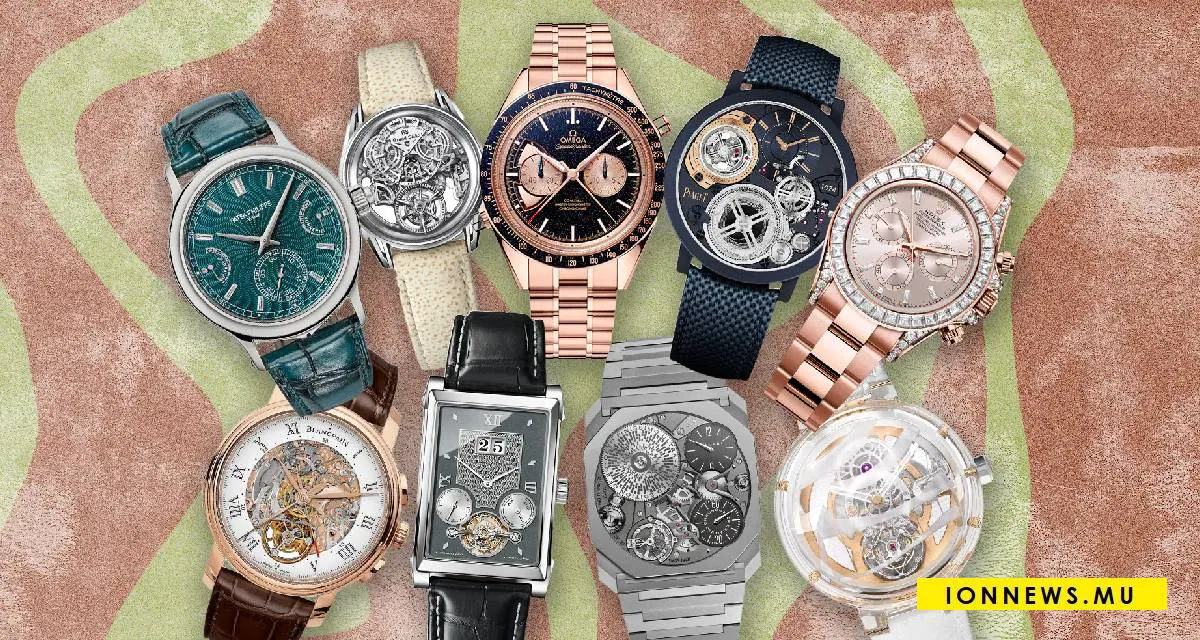
The watch industry is undergoing a significant transformation, moving away from the dominance of steel sports watches and the frenzy of hard-to-find models. Instead, it is embracing a more restrained approach, focusing on elegance and tradition. Collectors and occasional enthusiasts are now seeking timepieces that convey a genuine personality, where form and color take precedence over mere ostentation. This change is reflected in the decreasing diameter of watch cases, with 36-39 millimeters becoming the new standard.
The industry is witnessing a resurgence of 1970s-style watches, characterized by bicolor designs that combine steel and gold. The return of leather straps is also notable, temporarily supplanting integrated metal bracelets in favor of a more classic and warm elegance. This shift towards traditional materials and designs is a departure from the recent trend of bold, statement pieces. As a result, watches are now more versatile and suitable for various wrist sizes and styles.
Watch dials are now showcasing unprecedented creativity, with bold colors and textured finishes. While amber, salmon, forest green, and deep blue hues remain popular, textured or skeletonized finishes that reveal the movement's inner workings are gaining traction. These designs appeal to a public seeking artisanal transparency and a deeper connection to the watchmaking process. By emphasizing craftsmanship and technical expertise, watchmakers are redefining the modern watch as a statement of identity and heritage.
According to reports from major watch fairs like Watches & Wonders, buyers are increasingly prioritizing heritage value, durable mechanics, and technical precision over fleeting fashion trends. This shift in consumer preferences has led to a renewed focus on traditional watchmaking techniques and the preservation of horological expertise. As a result, modern watches are no longer just time-telling devices but also storytellers, conveying the artistry and craftsmanship that goes into their creation.
The trend towards understated elegance and tradition is also reflected in the types of watches being produced. Large chronographs with cases over 42 millimeters are giving way to more proportionate and elegant designs. This change is driven by a desire for watches that are both versatile and timeless, rather than merely fashionable. By adopting more classic proportions and materials, watchmakers are creating timepieces that will remain relevant for years to come.
The emphasis on heritage value and technical precision is also influencing the way watches are designed and marketed. Brands are now highlighting the craftsmanship and expertise that goes into creating each timepiece, rather than relying solely on marketing gimmicks. This approach resonates with collectors and enthusiasts who value the art of watchmaking and seek to own a piece of horological history.
As the watch industry continues to evolve, it is clear that the focus on understated elegance and tradition is here to stay. With buyers prioritizing value, durability, and technical precision, watchmakers are responding by creating timepieces that are both beautiful and meaningful. By combining classic designs with modern materials and techniques, the industry is ensuring a bright future for the art of watchmaking.
Key points
- The watch industry is shifting towards understated elegance and tradition, with a focus on aesthetic research and a return to classic designs and materials.
- Buyers are prioritizing heritage value, durable mechanics, and technical precision over fleeting fashion trends, driving a renewed focus on traditional watchmaking techniques.
- The trend towards smaller watch cases, leather straps, and textured dials reflects a desire for versatility, timelessness, and artisanal transparency.