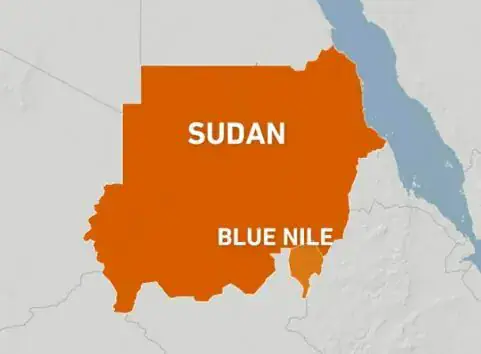
The healthcare crisis in Sudan's Blue Nile region has worsened due to ongoing war and displacement, with several health facilities forced out of service. The region's director-general of health reported that all health service facilities across Blue Nile had ceased operating, except those in the Agedi area. This has disrupted the delivery of specialist services by Ministry of Health personnel and undermined the authorities' ability to sustain healthcare provision.
Damazin Teaching Hospital, which receives growing numbers of patients and displaced people, faces intensifying challenges in securing medicines and meeting healthcare needs. Dr. Jihad Abdelghani, a general practitioner at the hospital, noted that the growing patient load has led to shortages of some medicines, particularly malaria drugs. Patients are consequently forced to buy them from outside pharmacies at inflated prices, with a single dose of artesunate costing between 18,000 and 20,000 Sudanese pounds.
Patients in Blue Nile face significant difficulties accessing treatment, particularly those arriving from areas affected by fighting. One patient, who had contracted dengue fever multiple times, described struggling to obtain medication, including Panadol IV fluid and Artesunate treatment. He called for all medicines to be covered by health insurance to enable residents to access better health and well-being.
The war has also forced some healthcare facilities to suspend operations, with Dr. Mustafa Jabrallah, director-general of the Blue Nile Ministry of Health, reporting that the ministry had worked to rehabilitate and reopen hospitals in Kurmuk, Geissan and Wad Al-Mahi, but they were subsequently forced out of service again. The health sector faces funding shortfalls and shortages of medical supplies, undermining the continuity of healthcare services.
In displacement shelters, the health crisis has taken on additional dimensions, with residents facing a lack of basic services and limited access to medical care. At Al-Karama 3 camp in Damazin, displaced people face difficulties accessing essential healthcare amid harsh living and humanitarian conditions, with Bakri Khalifa, a member of the camp's displaced people's committee, warning of deteriorating sanitary conditions.
The healthcare crisis in Blue Nile has significant consequences for patients and displaced people, particularly those with urgent medical needs. Dr. Abdelghani warned that difficulties traveling from rural areas to hospitals in urban centers, coupled with security risks along the roads, could put patients' lives at risk, particularly pregnant women, children and older people.
To address the healthcare crisis, there is an urgent need to increase funding and medical supplies, restore non-operational health facilities and improve sanitary conditions in hospitals and displacement shelters. Umm Sajid, a patient accompanying a family member, urged the government and relevant authorities to pay greater attention to Damazin Teaching Hospital, assess its needs and improve cleanliness and sanitation within the facility.
Key points
- The healthcare crisis in Blue Nile is exacerbated by shortages of medicines and funding, with several health facilities forced out of service.
- Patients face significant difficulties accessing treatment, particularly those arriving from areas affected by fighting.
- There is an urgent need to increase funding and medical supplies, restore non-operational health facilities and improve sanitary conditions in hospitals and displacement shelters.