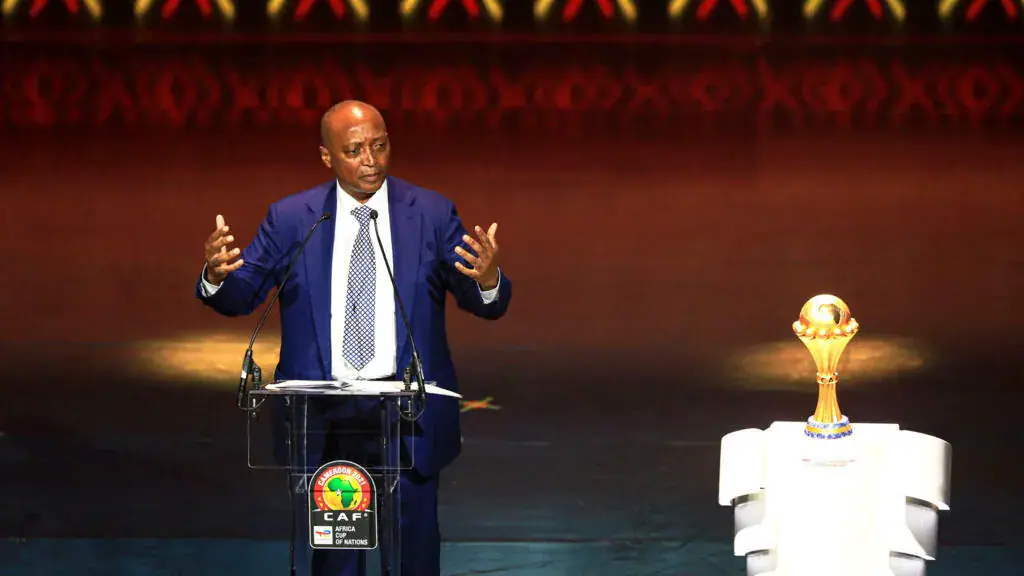
The Confederation of African Football (CAF) has announced that the Africa Cup of Nations (CAN) will continue to be held every two years. This decision was made at a meeting of the CAF executive committee on October 29, 2026, and reverses a previous plan to hold the tournament every four years starting from 2028. The biennial rhythm has been a tradition for the CAN, and the new decision ensures that this format will continue.
The decision to maintain the biennial CAN was made after extensive consultations, including a strategic conference held in Cape Verde from October 7-9, 2026. CAF president Patrice Motsepe cited financial considerations as a key factor in the decision. The CAN is a major source of revenue for the organization, and it would take several years for the proposed African Nations League to generate equivalent revenue.
The African Nations League is still on the agenda, with a planned launch in 2029. The competition will feature 54 national teams divided into four zones. While the CAN will continue to be held every two years, the future of the tournament's format remains a topic of discussion. The CAF had previously considered expanding the CAN to 28 teams, but no official decision has been made on this proposal.
The next edition of the CAN is scheduled for the summer of 2027 and will be hosted by Kenya, Tanzania, and Uganda. The decision to maintain the biennial CAN is seen as a response to the complex and often contentious issue of international football calendars. The CAF had to balance the interests of African football associations with those of European clubs, which often face disruptions to their schedules due to the CAN.
The CAN is a premier football competition in Africa, and its scheduling has significant implications for the sport on the continent. The decision to maintain the biennial rhythm ensures that the tournament will continue to be a major event in the African football calendar. The CAF will continue to work with its member associations and other stakeholders to ensure the success of the CAN and other competitions.
The reversal of the decision on the CAN's format is a significant development in African football. The CAF's decision reflects the complexities and challenges of organizing major international competitions. The organization must balance the interests of various stakeholders, including football associations, clubs, and sponsors, while also ensuring the success and integrity of its competitions.
The CAF's decision on the CAN's format has significant implications for the future of African football. The organization will continue to work on implementing its plans for the CAN and other competitions, including the African Nations League. The success of these competitions will depend on the CAF's ability to balance the interests of various stakeholders and ensure that the tournaments are well-organized and competitive.
Key points
- The CAF has decided to maintain the Africa Cup of Nations at a biennial rhythm, reversing a previous decision to hold the tournament every four years.