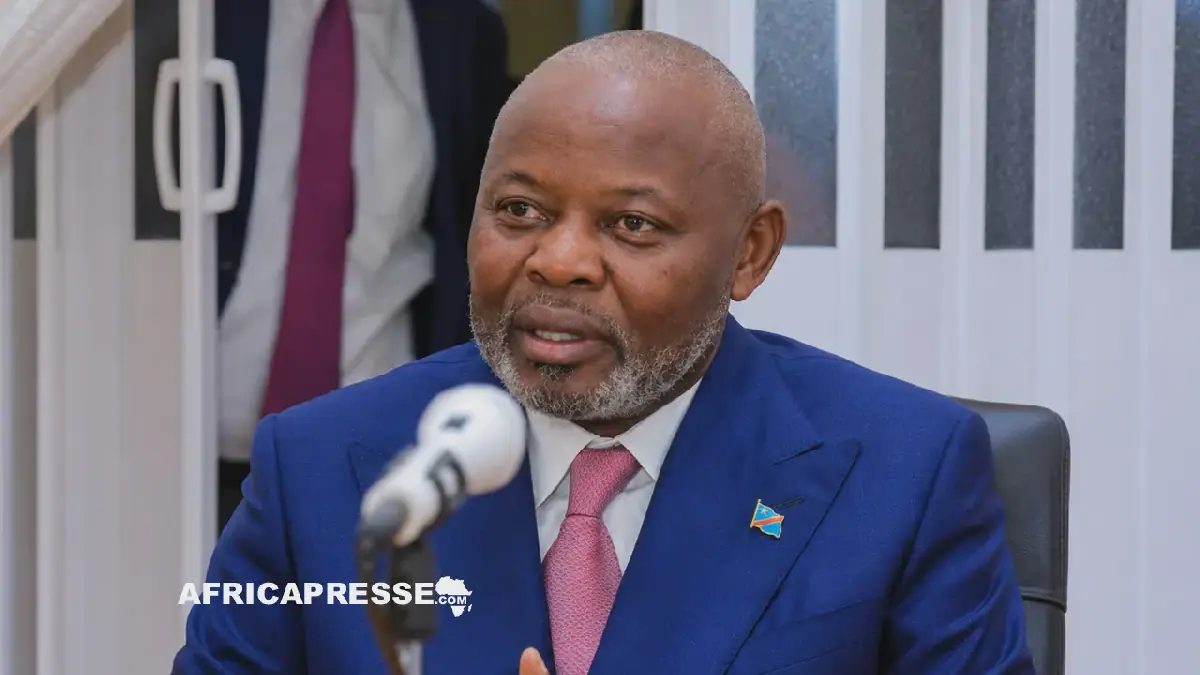
Vital Kamerhe, president of the Union for the Congolese Nation (UNC), has sparked controversy within his own party with his recent comments on the conflict in eastern Democratic Republic of Congo. At the party's political rentrée last week, Kamerhe questioned the effectiveness of military spending in the region, stating, "À quoi tous ces milliards ont-ils servi ? Dites-moi une seule ville récupérée…" His remarks have been met with backlash from several high-ranking party members, who have publicly disavowed him.
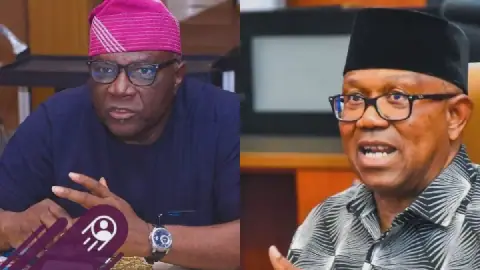
The dissenting party members, including a senator, deputies, and a minister, released a communiqué criticizing Kamerhe's comments as incompatible with the party's stance. They have urged him to retract his statements, which they believe undermine the party's line. This internal conflict comes at a time of heightened tensions in the region, where the conflict has been ongoing for decades and has involved various rebel groups and foreign forces.
Kamerhe's comments have touched a sensitive nerve in Kinshasa, where the military is often accused of lacking resources and being poorly governed. By publicly criticizing the conduct of the war, Kamerhe has challenged a key aspect of the government's policy, while also professing loyalty to the president. The party has not yet taken disciplinary action against the signatories of the communiqué, instead opting for internal dialogue.
The crisis has exposed the power dynamics within the presidential majority, with Kamerhe's party members signaling that loyalty to the head of state takes precedence over party solidarity. Kamerhe now faces the challenge of maintaining the trust of the government while preserving his autonomy and avoiding being seen as an opponent of the war effort.
Kamerhe's remarks on military spending may resonate with the public, who are increasingly frustrated with the protracted conflict. However, his critics may view his comments as a political calculation rather than a genuine concern. The debate over the conflict in eastern Congo has become entangled with internal positioning, detracting from a more in-depth discussion of the country's military strategy.
The situation is further complicated by Kamerhe's history as a former ally of the government, and his continued association with the presidential majority. His critics argue that this ambivalence undermines his credibility, while his supporters see him as a legitimate voice calling for greater accountability.
As the situation unfolds, it remains to be seen how Kamerhe will navigate this internal crisis and its implications for his party and the broader government. The controversy highlights the deep-seated divisions and challenges facing the country as it grapples with the ongoing conflict in eastern Congo.
Key points
- Kamerhe's comments have sparked a backlash from within his own party, with some members accusing him of undermining the party's stance on the conflict.
- The controversy has exposed the power dynamics within the presidential majority, with loyalty to the head of state taking precedence over party solidarity.
- The debate over the conflict in eastern Congo has become entangled with internal positioning, detracting from a more in-depth discussion of the country's military strategy.