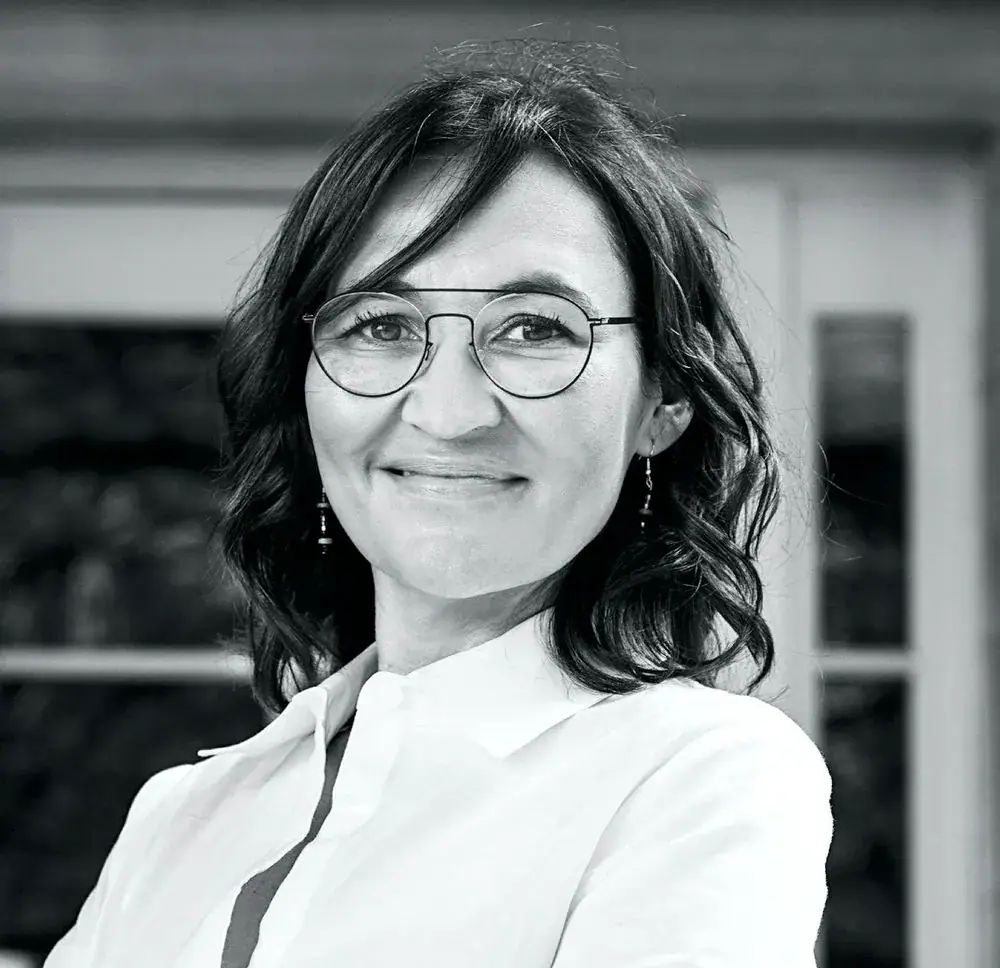
In South Africa, names carry significant historical and social weight. Professor Síona O’Connell, based at the Centre for the Study of the Afterlife of Violence and the Reparative Quest (AVReQ) at Stellenbosch University, explores the complexities of naming in her article. She shares her personal experience of having an uncommon name, Síona, which often poses challenges for others. To simplify interactions, she sometimes allows people to call her Sam, a name that saves time but also reflects a deeper societal issue.
The history of naming in South Africa is closely tied to the country's colonial and slavery past. The first enslaved people arrived in 1658, and many lost their original names, being renamed by their owners instead. Historian Robert Shell studied over 4,000 records of slaves being sold and transferred at the Cape, revealing that some enslaved people were given names of gods, emperors, and generals from the ancient world, while others were named after months or places of origin. These names often reflected the power dynamics of the time.
The sociologist Orlando Patterson argued that renaming was a key aspect of natal alienation, the process of cutting enslaved people loose from their kin and ancestors. A new name marked a person as property, stripping them of their identity. This legacy of renaming continued beyond slavery, with missionaries and teachers assigning English names to Black South Africans during the colonial era. Nelson Mandela, for example, received his English name from a teacher on his first day of school.
The impact of colonial and missionary naming practices is still felt today. Researchers Seannah Head and Sipho Dlamini from the University of Johannesburg found that Black university students often experienced difficulties with their names during their school days. Some teachers found certain names too long or complicated, making remarks that implied Black names were inferior. These experiences can accumulate, leading students to feel less welcome and valued.
Professor O’Connell reflects on the significance of getting names right, highlighting that it requires effort and attention. When someone takes the time to learn and pronounce her name correctly, it makes her feel valued and included. This experience is not unique to her; many people in South Africa have learned to adapt their names to make interactions easier. However, this adaptation can also be seen as a way of disappearing, losing one's identity in the process.
The legacy of renaming and misnaming continues to affect South Africans today. For many, names are a connection to their heritage and family history. Professor O’Connell's own search for the origins of her surname, van Schalkwyk, has led her to explore her family's history and the complex web of relationships between colonizers and enslaved people. Her research has taken her to the Netherlands, where she discovered the village of Schalkwijk, which may hold clues to her family's past.
Ultimately, the power of a name lies in its ability to connect us to our past, our culture, and our identity. As Professor O’Connell notes, getting a name right is a matter of making an effort, and it can have a profound impact on a person's sense of belonging. By valuing and respecting names, we can work towards a more inclusive and equitable society.
Key points
- The legacy of colonial and missionary naming practices continues to impact South Africans today.
Reporting sources
- The power of a name: Why getting it right matters · Cape Argus