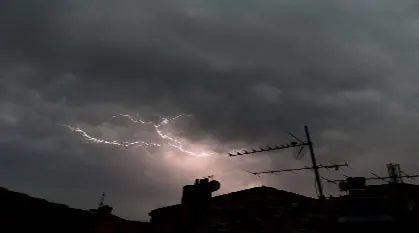
A violent storm swept through Algeria's center on Wednesday night, bringing with it scorching heat, strong winds, and heavy rainfall. The storm caused significant damage, leaving the city of Tizi-Ouzou without electricity or water. The combination of extreme weather conditions and infrastructure disruptions created a perfect storm of misery for residents in Kabylie and other parts of the country.
The storm resulted in the collapse of a high-voltage power transmission tower in Thala Bounane, located in the commune of Béni Aïssi. This caused substantial damage to the power transmission and distribution network, affecting several areas, including the city of Tizi-Ouzou, Makouda, and Mizrana. According to the Algerian electricity distribution company, SDC, the repairs to the damaged tower would take three days to complete.
The SDC reported that the power outage affected approximately 10,000 subscribers across the region. The storm not only damaged the power transmission lines but also caused disruptions to the water distribution network. The collapse of the power transmission tower led to the shutdown of the water treatment plant, which in turn halted the supply of water from the Taksebt dam to three provinces: Tizi-Ouzou, Algiers, and Bouira.
The Algerian water distribution company, ADE, confirmed that several regions were impacted by the water supply disruptions. The affected areas included Tizi-Ouzou, Draâ Ben Khedda, Tirmitine, Sidi Namane, Tigzirt, Makouda, Mizrana, Iflissen, Aghribs, Azeffoun, Akerou, Tizi Rached, Mekla, Souama, Fréha, Azazga, Maâtkas, and Béni Zmenzer. The ADE assured that repair work was underway and that the water supply would be restored once the power was fully restored.
The SDC mobilized its maintenance teams to repair the damaged power infrastructure. The company's efforts focused on restoring power to the affected areas as quickly as possible. The storm highlighted the vulnerability of Algeria's infrastructure to extreme weather conditions and the need for robust measures to mitigate the impact of such events.
The extreme weather conditions in Kabylie were part of a larger pattern of severe weather affecting the region. The combination of high temperatures, strong winds, and heavy rainfall created a challenging environment for residents and infrastructure alike. The incident underscored the importance of preparedness and resilience in the face of extreme weather events.
As the region began to recover from the storm, residents and authorities alike reflected on the importance of infrastructure resilience and emergency preparedness. The incident served as a reminder of the need for continued investment in infrastructure and disaster response measures to minimize the impact of extreme weather events on communities.
Key points
- The storm caused significant damage to power and water infrastructure, affecting approximately 10,000 subscribers and multiple regions in Kabylie.
- The repairs to the damaged power transmission tower were expected to take three days to complete.
- The incident highlighted the need for robust infrastructure and emergency preparedness measures to mitigate the impact of extreme weather events.