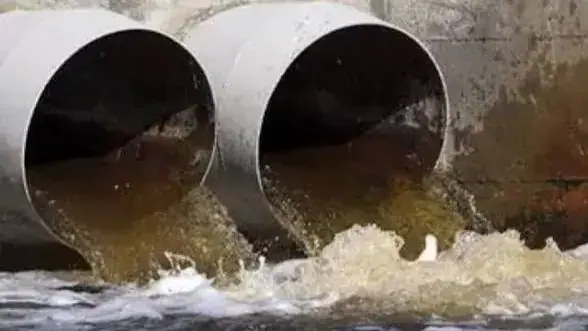
In Lubumbashi, Democratic Republic of Congo, communities affected by mining pollution are marking the one-year anniversary of the disaster with ongoing demands for compensation. On November 4, 2025, over 2.5 million cubic meters of wastewater containing heavy metals were released into the environment, impacting the neighborhoods of Kasapa, Kamatete, and Kamisepe. The incident has had lasting effects on the local population, with many still waiting for reparations.
The Institut de recherche en droits humains (IRDH) and partner organizations, including Meda Mapendo, Horizon Kasapa, and Action pour la justice et les Droits humains (AJD), have criticized the slow pace of compensation and the lack of transparency in the investigation. According to the organizations, the Congolese government had ordered the mining company, Congo Dongfang International Mining (CDM), to pay $6 million in collective reparations and $682,067 in individual compensations. However, the communities have yet to receive these payments.
The IRDH and its partners have also expressed concerns about the resumption of CDM's mining activities, which they claim was done without public explanation or justification. The organizations argue that this move contravenes the conditions set by the authorities, which included measures to protect the affected populations and prevent future environmental risks. Eight specific requirements were established, including the provision of healthcare services and the installation of water treatment facilities.
The affected communities are still awaiting the conclusions of the inter-ministerial commission tasked with assessing the damage and potential health impacts of the pollution. The report is expected to provide critical information on the extent of the damage and inform future actions to mitigate the effects of the pollution. The IRDH and its partners emphasize the importance of long-term health monitoring and care for those exposed to the toxic wastewater.
The mining company, CDM, was required to implement several measures to prevent future incidents and protect the local population. These included the signing of a written commitment to provide healthcare services for at least five years, the installation of epidemiological monitoring systems, and the provision of access to clean water. However, the organizations claim that these conditions have not been met.
The IRDH and its partners have accused the authorities of "passive complicity" in the face of CDM's non-compliance with the regulations. They are calling for the immediate publication of the investigation report, the payment of collective and individual reparations, and the full implementation of the measures imposed on the mining company. The organizations argue that these actions are essential to ensuring justice and protecting the rights of the affected communities.
The incident has highlighted the need for greater accountability and transparency in the mining sector in the Democratic Republic of Congo. The country's regulatory framework requires mining companies to adhere to strict environmental and social standards, but the Lubumbashi incident has raised questions about the effectiveness of these regulations. The IRDH and its partners are pushing for stronger enforcement of the regulations and greater protection for local communities.
Key points
- The victims of the Lubumbashi mining pollution are still awaiting compensation and an official investigation report one year after the incident.
- The IRDH and its partners have criticized the slow pace of compensation and the lack of transparency in the investigation.
- The organizations are calling for the immediate publication of the investigation report, the payment of collective and individual reparations, and the full implementation of the measures imposed on the mining company.