The Bayouda tribe in North Sinai has a rich social and cultural heritage, as evident in their wedding celebrations. The festivities, which lasted for several days, were attended by members of the tribe, public figures, and guests from different regions, including Jordan and Marsa Matruh. The celebrations showcased the tribe's strong social bonds and commitment to preserving their traditions. The event was a testament to the tribe's resilience and determination to preserve their cultural identity.
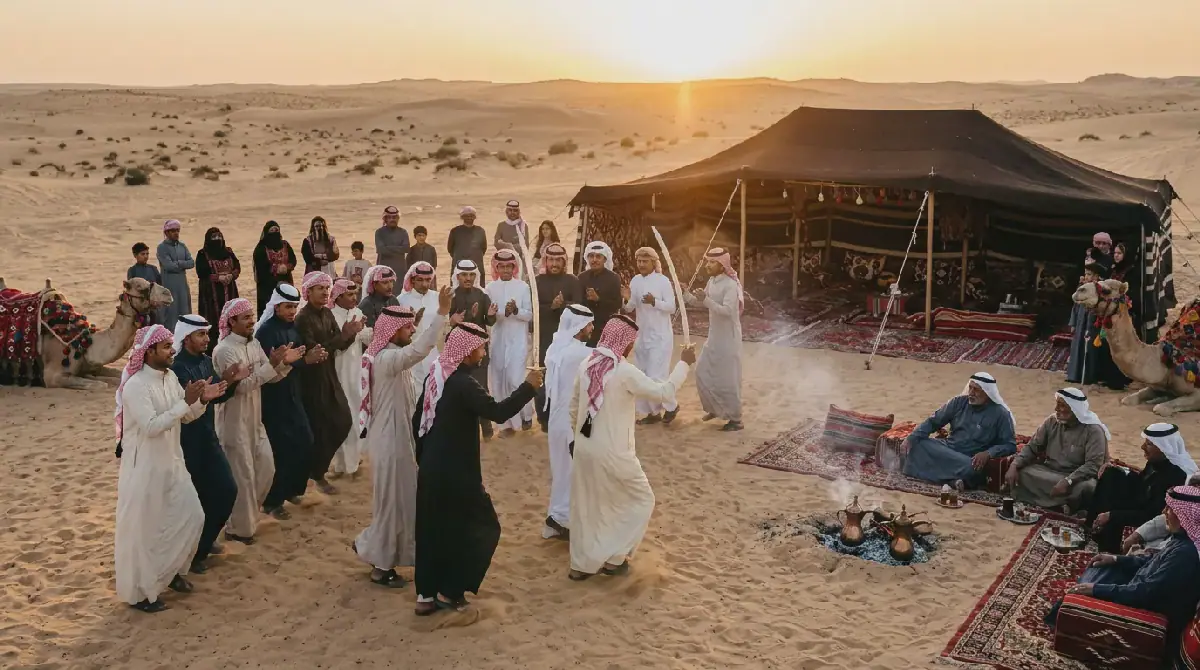
The celebrations began with the traditional "kitaab" ceremony, followed by the "laylat al-hinna" (henna night) and a grand feast. The festivities were marked by traditional music, dance, and poetry, including the Samer and Dakhla. The tribe's commitment to preserving their traditions was evident in the attention to detail and the participation of community members. The celebrations were a reflection of the tribe's values, including hospitality, generosity, and respect for elders.
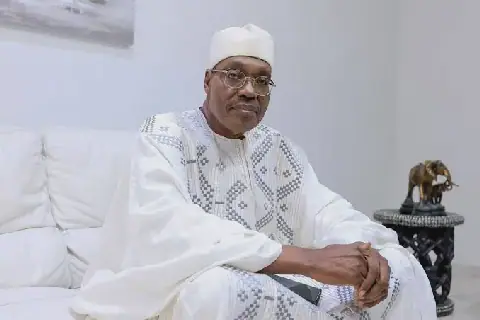
The wedding celebrations of the Bayouda tribe were attended by Egyptian MP Mousa Akirsh, who highlighted the significance of the event. He stated that the celebrations reflected the security and stability that North Sinai has witnessed, thanks to the efforts of the political leadership, the armed forces, and the civil police. The MP emphasized the importance of preserving traditional practices and cultural heritage.
The Bayouda tribe's wedding celebrations are characterized by a unique blend of traditional and modern elements. The festivities included a traditional procession, with men and women separated, and the distribution of traditional food and drinks. The celebrations also featured traditional music and dance, including the Dakhla and Samer. The tribe's women played a significant role in the celebrations, preparing traditional clothing and decorations.
The role of women in the Bayouda tribe's wedding celebrations was significant. They were responsible for preparing traditional clothing, decorations, and food. The women also played a key role in preserving the tribe's cultural heritage, passing down traditions and customs to younger generations. The celebrations highlighted the importance of women's participation in preserving cultural identity.
The Bayouda tribe's wedding celebrations also featured traditional poetry and music. The tribe's poets and musicians performed traditional songs and recited poetry, highlighting the tribe's history and cultural heritage. The celebrations were a testament to the tribe's rich cultural traditions and their commitment to preserving their heritage.
The Bayouda tribe's wedding celebrations have evolved over time, with some changes reflecting modernization and urbanization. However, the tribe remains committed to preserving its cultural heritage and traditional practices. The celebrations were a reflection of the tribe's resilience and determination to preserve their cultural identity in the face of change.
Key points
- The Bayouda tribe's wedding celebrations showcase their rich social and cultural heritage.
- The celebrations reflect the tribe's commitment to preserving traditional practices and cultural heritage.
- The role of women in the Bayouda tribe's wedding celebrations is significant, with women playing a key role in preserving cultural heritage.