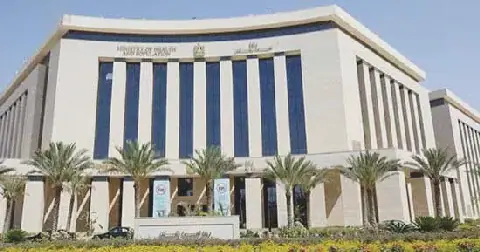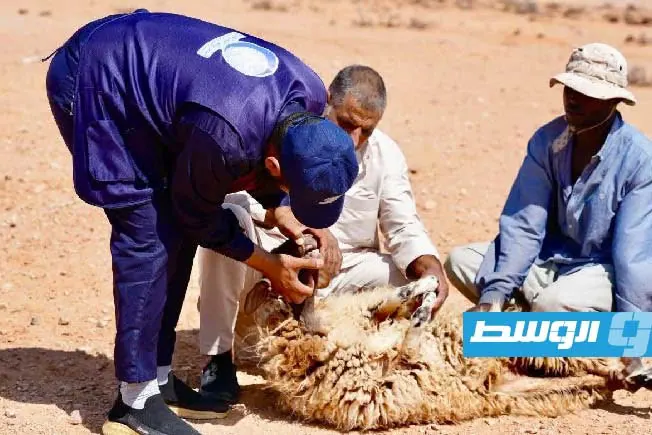
Libyan veterinary teams have started their work in Nisma and Mizda, areas severely affected by recent floods. The teams, part of the National Center for Animal Health, are focused on cleansing and disinfecting sites where dead animals have been found. This effort aims to prevent the spread of diseases and protect public health. The initiative is part of the Libyan Ministry of Agriculture and Animal Wealth's response to the disaster.
The Ministry of Agriculture and Animal Wealth, under the temporary unity government, confirmed that their veterinary teams are working around the clock. Their tasks include conducting health checks on livestock, providing necessary veterinary care, and implementing preventive vaccinations. These measures are crucial in protecting the animal wealth in the affected regions and preventing potential outbreaks of diseases.
In addition to providing immediate care, the teams are also assessing the damage caused by the floods and identifying the needs of affected animal owners. They are working to support these owners and provide necessary services to their livestock. The ongoing efforts aim to mitigate the impact of the floods on both human and animal populations in the region.
The floods have had a devastating impact on infrastructure and daily life in Libya. The situation in Nisma and Mizda is particularly challenging, with residents facing numerous difficulties. The Libyan government's response includes not only addressing the immediate needs of affected populations but also planning for long-term recovery and reconstruction.
The international community has been monitoring the situation closely and offering support. Various organizations and countries have pledged assistance to help Libya deal with the aftermath of the floods. This support includes humanitarian aid, financial assistance, and technical expertise to help rebuild affected areas.
The work of the veterinary teams is critical in preventing further health crises in the region. By controlling the spread of diseases and protecting animal health, these teams are contributing significantly to the overall relief efforts. Their work also highlights the importance of animal health in maintaining public health and well-being.
As the situation in Libya continues to evolve, the role of organizations and government agencies in providing support and relief is becoming increasingly important. The ongoing efforts to address the impact of the floods demonstrate a commitment to recovery and rebuilding. The situation remains a priority for both local and international stakeholders.
Key points
- Libyan veterinary teams are working to cleanse and disinfect areas affected by floods in Nisma and Mizda.
- The teams are providing health checks and vaccinations for livestock to prevent disease outbreaks.
- The efforts aim to protect public health and support affected animal owners in the region.