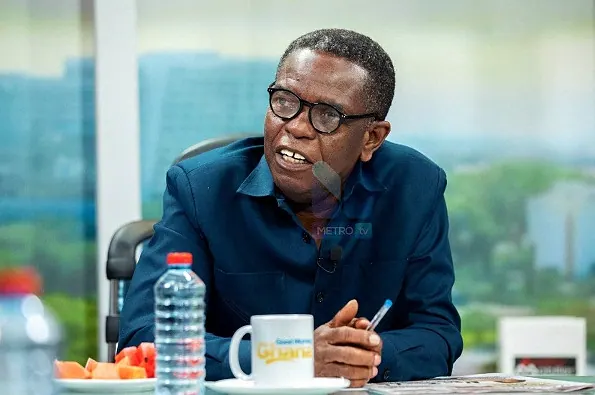
Veteran journalist Kwesi Pratt Jnr has criticized Ghanaian politicians for alleging the existence of secret cocaine laboratories in the country without providing proof. In a video shared on social media, Pratt described such allegations as "the height of irresponsibility" and warned that they could mislead the public and damage reputations. He questioned why politicians would make such serious allegations publicly instead of informing the relevant security agencies.
Pratt's comments were made in response to claims circulating that drug traffickers have set up secret facilities in Ghana and that some government officials may be involved in moving narcotics out of the country. He argued that making such allegations without evidence is a criminal offence and that the media must be more careful before amplifying rumours. Pratt also questioned why politicians who claim to have credible intelligence about cocaine laboratories would not simply hand that information to the relevant state security agencies.
The controversy surrounding cocaine trafficking in Ghana has been escalating since the seizure of a major cocaine shipment linked to the vessel Dunkirk. The case has drawn scrutiny to both security officials and political figures, with some politicians alleging that there are secret cocaine laboratories operating in the country. The Narcotics Control Commission (NACOC) has denied some of these claims, including allegations that a suspect arrested in connection with the Dunkirk shipment had ties to the presidential security detail.
Pratt's remarks add to a widening national debate about cocaine trafficking in Ghana and the role of politicians and security officials in addressing the issue. Journalist Manasseh Azure Awuni has also weighed in on the debate, pushing back against Majority Leader James Agalga's attempt to attribute blame for the current wave of drug trafficking to a 2018 policy decision. The debate has also spilled into Parliament, with allegations surfacing involving a Member of Parliament, Baffour Awuah, over a disputed GHS5 million deal.
The controversy touches on Ghana's international reputation and the credibility of its anti-narcotics institutions at a time when the country is under scrutiny following the Dunkirk seizure. Unverified public claims about cocaine production facilities risk fuelling public anxiety and complicating the work of security agencies trying to separate credible leads from rumour. Pratt's intervention underscores the stakes for ordinary Ghanaians, whose trust in both political leaders and the media hinges on the accuracy of information shared about the drug trade.
The sources reviewed do not indicate whether any government agency, including NACOC, plans to respond directly to Pratt's comments, nor is there a stated timeline for further investigation into the alleged cocaine laboratories. No parliamentary or judicial proceedings tied specifically to these unverified claims have been scheduled. The NACOC is the state body responsible for combating drug trafficking and abuse in Ghana.
The controversy highlights the need for careful consideration and verification of information before making public claims about sensitive issues like cocaine trafficking. It also underscores the importance of collaboration between politicians, security officials, and the media in addressing the issue. Key issues at stake include the credibility of Ghana's anti-narcotics institutions and the potential impact on the country's international reputation.
Key points
- Veteran journalist Kwesi Pratt criticizes Ghanaian politicians for making unverified claims about secret cocaine laboratories.
- The controversy surrounding cocaine trafficking in Ghana has sparked a national debate about the role of politicians and security officials in addressing the issue.
- The issue touches on Ghana's international reputation and the credibility of its anti-narcotics institutions.