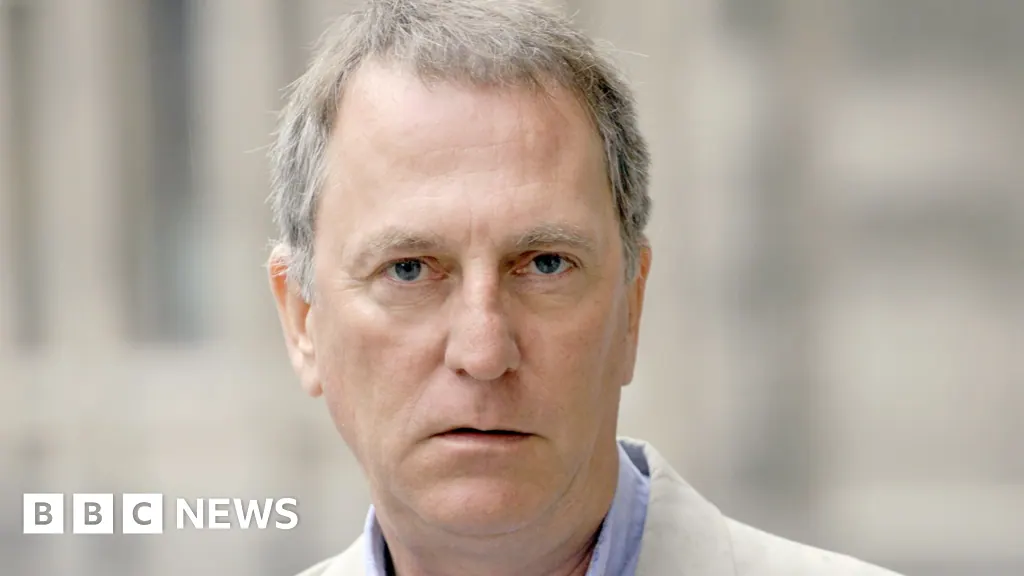
Renowned British journalist Mark Doyle, known for his fearless reporting on African conflicts in the 1990s and 2000s, has passed away at the age of 67 after a brief illness. Doyle joined the BBC in 1986 and went on to cover some of the most tumultuous events in Africa's recent history. His dedication to journalism earned him recognition from colleagues and leaders alike. Doyle's legacy is marked by his unwavering commitment to reporting from the front lines of conflict zones.
Doyle's career with the BBC spanned nearly three decades, during which he held various correspondent positions. He became the East Africa correspondent in 1993 and made a significant impact the following year while covering the Rwandan genocide. His reporting provided a firsthand account of the atrocities committed during that period. Doyle's work did not go unnoticed, as his coverage helped shape the international response to the crisis.
As the West Africa correspondent from 1997 to 2002, Doyle reported on Sierra Leone's brutal civil war and the aftermath of Liberia's conflict. His reporting on the situation in Sierra Leone was instrumental in convincing the UK government to intervene, ultimately saving thousands of lives. Sir David Richards, who led British forces in Sierra Leone in 2000, praised Doyle's work, highlighting its impact on the UK government's decision to take robust action.
Doyle's achievements were recognized through various awards and accolades. In 2004, he won first prize in the UN Correspondents Association/UN Foundation Awards for his coverage of post-war Liberia. His dedication to journalism and his ability to report from the most challenging environments earned him the respect of his peers and those he reported on. Colleagues and leaders have paid tribute to Doyle, describing him as a "legendary figure" and a "brilliant, brave, empathetic reporter".
Tributes have poured in from Doyle's former colleagues and those he worked with during his time at the BBC. Andrew Harding, who worked with Doyle, praised his former colleague, highlighting his bravery and commitment to reporting the truth. Fergal Keane, another prominent BBC correspondent, recalled their time together in Rwanda in 1994, where Doyle demonstrated exceptional courage and dedication to his work.
Doyle's impact on journalism is undeniable, and his legacy will continue to inspire future generations of journalists. He became the BBC World Affairs correspondent before retiring from the BBC in 2015. During his career, Doyle reported on some of the most significant events in Africa's recent history, providing a voice to those affected by conflict and turmoil.
The BBC and the wider journalism community will remember Doyle for his tireless commitment to reporting the truth, no matter the cost. His passing has been met with an outpouring of tributes, a testament to the impact he had on those who knew him and the countless lives he touched through his reporting. Doyle's story serves as a reminder of the importance of brave and dedicated journalism in shaping our understanding of the world.
Key points
- Mark Doyle died aged 67 after a short illness, leaving behind a legacy of fearless reporting on African conflicts.
- Doyle's coverage of the Rwandan genocide and Sierra Leone's civil war helped shape international responses and save lives.
- He was remembered by colleagues as a "legendary figure" and a "brilliant, brave, empathetic reporter".