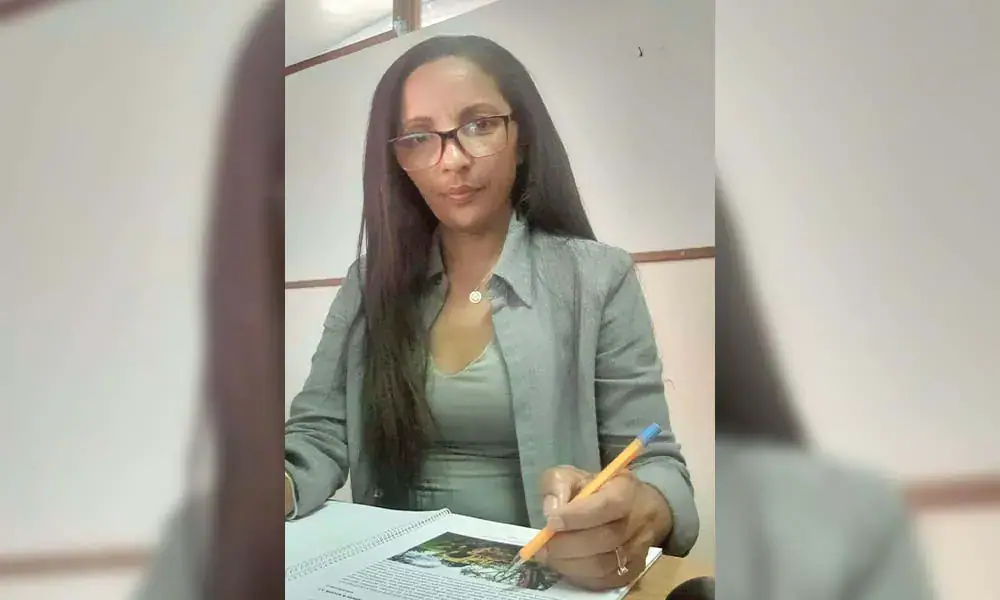
Verónica Pires, an engineer with nearly 30 years of teaching experience at the Universidade Jean Piaget de Cabo Verde (UniPiaget), has been appointed as the institution's new administrator-general. She aims to restore UniPiaget's position as a leading higher education institution in Cabo Verde and put an end to rumors of its potential closure. Pires, a civil engineer by training, has been with UniPiaget for about 18 years and is determined to drive change and growth.
The education sector in Cabo Verde has undergone significant changes in recent years, with increased competition and new labor market demands. UniPiaget, once the only private university in the country, now faces a highly competitive market. Pires sees this as an opportunity for growth, not an obstacle. She plans to focus on administrative efficiency, student-centered decision-making, and reducing bureaucracy to improve the academic experience.
One of Pires' first actions is to address the backlog of pending issues with faculty and staff. She aims to resolve these issues and improve communication within the institution. The new administration has initiated a restructuring of departments and imposed strict deadlines for document delivery and response to requests. Certificates and course letters will now be issued within 15 days of course completion, and other administrative requests will be responded to within five working days.
UniPiaget is also set to undergo digital transformation, with the development of the Piaget Digital platform. This platform will enable students to handle academic matters, track requests, and access information without needing to physically visit the campus. The platform is expected to be fully operational in the next academic year. Additionally, the university will modernize its laboratories to support scientific experimentation and research.
The institution will also focus on valorizing its human capital. Pires plans to improve working conditions, invest in continuous training for faculty and staff, and promote a culture of rigor and responsibility. She believes that every interaction with students, faculty, and staff contributes to the institution's reputation.
UniPiaget will also seek to strengthen ties with external partners, including businesses, municipalities, and other universities. The institution will prioritize internationalization, with a focus on academic mobility and cooperation agreements. A Portuguese university delegation is set to visit UniPiaget in the first semester, followed by a Brazilian institution in the second semester.
Verónica Pires concludes by calling on students, faculty, staff, and alumni to work together to promote UniPiaget's growth and affirm its position in Cabo Verde. With her extensive experience in engineering and education, Pires is well-positioned to drive the institution's transformation and growth.
Key points
- Verónica Pires' plan for UniPiaget includes reducing bureaucracy, modernizing laboratories, and internationalizing the institution.