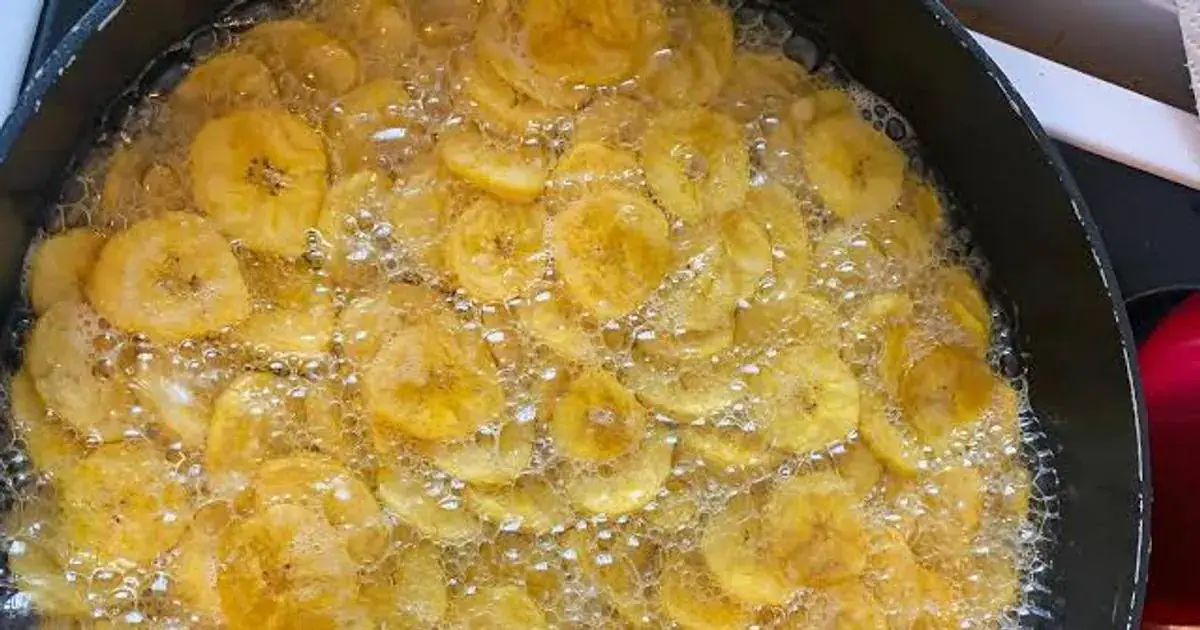
A fresh alarm has been raised in Nigeria over the alleged practice of vendors melting polyethylene nylon into hot oil to make plantain chips crispy. The claim involves vendors adding pieces of polyethylene to hot oil before frying sliced plantains, supposedly to make the chips harder, crunchier and less likely to break. This has brought renewed attention to food safety concerns that previously prompted an investigation by the National Agency for Food and Drug Administration and Control (NAFDAC).
The allegation is not new in Nigeria, as a similar claim went viral in January 2024, prompting warnings from consumer protection authorities and an investigation by NAFDAC. According to the account that circulated online at the time, a person claimed to have witnessed a woman add approximately five pieces of white polythene, locally called 'olonka rubber', into hot vegetable oil before grating plantains into it. The alleged seller reportedly explained that the practice helped make the chips firm enough not to break easily.
The 2024 social media post triggered widespread reactions, with consumers expressing concerns about the safety of plantain chips sold by roadside vendors and other food businesses. In response, Lagos consumer protection authorities warned residents about potentially unsafe plantain chips. The issue has reignited concerns about food safety in Nigeria, with many calling for stricter regulations and monitoring of food vendors.
This is not an isolated incident, as Ghanaian authorities also investigated a similar claim in March 2026. However, the Ghanaian Food and Drugs Authority (FDA) later stated that it had found no evidence supporting the claims. In contrast, NAFDAC launched an investigation in January 2024 after a similar allegation went viral, highlighting the ongoing concerns about food safety in West Africa.
The alleged practice of melting polyethylene nylon into hot oil has sparked fears about the potential health risks associated with consuming contaminated food. Polyethylene is a type of plastic that is not meant for human consumption, and ingesting it can cause a range of health problems. As a result, many are calling for increased vigilance and regulation of food vendors to prevent such practices.
A woman, who raised the alarm about the alleged practice, shared her concerns about the impact of contaminated food on public health. She emphasized the need for stricter regulations and monitoring of food vendors to prevent such practices. Her concerns have been echoed by many others, who are calling for action to be taken to protect consumers.
The incident highlights the need for continued monitoring and regulation of food vendors in Nigeria to prevent practices that could harm public health. Key points include:
Key points
- The alleged practice of melting polyethylene nylon into hot oil to make plantain chips crispy has reignited food safety fears in Nigeria.
- A similar allegation was investigated by NAFDAC in January 2024, and by Ghanaian authorities in March 2026.
- The incident highlights the need for stricter regulations and monitoring of food vendors to prevent practices that could harm public health.