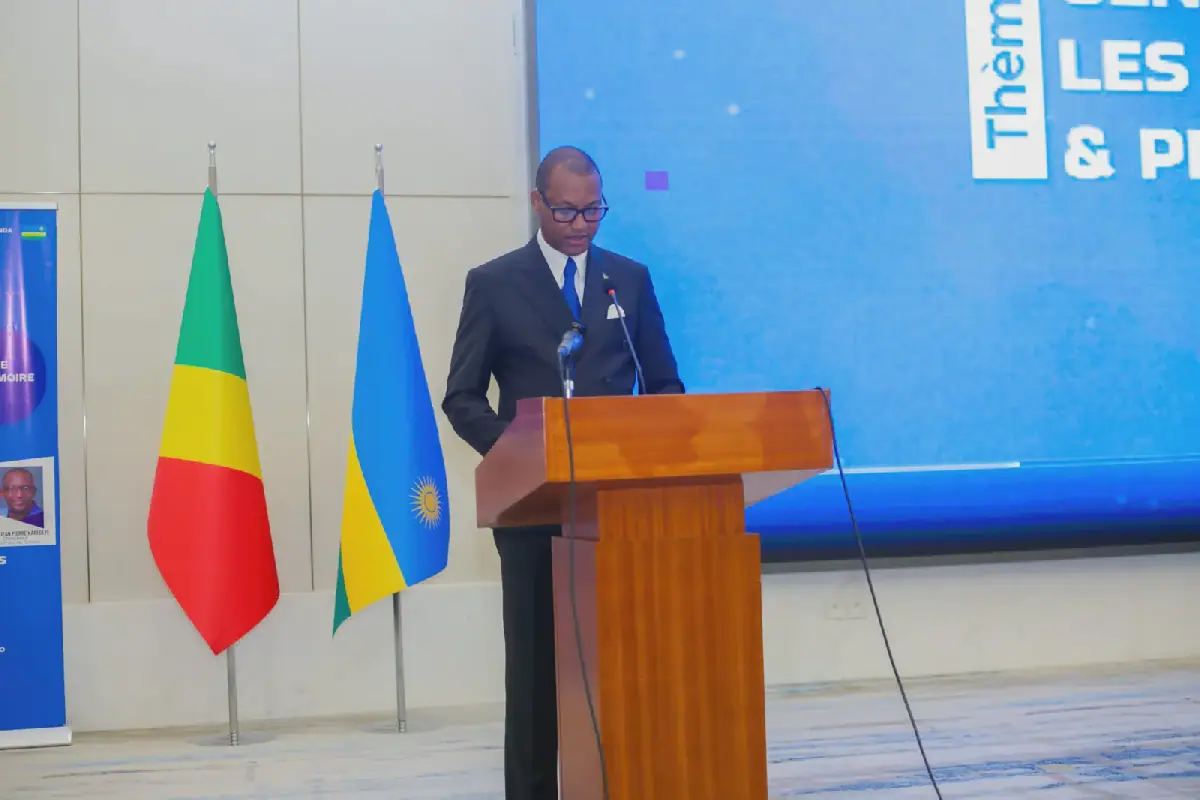
On October 30, 2023, Rwanda's Ambassador to the Republic of Congo, Parfait Busabizwa, reminded the international community that preventing genocide is a responsibility shared by all. Speaking at a seminar organized by the Rwandan Embassy in Congo, Busabizwa emphasized that the 1994 genocide against the Tutsi was not an accident, but a planned act of violence based on discrimination and hate speech.
The seminar, attended by over 400 people, including Rwandans living in Congo, diplomats, government officials, and university students, aimed to educate and raise awareness about the genocide and ways to prevent it from happening again. Busabizwa reviewed the history of the genocide, which resulted in the deaths of over a million Tutsis in just 100 days.
Busabizwa criticized the international community for not taking action despite receiving warnings and information about the impending genocide. He stressed the importance of justice in holding those responsible accountable and combating a culture of impunity. The ambassador also highlighted the need to use the correct terminology when referring to the genocide, saying that using terms like "civil war" or "war between two sides" distorts the truth.
The seminar featured presentations from several speakers, including Dr. Appolos D. Mebardoum from Chad, who shared his experience of finding Rwanda in 1995 while working for Médecins sans Frontières. A journalist from Jeune Afrique, Mehdi Ba, discussed the role of the media during the genocide and the importance of fact-based reporting.
Other speakers, including Prof. Jean-Pierre Karegeye and Dr. Samantha J. Lakin, discussed the role of experts during the genocide and the path to justice taken by Rwanda to hold those responsible accountable. They emphasized the importance of protecting the truth and preventing the spread of hate speech.
The seminar provided a platform for attendees to ask questions and discuss the role of individuals in preserving history, combating genocide ideology, and promoting peace, unity, and reconciliation. The event was held under the theme "The Genocide against the Tutsi: Responsibilities for Remembrance and Prevention."
In 2023, UNESCO's World Heritage Committee inscribed four genocide memorials in Rwanda, including Nyamata, Murambi, Gisozi, and Bisesero, on the World Heritage List. This recognition highlights the significance of these sites not only for Rwanda but for the entire world, serving as a lesson in preventing similar atrocities.
Key points
- The international community has a responsibility to prevent genocide.
- Using correct terminology when referring to the genocide is crucial in preserving history.
- Education and awareness are key in preventing genocide from happening again.