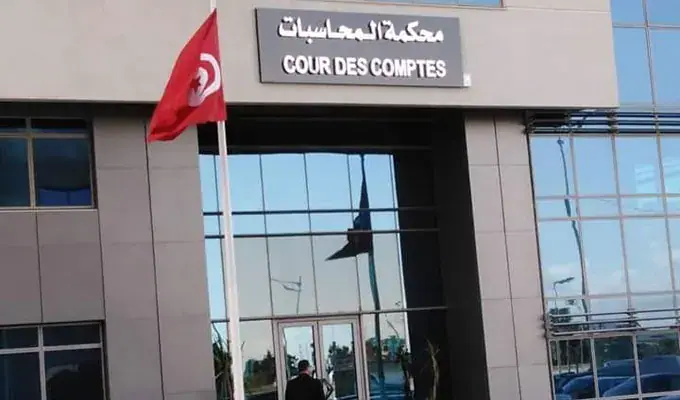
The Tunisian Court of Accounts has announced plans to extend its controls to stalled public projects in 2027. This move was revealed during the parliamentary examination of its 2027 budget. The goal is to optimize the use of public resources by addressing delays in project execution, identifying causes, and monitoring recommendations. This initiative highlights the importance of effective resource utilization in Tunisia's economic landscape.
The Court of Accounts' proposed budget for 2027 stands at 36.436 million dinars, representing a 2.45% increase from 2026. Approximately 80% of the allocated credits are dedicated to personnel expenses. These figures, presented to parliamentary committees on October 30, underscore the challenge of enhancing control capacities while continuing to modernize IT systems and improve management methods.
To improve its oversight, the Court of Accounts intends to develop a more objective-oriented and result-based budget management approach. A key focus area is the creation of an intelligent platform to detect blockages and delays in public projects. This technological advancement aims to streamline the identification of issues and facilitate prompt interventions.
The Court's extended oversight will specifically target stalled public projects, seeking to understand the causes of delays and formulate recommendations to prevent recurrence. This approach acknowledges that the economic impact of public investments extends beyond initial financing to include project timelines, credit mobilization, and administrative challenges that may hinder execution.
While enhanced oversight is crucial, the effectiveness of controls depends on the concerned organisms' consideration of the Court's recommendations. The Court's indicators show an increase in budget coverage by control missions from 25% to 27% and an improvement in the execution rate of recommendations from 65% to 75%. Additionally, the preparation time for the budget closure report is expected to decrease from twelve to eight months.
Despite these positive trends, clarifications are needed to distinguish between achieved results and performance objectives. The actual test of the Court's impact will be in the measurable administrative corrections and the successful resumption of stalled projects. The Court's ability to ensure that its recommendations are implemented will be crucial in assessing its effectiveness.
The Court of Accounts' initiative comes at a critical time for Tunisia's public investment landscape. With the proposed budget and planned enhancements, the institution aims to play a pivotal role in optimizing public resource utilization. The success of these efforts will depend on effective collaboration with other governmental bodies and the systematic follow-up on recommendations made.
Key points
- The Court of Accounts' 2027 budget is set at 36.436 million dinars, a 2.45% increase from 2026.
- The Court plans to increase its oversight of stalled public projects to improve the execution of public investments.
- The proposed budget allocates approximately 80% of its credits to personnel expenses.