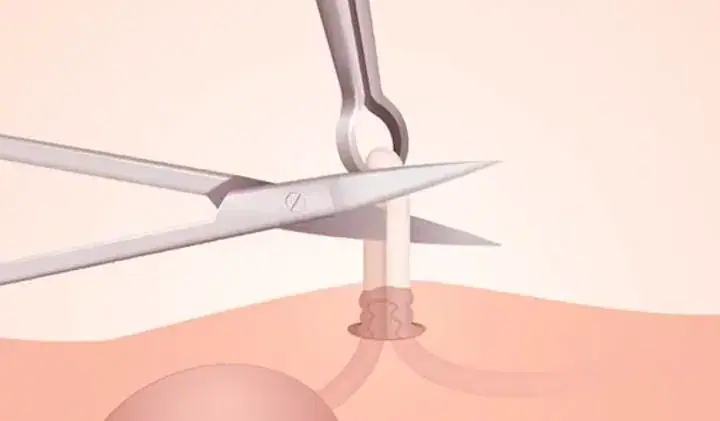
The debate on whether men should help their wives with family planning by undergoing vasectomy has sparked a national conversation in Ghana. While some men, like Jeff Otoo, a driver and father of two, believe that family planning should be a shared responsibility, others remain hesitant. Jeff says he would prefer to share the responsibility of family planning with his wife to reduce the burden, and he would choose vasectomy over condoms.
However, not all men share Jeff's views. Leonard, for instance, is hesitant about vasectomy because it is a permanent process. He believes that men should have options, but vasectomy is not one he is willing to consider. Albert, on the other hand, is open to vasectomy only if there are no side effects. He would rather weigh the disadvantages before making a decision and prefers using condoms.
Some women, like Patience, believe that men should share in the responsibility of family planning, especially given the side effects that some women experience with certain contraceptive methods. Patience explains that her cousin had fibroid due to obstructed menstrual flow after undergoing a certain contraceptive procedure. She thinks that if her husband were to undergo vasectomy, it would alleviate some of the health concerns.
Despite the benefits, the uptake of vasectomy in Ghana remains low. According to Dr. Doris Amarteifio, Programme Manager for the Family Planning Programme at the Ghana Health Service, only about 0.5% of men use vasectomy in Ghana. The Ghana Demographic and Health Survey and other studies conducted between 2006-2009 support this low figure.
Misconceptions about vasectomy are a major contributor to its low uptake. Senior Midwifery Nurse at Ridge Hospital, Abigail Amoako Baah Anwti, notes that men are often afraid of vasectomy because they think it will affect their ability to have an erection. However, Professor Matthew Kyei, a genitourinary surgeon at Korle Bu Teaching Hospital, explains that vasectomy does not affect semen volume, orgasm, or erectile dysfunction.
To increase the uptake of vasectomy, Dr. Amarteifio suggests addressing misconceptions, improving education, and making services more accessible to men. The Ghana Health Service is working to involve men in family planning units and antenatal care clinics, and they plan to involve men who have undergone vasectomy to challenge myths and misconceptions.
As calls grow for greater male involvement in family planning, the question remains whether increased education, awareness, and access will encourage more men to consider vasectomy. With the low prevalence of vasectomy in sub-Saharan Africa, it is essential to encourage men to take a more active role in family planning. United Nations estimates indicate that about 17 million women worldwide rely on their partners' vasectomies as a contraceptive method.
Key points
- Misconceptions about vasectomy are a significant barrier to its adoption in Ghana.
- The Ghana Health Service is working to increase education and accessibility to vasectomy services.
- Low vasectomy uptake is a broader issue in sub-Saharan Africa, with prevalence rates well below one percent.